

- India,
- 24-Mar-2026 12:18 PM IST


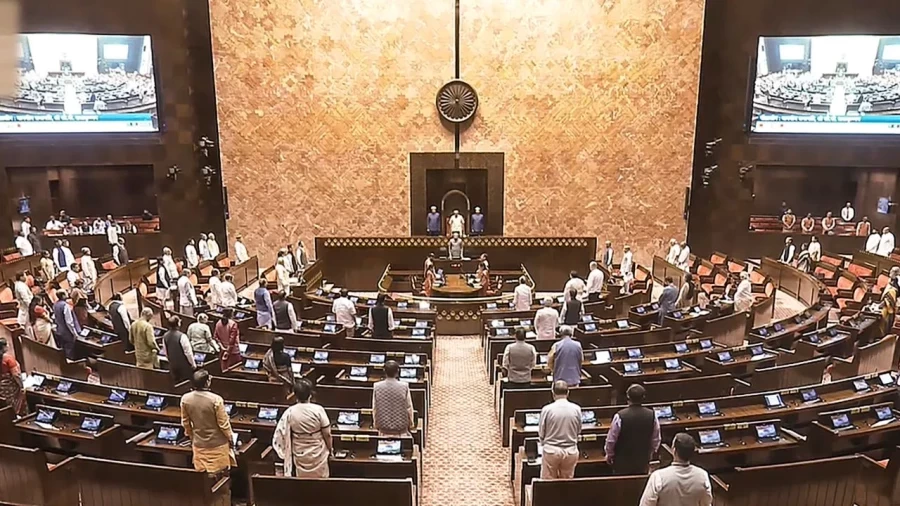
The introduction of the Central Armed Police Forces (General Administration) Bill, 2024, faced a significant stalemate in the Rajya Sabha on Monday. Following a coordinated protest and walkout by opposition parties, the government decided to postpone the bill's introduction. The primary objections centered around the timing of the bill's circulation and specific provisions regarding the deployment of IPS officers within the paramilitary forces. Home Minister Amit Shah has since engaged in discussions with opposition leaders to build a consensus on the matter.
Procedural Objections and Opposition Walkout
TMC MP Derek O'Brien spearheaded the opposition's challenge, raising a point of order regarding parliamentary procedures. He argued that according to established rules, a copy of any bill must be provided to members at least 48 hours before its introduction. The opposition alleged that the government bypassed this requirement in an attempt to rush the legislation. Following the protest, members from the Congress, Aam Aadmi Party (AAP), and CPI-M joined the walkout, emphasizing that complex laws affecting national security forces require thorough deliberation rather than hasty implementation.
Core Objectives of the CAPF Unification Bill
The proposed legislation seeks to bring five major Central Armed Police Forces under a unified administrative framework. These forces include the Central Reserve Police Force (CRPF), Border Security Force (BSF), Indo-Tibetan Border Police (ITBP), Sashastra Seema Bal (SSB), and the Central Industrial Security Force (CISF). According to government officials, the bill aims to standardize recruitment, promotion, and posting protocols across these organizations. Currently, each force operates under its own distinct set of rules, and the bill proposes a centralized structure to streamline general administration.
The IPS Deputation Controversy and Legal Context
A major point of contention in the bill is the provision related to the appointment of Indian Police Service (IPS) officers to senior positions within the CAPFs. This issue is linked to a Supreme Court ruling from October last year, where the court dismissed the Centre's plea to reconsider its earlier directives. The judiciary had previously instructed the government to reduce the reliance on IPS deputation in these forces and conduct a comprehensive cadre review within six months. However, the new bill reportedly contains provisions that could increase IPS appointments at higher levels, leading to friction with the forces' own cadre officers.
Government Response and Consensus Building Efforts
In response to the legislative deadlock, the government opted to defer the bill's introduction to address the concerns raised by the opposition. A senior minister stated that resolving these differences is essential for the smooth passage of the bill. Following the adjournment of the specific agenda item, Home Minister Amit Shah convened a meeting with representatives from various opposition parties, attended by Parliamentary Affairs Minister Kiren Rijiju. Simultaneously, Leader of Opposition Mallikarjun Kharge held consultations with senior leaders including Jairam Ramesh and Supriya Sule to formalize the opposition's stance on the proposed administrative changes.
