

- India,
- 23-Mar-2026 02:32 PM IST


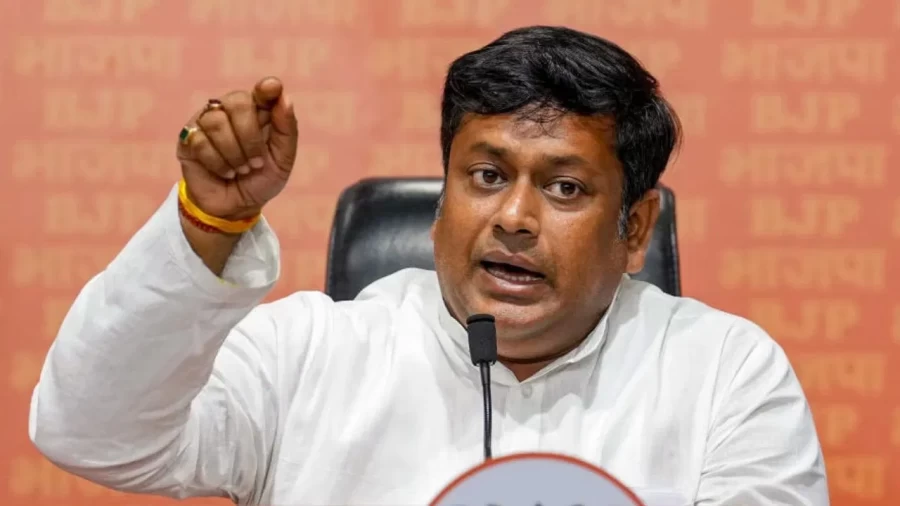
Union Minister Sukanta Majumdar has raised significant concerns regarding the shifting demographic landscape of West Bengal. He claimed that under the current Trinamool Congress (TMC) administration, demographic changes are occurring at an accelerated pace, which could lead to the Hindu community becoming a minority in several districts. According to Majumdar, this shift will eventually make it extremely difficult for candidates from the Hindu community to secure victories in future elections. Speaking to the media, the former BJP state president noted that the party has revised its campaign strategy following the 2021 assembly elections to better address these evolving challenges.
Demographic Concerns and Population Statistics
Majumdar highlighted that while a formal census has not been conducted recently, estimates suggest the Muslim population in the state is between 33% and 35%. He referenced previous statements by Chief Minister Mamata Banerjee regarding the community's share in the population, asserting that these numbers are likely to increase over the next five years. The minister claimed that such a demographic tilt would force political parties to prioritize Muslim candidates over Hindus for electoral tickets, while he further stated that demands for a Muslim Deputy Chief Minister are already being heard and predicted that a Muslim Chief Minister could become a reality in the future if these trends continue.
The 2026 Assembly Elections as a Turning Point
The Union Minister described the 2026 assembly elections as a decisive moment for the state's future. He claimed that if the TMC remains in power, the 2026 polls might be the last opportunity for Bengali Hindus to play a significant role in determining the state's political outcome. Majumdar emphasized that the BJP has shifted its focus toward a more 'Bengal-centric' approach, prioritizing booth-level organizational strength. A key part of this new strategy involves the 'Special Intensive Revision' (SIR) of voter lists to ensure they're free from discrepancies and illegal entries, which the party believes could Notably alter the electoral dynamics.
Historical Context and Border District Dynamics
Invoking historical events, Majumdar referred to the partition of India and the communal violence during the 'Great Calcutta Killings' to illustrate his points. The BJP has consistently alleged that demographic changes in West Bengal's border districts are transforming the state's political landscape. Majumdar pointed out that nearly one-third of the assembly seats in the state are heavily influenced by the Muslim community. He argued that if this community votes en bloc against the BJP, it poses a substantial electoral challenge that the party must counter through strategic mobilization and organizational reforms.
Political Representation and Future Outlook
According to Majumdar, the upcoming elections are about more than just political power; they're about the preservation of West Bengal's cultural and social identity. He stated that the party is banking on the consolidation of Bengali Hindu voters and a growing disillusionment with the ruling TMC. Majumdar asserted that the BJP is the only political force capable of addressing these demographic concerns and ensuring the state's security. The party's current efforts are directed at highlighting local issues and strengthening its grassroots presence to prepare for what they consider a high-stakes battle for the state's future direction.
