

- India,
- 31-Jan-2026 02:26 PM IST


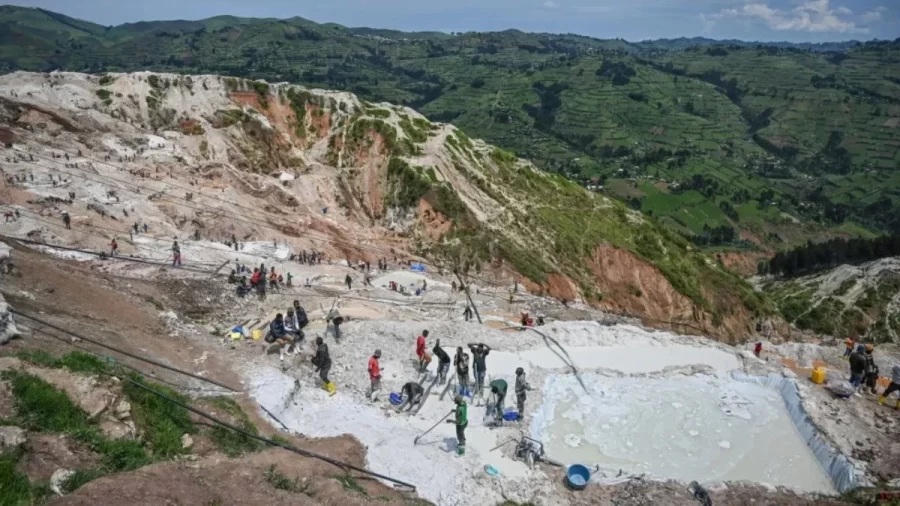
A catastrophic incident has struck the North Kivu province of Eastern Congo, where a massive landslide at the Rubaya coltan mining area has led to the collapse of several mines. At least 200 people are confirmed dead, with fears that the toll could rise Importantly as many remain trapped under the mud and debris. The scale of the disaster has shocked the international community, highlighting the perilous conditions of artisanal mining.
Devastation Caused by Heavy Rainfall
The disaster occurred on Wednesday following relentless heavy rains that triggered soil instability in the mining region. Lumumba Kambere Muyisa, a spokesperson for the governor appointed by the M23 rebel group, stated that the situation is dire, while search and rescue operations are ongoing, but the thick mud and continuous rain are making it extremely difficult to recover bodies. Many families are still waiting for news of their missing loved ones.
Casualties Include Women and Children
The victims of this tragedy aren't just the miners working deep underground. Reports indicate that women working in nearby markets and children who were in the vicinity were also swept away by the landslide. Around 20 survivors are currently receiving treatment at local health centers, with plans to evacuate the critically injured to Goma for advanced medical care. The emotional toll on the local community is immense as they grapple with the loss of so many lives.
The Strategic Importance of Rubaya Mines
The Rubaya mines are a critical source of coltan, accounting for nearly 15% of the world's supply. Coltan is an essential mineral used in the production of tantalum, a key component in smartphones, laptops, and high-tech electronics. Since April 2024, these mines have been under the control of the M23 rebel group, while most mining here is artisanal, involving manual labor in hazardous conditions for minimal daily wages, often without any safety gear or structural support.
Immediate Suspension of Mining Activities
In response to the tragedy, the local authorities have ordered a temporary halt to all small-scale mining activities in the area. Also, residents living in makeshift settlements near the mines have been ordered to relocate to safer ground to prevent further casualties. Eastern Congo has been plagued by decades of conflict between government forces and various armed groups, often fighting over the region's vast mineral wealth. This disaster underscores the urgent need for better safety regulations and humanitarian protection in conflict-affected mining zones.
