

- India,
- 11-Nov-2025 05:37 PM IST


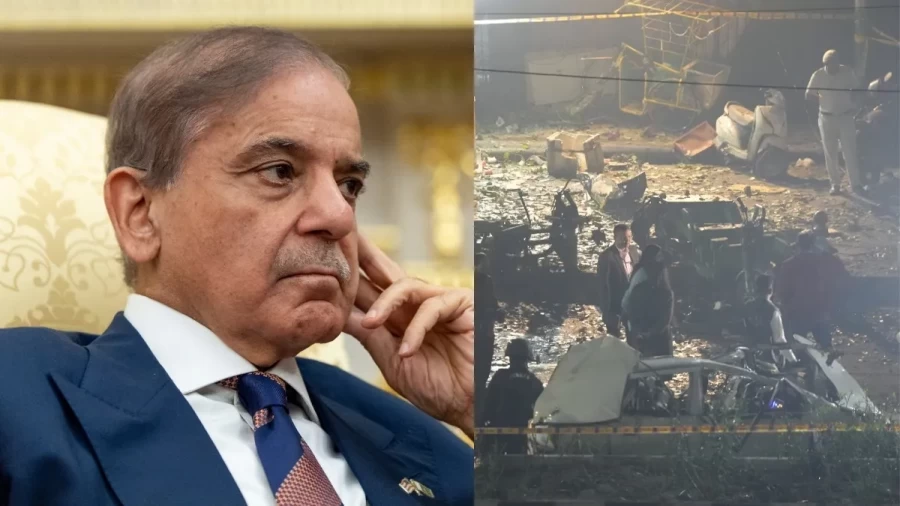
A blast near Delhi's Red Fort has triggered a wave of panic within Pakistan. The investigation into the Monday evening blast is ongoing, with agencies meticulously piecing together every clue. While the Indian government or any of its agencies have not directly named Pakistan yet, a sense of apprehension has already taken hold across the border. Pakistani TV channels have been reporting frantically since last night, attempting to convey that Pakistan has no role in the incident. Pakistani experts believe that the situation is deteriorating, and Pakistan fears a retaliatory action from India, especially if any evidence implicating Pakistan emerges during the investigation. Following the Delhi blast, there is a growing apprehension within Pakistan that India might take retaliatory action, while pakistani experts are continuously discussing the possibility that if Pakistan's name surfaces in connection with the blast, India won't remain silent. This fear is palpable across Pakistani media and political circles. They're consistently emphasizing Pakistan's non-involvement in the incident, which underscores their internal state of panic and defensive posture.
Pakistan Government is Scared: Arzoo Kazmi
Pakistani journalist Arzoo Kazmi has highlighted the fear gripping the Pakistani government in the aftermath of the Delhi blasts. According to Kazmi, the Pakistani government is currently in a state of dread, fearing that India will inevitably put Pakistan in the dock. Kazmi stated, "After the Delhi attack, matters appear to be worsening. While India has not openly stated anything yet, the investigation is ongoing, and. If any evidence or information is found, India might point fingers at Pakistan. What will Pakistan do then? Pakistan is already scared. The Pakistani government, the Pakistani state, is currently in fear that India might once again name Pakistan. The tensions between India and Pakistan, which we were trying and praying to reduce, seem to be escalating once again, and its impact will certainly be visible on the media of both sides. " This statement clearly reflects the genuine concerns prevalent within Pakistan.
Lack of Official Condolence Raises Questions
Arzoo Kazmi has also questioned Pakistan's Shahbaz government for its failure to express sorrow over the Delhi blasts so far. Kazmi pointed out that no official statement has been issued by the Pakistani government expressing regret over the attack in Delhi. She argued that in such a scenario, why shouldn't the needle of suspicion point towards Pakistan? Kazmi remarked, "No such statement has been issued by the government of Pakistan expressing regret. Pakistan's Prime Minister and the State of Pakistan should have immediately expressed sorrow over the Delhi attack via X or any other means, while until you convey that you aren't involved in such attacks and that you regret such incidents, it will certainly send a wrong message to the other side. Innocent lives have been lost, and Pakistan should officially send a message to India to show that we're with them and that we're also with them in stopping these things. But for now, let's see what statement comes from your side. " This silence could send a negative message to India and raise doubts about Pakistan's intentions.
Other Journalists Echo Concerns
Arzoo Kazmi isn't the only voice in Pakistani media expressing concerns, while another Pakistani journalist, Alia, commented that when an incident occurs in Pakistan, India is often blamed, so why shouldn't India blame Pakistan? She noted that this has been the pattern from both sides. Alia said, "I was seeing if Pakistan was responding to this or if Pakistani media was responding, and no, and obviously, spokespersons won't respond until the Indian government or authorities state that someone is involved in this. " Another Pakistani journalist, Sabir Shakir, also predicted that the blame for the Delhi blasts would fall on Pakistan. These statements reflect a deep-seated concern within Pakistan and their understanding of India's potential stance.
Why the Panic?
The reason behind the panic button being pressed in Pakistan after the Delhi blast is India's firm stance against terrorism. After the Pahalgam terror attack, India made it clear that no terror attack would be tolerated anymore. Any terror attack would be considered an attack on India itself and would be responded to in kind. This policy serves as a clear warning to Pakistan. This is why Pakistani media and experts alike are apprehensive. Prime Minister Narendra Modi today made it clear how serious the Indian government is about the Delhi blast. PM Modi stated that those who conspired the blast wouldn't be spared, while this statement adds another layer of concern for Pakistan, as they perceive India as resolute in its commitments.
Another Key Reason for Apprehension: Border Military Drills
Another significant reason for the widespread apprehension in Pakistan is the ongoing military preparations by India along the Pakistan border. Indian artillery is thundering, and aircraft are dropping bombs near the border. Exercise Trishul is currently underway from Jaisalmer to Sir Creek. As part of this operation, 'Maru Jwala' is taking place today, where tanks and Apache helicopters are practicing destroying enemy targets in the desert. Plus, 'Akhand Prahar' will involve highway landings and drone attacks tomorrow, while pakistan fears that Indian tanks are already positioned at the border and could cross into Pakistan at any moment. The timing and scale of these military exercises have become a serious concern for Pakistan, further intensifying their panic. This situation is escalating tensions between the two nations, creating an atmosphere of uncertainty in the region.
