

- India,
- 09-Dec-2025 02:02 PM IST


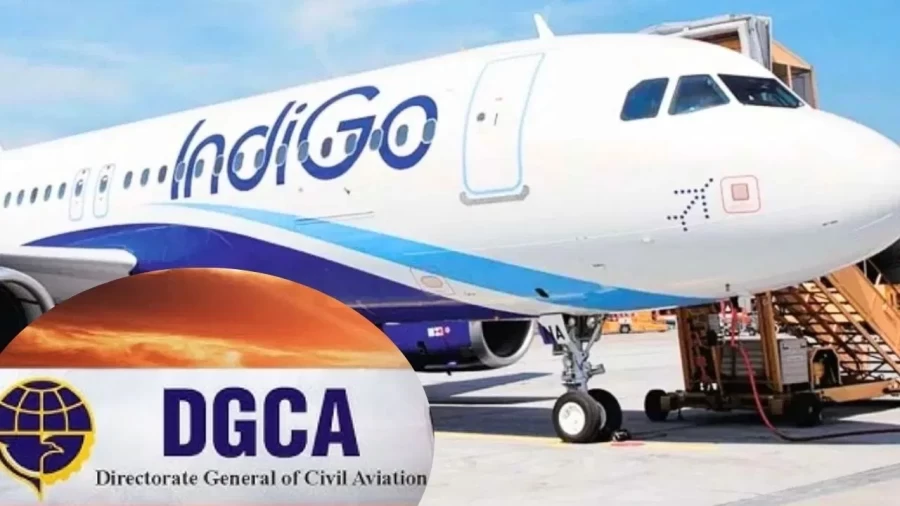
India's aviation sector is currently experiencing significant turbulence, with the spotlight firmly on IndiGo, the nation's largest airline. The Directorate General of Civil Aviation (DGCA) has taken an unprecedented and strict action against IndiGo, directing it to reduce its daily flight operations by 5%. This decisive move comes in the wake of widespread flight cancellations that began on December 2nd, leading to immense inconvenience and frustration for passengers across the country. The DGCA's step not only directly impacts IndiGo's operations but also sends a strong message to the entire aviation sector that the regulator won't tolerate disregard for passenger interests.
Genesis of the Crisis and Mounting Passenger Anger
IndiGo's flight cancellation spree commenced on December 2nd and has continued unabated, affecting thousands of travelers. Airports have been scenes of chaos, with stranded passengers expressing their anger over canceled or delayed flights, while this situation has raised serious questions about IndiGo's operational reliability. The DGCA, taking a grave view of the matter, found that IndiGo was consistently facing operational disruptions due to new Flight Duty Time Limitations (FDTL) rules and a shortage of crew. These issues rendered the airline incapable of operating its scheduled flights as planned, leading to widespread disruptions and passenger distress.
Details of DGCA's Stringent Action
The DGCA has issued clear instructions to IndiGo, stating that it must operate on a reduced schedule until its crew and operational stability are restored. This 5% reduction translates to approximately 110 of IndiGo's daily flights being canceled. According to official sources, the airline has been informed of this decision, and a list of specific flights to be curtailed is currently being prepared. This action will impose significant financial and operational pressure on IndiGo, but its primary objective is to alleviate passenger suffering and prevent similar situations in the future. The DGCA has also sought to ensure that other airlines fill the void created by IndiGo's reduced operations, thereby providing alternative travel options for passengers.
Measures for Immediate Passenger Relief
The DGCA's intervention extends beyond merely penalizing IndiGo; it has. Also implemented several crucial measures to provide immediate relief to passengers. The regulator intends for other airlines, such as Air India, Akasa Air, and SpiceJet, to absorb the capacity freed up by IndiGo's flight reductions. In this regard, Air India has already begun deploying wide-body planes on domestic routes to accommodate a larger number of passengers, while Plus, the DGCA has imposed fare caps to prevent airlines from arbitrarily hiking prices during this crisis. For distances up to 500 kilometers, the maximum fare has been capped at ₹7,500, and for longer distances like 1,000-1,500 kilometers, the maximum fare is set at ₹15,000, while this measure aims to protect passengers from exploitative pricing, which often occurs during periods of disruption.
IndiGo's Defense and DGCA's Investigation
In response to the DGCA's notice, IndiGo clarified its position, stating that the disruptions were a result of a confluence of multiple factors, while these included technical glitches, adverse weather conditions, airport congestion, changes in the winter schedule, and the implementation of new FDTL rules. The airline also indicated that it wasn't feasible to provide a comprehensive. Report within the short timeframe given and requested more time from the DGCA. However, the DGCA has not taken the matter lightly and has constituted a special four-member team. This team will conduct a thorough investigation into IndiGo's manpower plan, rostering procedures, and its preparedness for the new FDTL regulations. The objective of this inquiry is to ascertain whether the airline had. Made adequate preparations or if there was any negligence on its part.
Government's Stern Warning and Legal Implications
The government is also closely monitoring the entire situation. Union Civil Aviation Minister Ram Mohan Naidu stated in Parliament that the government isn't taking this matter lightly, and if IndiGo's negligence is proven, the accountable manager of the company could face severe consequences. These include imprisonment for up to three years or a fine of up to ₹1 crore, or both. The Supreme Court has also termed the situation a 'serious matter,' noting that over 5,000 flights have been canceled to date, affecting more than 6 lakh passengers. This indicates that the gravity of the issue is being recognized at both regulatory and judicial levels. The DGCA's action underscores the importance of regulatory oversight in the Indian aviation. Industry and ensures that airlines prioritize passenger safety and convenience above all else.
