
- India,
- 25-Jul-2026 07:09 PM IST



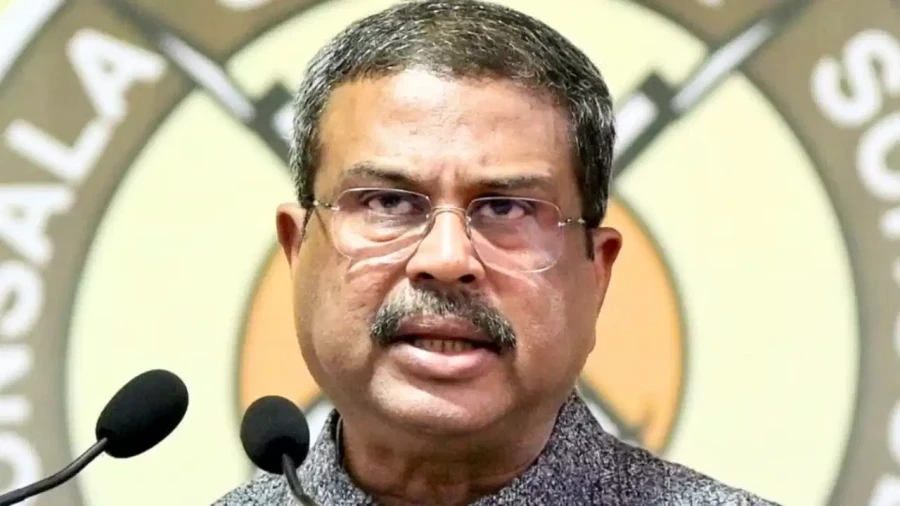
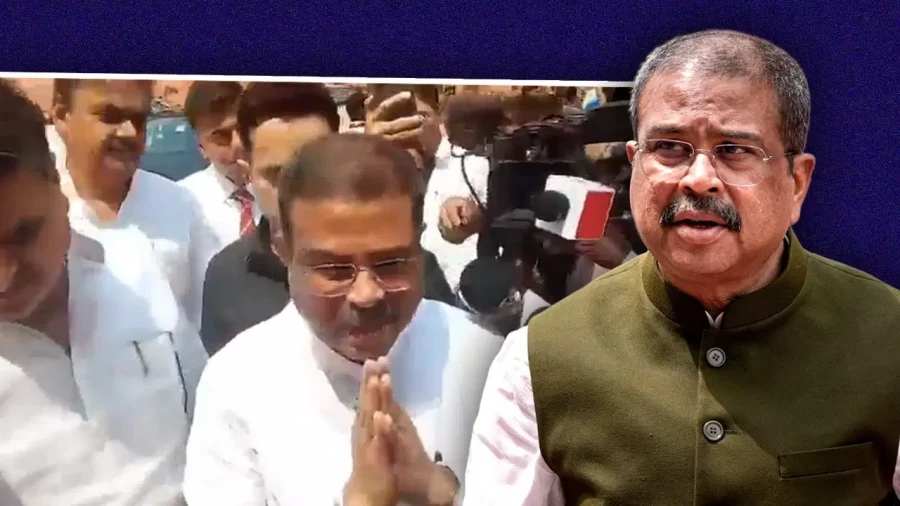
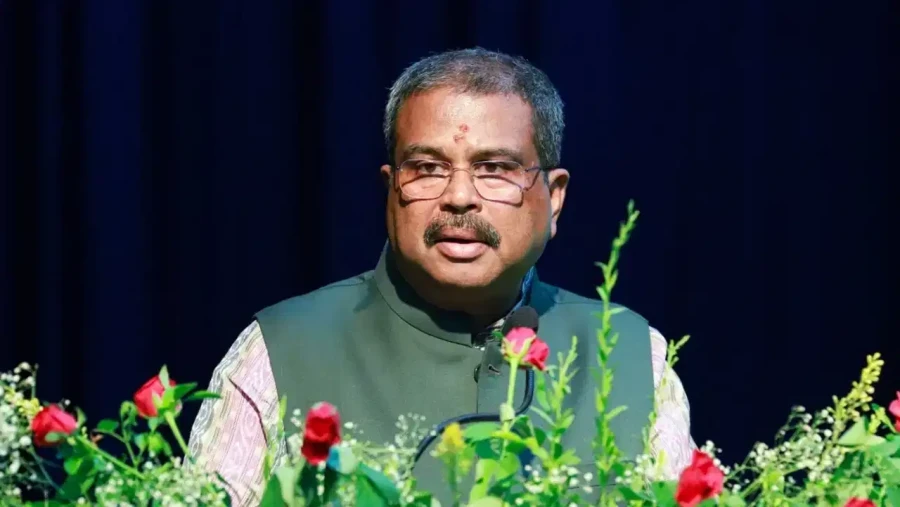
Union Education Minister Dharmendra Pradhan has officially resigned from his position following a period of intense scrutiny and mounting pressure. His departure comes in the wake of the nationwide NEET paper leak scandal, which has sparked significant political and social unrest across the country. Pradhan, who served in this role for a total of 5 years and 18 days, stated that he had been taking moral responsibility for the situation since the very first day the discrepancies came to light. The resignation follows weeks of demonstrations led by the CJP, with students taking to the streets for over a month to demand accountability, while Also, the movement gained momentum when renowned social activist Sonam Wangchuk observed a fast in support of the aggrieved students. Pradhan's tenure was a complex mix of transformative educational reforms and severe administrative challenges that tested the government's resolve.
Major Achievements Under Dharmendra Pradhan
During his time at the helm of the Ministry of Education, several far-reaching changes were introduced to the Indian education system. One of the most significant milestones was the implementation of the Common University Entrance Test (CUET-UG). This initiative was designed to standardize the admission process for undergraduate programs across central and other prominent universities, ensuring a transparent and merit-based system for students nationwide.
Another key achievement was the expansion of educational resources under the National Education Policy (NEP 2020). New NCERT textbooks were developed to align with the updated curriculum, while to address the shortage and accessibility of study materials, the printing capacity for these books was increased by three times. This strategic move not only ensured availability but also led to a reduction in prices, providing much-needed financial relief to parents and guardians across the country.
In a bid to internationalize Indian higher education, Pradhan's administration granted approval to 19 foreign universities to establish their campuses within India. This move, rooted in the objectives of NEP 2020, aimed to provide Indian students with global educational standards without having to leave the country. On top of that, the 'Viksit Bharat Shiksha Adhishthan Bill 2025' was introduced to streamline the regulatory framework. This bill proposed the creation of a single regulator by merging existing bodies such as the UGC, AICTE, and NCTE, thereby simplifying the governance of higher education.
The tenure also saw a strong emphasis on structural reforms within the higher education system. Under NEP 2020, the ministry pushed for the implementation of the Multiple Entry-Exit System, the Academic Bank of Credits (ABC), and the Four-Year Undergraduate Programme (FYUP). These changes were aimed at providing students with greater flexibility and promoting skill-based, digital learning environments in universities.
Controversies and Challenges
Despite these advancements, Pradhan's term was marred by significant controversies that raised concerns about the integrity of national examinations. The NEET-UG 2024 examination became a focal point of criticism due to allegations of paper leaks and other irregularities. The matter eventually reached the Supreme Court, where the functioning of the National Testing Agency (NTA) and the overall examination process faced severe questioning.
The crisis deepened with reports of paper leaks in other major exams like NEET-UG 2026, which directly impacted the future of millions of candidates. This led to widespread public anger and protests, as parents and students expressed their frustration over the repeated failures in the examination system. The administrative lapses in these high-stakes tests became a primary reason for the political pressure that eventually led to the minister's resignation.
Technical issues also surfaced in the school education sector. The introduction of the On-Screen Marking (OSM) system for CBSE Class 12 examinations faced backlash due to technical glitches and blurred digital copies of answer sheets, which cast doubt on the accuracy of the evaluation process. On top of that, the implementation of the Three-Language Formula for Class 9 met with stiff resistance from several non-Hindi speaking states, most notably Tamil Nadu, where the central government was accused of attempting to impose Hindi.
Finally, the introduction of the UGC Equity Regulations 2026, intended to promote equality in higher education institutions, faced extensive opposition from various academic and social circles. These controversies, combined with the examination scandals, defined the latter half of Dharmendra Pradhan's tenure, making it a subject of intense debate in the Indian educational landscape.