

- India,
- 24-Mar-2026 09:25 AM IST


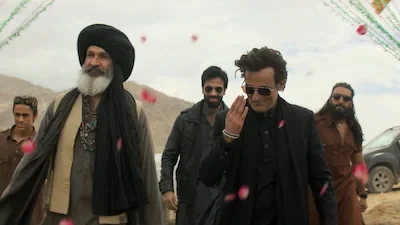
Director Aditya Dhar's latest cinematic offering, 'Dhurandhar 2', is setting new benchmarks in the Indian film industry. The film has recorded a massive opening weekend, collecting over ₹500 crore globally. Starring Ranveer Singh, the movie is being widely discussed not just for its intense action and storyline, but for its unconventional use of music. A significant part of the film's success is being credited to Aditya Dhar's strategy of prioritizing remixes of superhit songs from the 1980s and 1990s over original compositions.
Historical Success and Box Office Records of Dhurandhar 2
According to trade reports, 'Dhurandhar 2' has become the first Hindi film to earn a net profit of over ₹100 crore in a single day. This follows the massive success of the first installment, 'Dhurandhar', which grossed over ₹1200 crore worldwide last December. The film is set against the backdrop of 1980s Pakistan, specifically the Lyari gang wars in Karachi and themes of terrorism. Ranveer Singh's portrayal and the dark, gritty atmosphere have resonated strongly with the youth, leading to one of the biggest worldwide opening weekends in history.
Strategic Focus on Remixes Over Original Songs
5 hours. Despite such a lengthy presentation, director Aditya Dhar chose to keep original songs to a minimum. While the first part featured a few original tracks like 'Ghera Hua' and 'Shararat', it relied heavily on remixes of classics such as 'Na To Karwan Ki Talash Hai' and 'Rambha Ho Ho'. In 'Dhurandhar 2', this strategy is even more pronounced, with music director Shashwat Sachdev crafting high-energy versions of 'Aari Aari', 'Baazigar O Baazigar', 'Tirchi Topi Wale', and 'Tamma Tamma Loge'.
Using Music to Soften and Entertain During Violence
There is a profound creative reasoning behind Aditya Dhar's reliance on remixes, while the film features extensive and brutal violence along with long action sequences. The director utilized high-range westernized remixes specifically during these scenes to balance the intensity. While it's uncommon in global cinema to pair brutal violence with such upbeat music, Dhar, along with action director Aejaz Gulab, aimed to make these sequences 'digestible' and entertaining. The energy of the remix tracks ensures that the audience remains engaged without being overwhelmed by the graphic nature of the action.
Creative Collaboration with Shashwat Sachdev and Aejaz Gulab
The technical prowess of the film is a result of the synergy between music director Shashwat Sachdev and action director Aejaz Gulab. Dhar reportedly gave Gulab full freedom to film the most brutal action sequences possible, while the responsibility to make them palatable fell on the music, while sachdev reimagined old classics with modern beats that perfectly sync with the pace of the action. This combination has proven successful in maintaining audience interest throughout the film's long duration, turning violent spectacles into a form of high-energy entertainment.
Cinematic Legacy and Modern Presentation
The concept of pairing music with violence isn't entirely new to Indian cinema, but Aditya Dhar has given it a modern twist. The director drew inspiration from classic films like 'Sholay', where Basanti dances before Gabbar Singh, or 'Mera Gaon Mera Desh', where musical performances occur amidst life-threatening situations. Dhar has taken this traditional formula and updated it with remixes to suit contemporary sensibilities. This approach has not only maintained the thrill level but has also provided a unique cinematic experience that has contributed to the film's super-success.
