

- India,
- 10-Mar-2026 06:03 PM IST


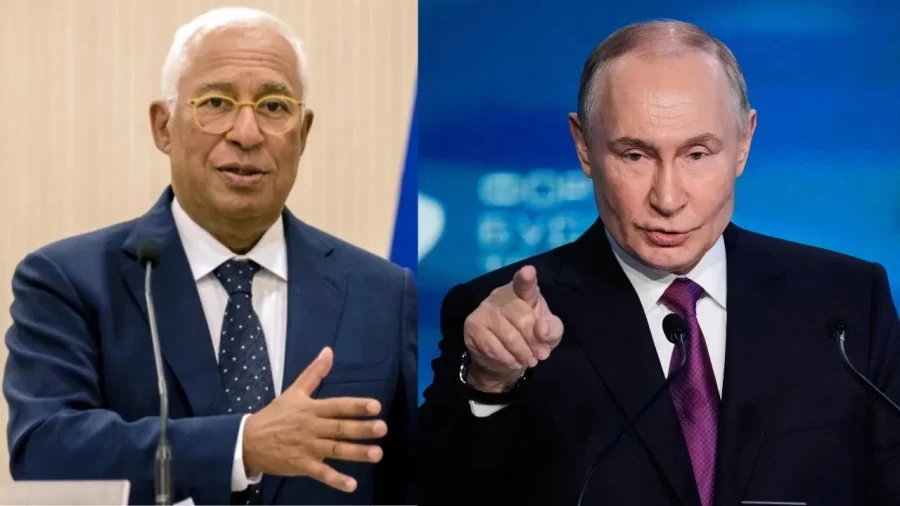
European Council President António Costa, while addressing EU ambassadors in Brussels, stated that Russia has emerged as the primary winner of the ongoing conflict in the Middle East. According to Costa, the geopolitical and economic shifts resulting from this war are directly serving Moscow's interests. He emphasized that the diversion of international attention from Ukraine to the Middle East represents a significant strategic advantage for Russia, allowing it to consolidate its position in the Eastern European theater.
Economic Gains Through Rising Global Energy Prices
António Costa highlighted that the escalation of tension and warfare in the Middle East has triggered volatility in the global oil and gas markets. Russia, being one of the world's leading energy exporters, is reaping direct financial rewards from the surge in crude oil and natural gas prices. According to Costa, the additional revenue generated from these high energy prices provides Russia with the necessary financial liquidity to sustain its military operations against Ukraine. This economic windfall also assists Moscow in mitigating the impact of Western sanctions.
Diversion of Military Resources and Strategic Support
The President of the European Council expressed serious concern regarding the redistribution of military resources. He noted that as the crisis in the Middle East deepens, the military focus and resources of many Western nations and international allies are being redirected toward that region, while according to Costa, a portion of the weaponry, military hardware, and strategic support that could have been allocated to Ukraine is now being utilized to maintain stability or manage conflicts in the Middle East. This situation indirectly affects Ukraine's defensive capabilities and provides Russia with an opportunity to gain ground.
Shift in Global Political and Media Attention
Costa placed particular emphasis on how the Middle East war has altered the center of international media and political discourse. For several months, the war in Ukraine was the primary subject of global discussion, but recent developments in the Middle East have overshadowed it. According to Costa, when global focus shifts from one major crisis to another, countries like Russia gain the freedom to implement their strategies without intense international scrutiny. He warned that this distraction of global attention could create long-term challenges for Ukraine's diplomatic efforts.
Impact of International Sanctions and Oil Market Dynamics
S. President Donald Trump have also caused ripples in international markets, while trump indicated that the United States is considering lifting oil sanctions on certain countries in an effort to lower global crude prices. While he didn't specify which nations would be affected, reports suggest that potential easing of sanctions on Russia is under consideration. According to Costa, any move that facilitates Russia's access to energy markets would further strengthen its economy, which ultimately poses a concern for European security frameworks.
Implications for European and Global Security Frameworks
António Costa concluded by clarifying that the conflicts in the Middle East and Ukraine are interconnected through their impact on global stability, while he stated that if the situation in the Middle East deteriorates further, the consequences will be felt not only in that region but also across Europe and the global security architecture. Costa urged ambassadors to recognize the gravity of the situation and ensure that international support for Ukraine remains consistent. He stressed the necessity for all parties to return to diplomatic channels and dialogue to preserve global order.
