

- India,
- 11-Mar-2026 10:07 AM IST


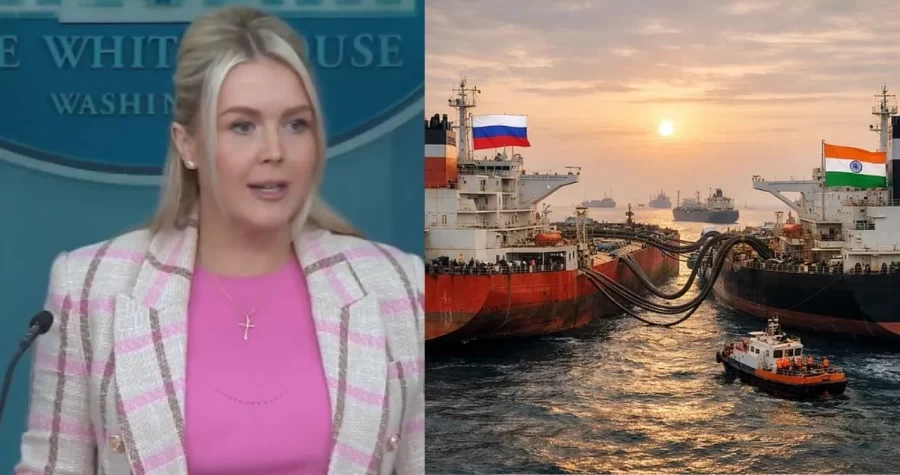
The United States has officially granted India a 30-day temporary waiver to continue its purchase of Russian crude oil. White House Press Secretary Karoline Leavitt confirmed the development, stating that the decision was made to ensure stability in the global energy markets. This move comes against the backdrop of escalating tensions in the Middle East, which have raised concerns regarding potential disruptions in the international oil supply chain.
Strategic Rationale Behind the Temporary Waiver
According to Press Secretary Karoline Leavitt, the waiver was approved following extensive consultations between President Donald Trump, Treasury Secretary Scott Bessent, and the National Security team. The administration emphasized that the primary objective is to maintain a steady flow of oil globally. S. to take this short-term special measure to provide relief during a volatile period for energy markets.
India's Compliance and 'Good Actor' Status
The White House has lauded India's historical compliance with international sanctions and its cooperative stance. Leavitt described India as a "good actor," noting that the country has previously adhered to requests regarding the reduction of Russian oil imports. The administration highlighted that India's willingness to follow established protocols in the past played a significant role in the decision to grant this temporary exemption, while this recognition underscores the strategic partnership between the two nations despite complex geopolitical challenges.
Impact on Global Oil Supply and Market Stability
The temporary waiver is specifically designed to address the supply gap caused by the ongoing conflict involving Iran and other regional instabilities in the Middle East. S. aims to prevent a sharp spike in global oil prices, while leavitt stated that the administration is working diligently to fix disruptions in the global oil markets, and this waiver serves as a tactical tool to ensure that energy requirements are met without causing economic shocks.
Financial Implications for the Russian Government
Addressing concerns about the financial benefits to Moscow, the White House stated that the waiver wouldn't provide a significant windfall for the Russian government. Leavitt explained that much of the Russian oil destined for India was already in transit at sea. S. administration maintains that the limited nature of this 30-day window ensures that the Russian government doesn't gain substantial new revenue, thereby maintaining the broader objective of restricting Russia's financial resources while protecting global consumers.
Coordination Within the Trump Administration
Earlier this month, Treasury Secretary Scott Bessent had indicated that such a move was under consideration due to the supply crisis triggered by Middle East conflicts, while bessent noted that India had been proactive in seeking alternatives, including American oil, but the immediate gap in global supply necessitated this temporary adjustment. The coordinated effort between the Treasury, the White House, and National Security officials reflects a unified approach to managing energy security and diplomatic relations simultaneously.
#WATCH | White House Press Secretary Karoline Leavitt says, "...The President and the Secretary of the Treasury and the whole national security team came to this decision because our allies in India have been good actors and have previously stopped buying sanctioned Russian oil.… https://t.co/1BALpbnfV6 pic.twitter.com/vv20AQT0Zl
— ANI (@ANI) March 10, 2026
