

- India,
- 28-Apr-2026 09:46 AM IST


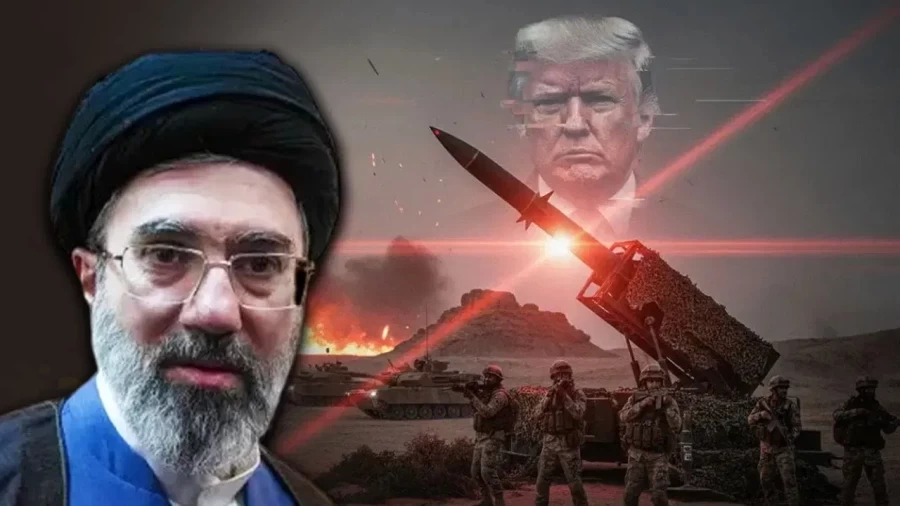
The discovery of unexploded US bunker buster bombs in Iran has Importantly escalated geopolitical tensions. Iran is reportedly planning to conduct reverse engineering on these weapons to decode advanced American military technology, which could drastically strengthen its defense systems. A major concern arises from the China-Iran alliance, as Iran might share these technological secrets with Beijing. This collaboration could allow China to develop an impenetrable shield against US forces, leading to a substantial strategic disadvantage for the United States. The attack on Iran is proving to be a strategic and diplomatic mistake for President Donald Trump, who seems caught in his own tactical maneuvers. While some effects are speculative, Iran's claims suggest that Trump's decision to initiate conflict has created a crisis for the US military and its research teams.
Technical Specifications of the Captured Weapons
Iran's Strategy for Nuclear Site Protection
Iran intends to use the data gathered from these bombs to build a defensive shield for its nuclear facilities. By analyzing the bomb's penetration capabilities, Iran plans to reinforce its nuclear centers with layers of concrete and iron, ensuring that such bombs get stuck before reaching the core. The goal is to keep nuclear centers safe at a depth of 100 meters, ensuring that uranium enrichment halls remain operational. Even after a direct hit from a large bomb, ventilation shafts are expected to function normally, and the enriched uranium stored in the main halls will remain protected. The crisis for the US isn't just Iran building a shield, but the potential for Iran to manufacture similar lethal weaponry.
Reverse Engineering and Regional Security Risks
The captured weapons represent decades of research by American scientists and aren't merely pieces of metal. If Iran successfully reverse-engineers the GBU-57 bunker buster, it will understand the exact depth the bomb can penetrate and the types of metals it can cut through. This knowledge will allow Iran to fortify its defense mechanisms and potentially manufacture its own bunker busters, while such a development poses a direct threat to US and Israeli underground bases across the Middle East, shifting the military balance in the region and allowing Iran to take lethal revenge.
The China-Iran Military Alliance and Technology Transfer
Under a secret defense agreement, China supplies Iran with HQ-16 and HQ-17AE missile batteries. Iran also sources drone components and ready-to-use suicide drones from China. Plus, China provides hypersonic missile technology and the necessary chemicals for these missiles. In exchange, Iran supplies oil to China and promotes trade in Yuan. There is a high probability that Iran will now hand over the unexploded US weapons or their blueprints to China as part of this strategic partnership to repay favors during the conflict.
The most terrifying aspect of these unexploded weapons is China's involvement, while diplomatic experts believe that Iran could hand over the GBU-57 bomb and blueprints of American cruise missiles to Beijing. If this happens, US military secrets will reach Beijing directly, allowing China to create an impenetrable shield. President Donald Trump stated that he thinks China might be helping but doesn't think much of it, adding that China could have been worse. Trump is scheduled to meet Xi Jinping in Beijing on May 14-15. While a ceasefire atmosphere is being promoted, the real conflict may just be beginning within the laboratories of Iran and China.
