

- India,
- 28-Apr-2026 10:55 AM IST


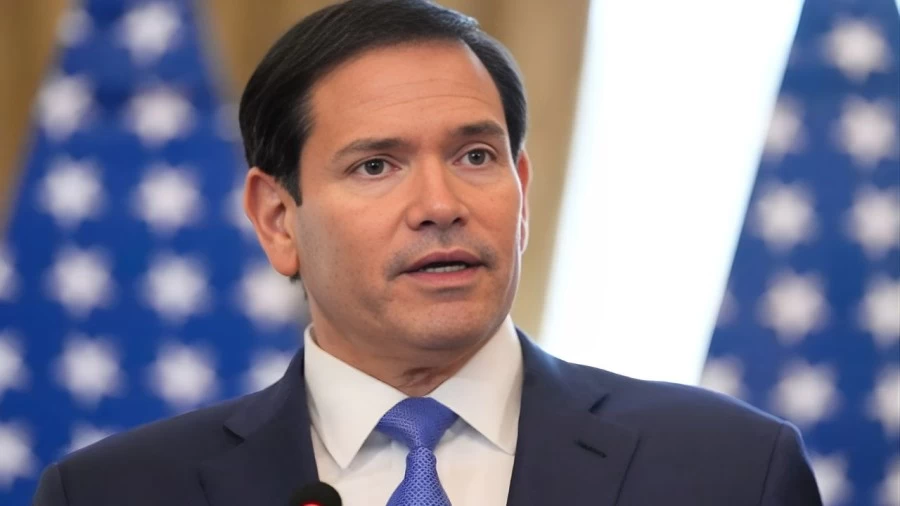
Tensions between the United States and Iran over the Strait of Hormuz continue to escalate as negotiations between the two nations consistently fail, impacting the global market. In this context, the United States has strictly rejected Iran's new proposal regarding the Strait of Hormuz. US Secretary of State Marco Rubio issued a statement clarifying that the proposal, with Iran's attached conditions, isn't acceptable in any way. He stated that Iran is attempting to keep this international waterway under its control, which goes against global regulations.
Marco Rubio Criticizes Iran's Proposal
The Strait of Hormuz is one of the world's most critical maritime routes, through which a significant amount of crude oil passes. Iran proposed that if the US lifts sanctions and ends military actions, it could loosen its grip on this route. However, Marco Rubio criticized this proposal, stating that Iran claims the path is open, but the condition is to seek their permission first, or there will be an attack, while he emphasized that this doesn't constitute openness. Rubio further added that control by a single country over an international waterway can't be accepted. According to him, these are international waters, and the US can't accept Iran deciding who uses them.
Trump Convenes Meeting with Top Security Advisors
Amidst these developments, US President Donald Trump held a meeting with his top security advisors. According to the White House, the meeting involved discussions on Iran's proposal and potential strategic options. White House spokesperson Karoline Leavitt confirmed that the proposal is being considered, but she didn't clarify whether the US would accept it. She stated that the President's 'red lines' have been clearly communicated to Iran. Media reports suggest that this proposal doesn't meet the primary conditions of the United States and leaves issues related to the nuclear program unresolved.
Impact on Global Economy and Energy Security
This confrontation between Iran and the United States isn't merely regional but could also affect the global economy. Any tension in the Strait of Hormuz directly impacts oil prices and international trade. Experts believe that while dialogue between the two countries is necessary, a compromise doesn't seem easy in the current situation, while if tensions rise, it could pose a major threat to the global market and energy security.
According to experts, the proposal has failed to meet key US conditions, leaving nuclear program issues unresolved. Given the current circumstances and the threats to the global market and energy security, the possibility of an agreement between the two nations remains slim at this stage.
