
- India,
- 19-Nov-2026 09:12 AM IST



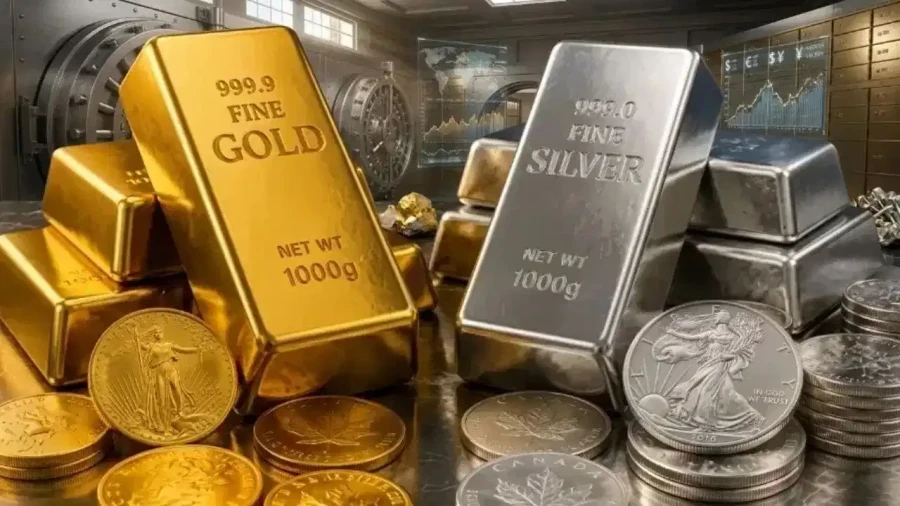
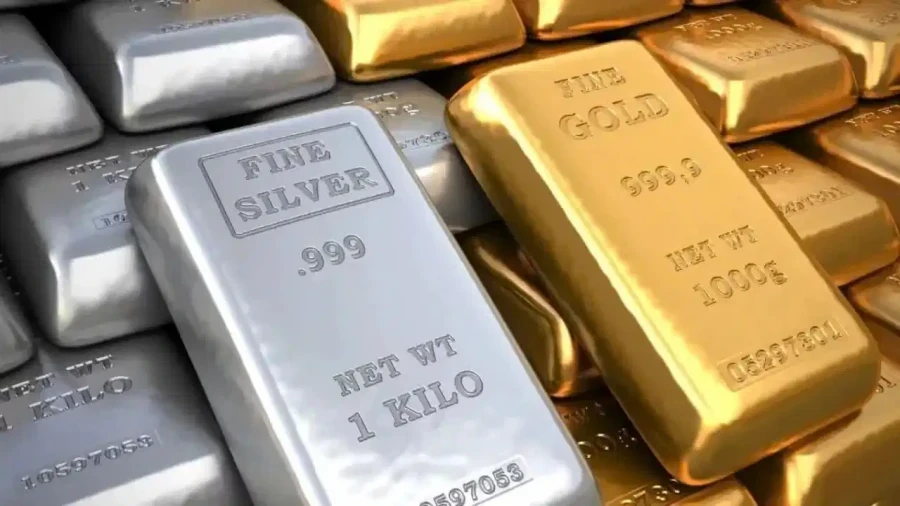
A massive and unexpected correction has gripped the precious metals market, sending shockwaves through investor circles and domestic trading floors. 55 percent. 40 percent. 55 percent within the exact same monthly timeframe. Consequently, the month of November has witnessed gold tumbling by over 10,000 rupees and silver shedding nearly 19,000 rupees from its value. This relentless bearish trend isn't restricted to domestic markets alone, as international bullion exchanges have also reported severe weakness and heavy selling in both gold and silver. Financial analysts point towards surging bond yields and a rapidly strengthening dollar index as the primary macroeconomic catalysts behind this historic price correction.
The scale of the carnage in gold prices throughout November can be comprehensively analyzed through the official trading data released by the Multi Commodity Exchange (MCX). 40 percent, translating to a staggering loss of 10,372 rupees per 10 grams. On the other hand, silver prices have experienced an even more severe destruction of wealth, with losses exceeding 19,000 rupees. 55 percent. This sudden and massive slump has triggered widespread debate among market participants, especially given initial expectations that signs of an easing Iran war would naturally propel gold and silver values upward. In reality, persistent high inflation across the United States and major global economies has forced the US Federal Reserve to contemplate further interest rate hikes during its upcoming policy meeting in December.
Simultaneously, the dollar index continues to scale near its 20-year peak levels, exerting immense downward pressure on non-yielding bullion assets. Plus, US bond yields are comfortably hovering above the 5 percent threshold, creating an intensely hostile environment for precious metals. This signifies that a cascade of macroeconomic developments originating directly from the United States is responsible for the current downturn in gold and silver valuations. To understand the depth of this market movement, it's essential to examine the granular details of the price shifts across commodities.
Beginning specifically with gold, the Multi Commodity Exchange in India has recorded a pronounced downtrend in yellow metal prices throughout November, while 40 percent, amounting to a loss of 10,372 rupees per 10 grams during this monthly cycle. A comparative analysis shows that on the final trading session of October, gold closed at 1,40,186 rupees per 10 grams. However, by November 18, gold prices retreated Importantly to settle at 1,29,814 rupees per 10 grams. Interestingly, the month of November actually commenced on a positive note for the yellow metal. 05 percent, equivalent to an increase of 5,610 rupees per 10 grams. Unfortunately, that initial momentum quickly fizzled out, giving way to a sustained and uninterrupted price correction.
The day-by-day trajectory of gold and silver price movements throughout November can be observed through the official MCX dataset: On November 18, gold stood at 1,29,814 rupees per 10 grams, while silver traded at 1,60,734 rupees per kilogram. On November 17, gold was recorded at 1,29,814 rupees per 10 grams and silver at 1,69,702 rupees per kilogram. On November 16, gold registered at 1,34,539 rupees per 10 grams with silver at 1,67,863 rupees per kilogram. On November 13, gold values were 1,36,705 rupees per 10 grams and silver stood at 1,76,309 rupees per kilogram. Moving to November 12, gold traded at 1,36,225 rupees per 10 grams while silver reached 1,78,724 rupees per kilogram. On November 11, gold was pegged at 1,39,716 rupees per 10 grams and silver at 1,84,525 rupees per kilogram. On November 10, gold stood at 1,40,525 rupees per 10 grams alongside silver at 1,82,576 rupees per kilogram. On November 9, gold closed at 1,43,166 rupees per 10 grams and silver at 1,87,127 rupees per kilogram. On November 8, gold prices were 1,42,552 rupees per 10 grams and silver was priced at 1,85,100 rupees per kilogram. On November 6, gold recorded 1,42,167 rupees per 10 grams and silver stood at 1,84,787 rupees per kilogram. On November 5, gold reached 1,44,095 rupees per 10 grams and silver touched 1,87,140 rupees per kilogram. On November 4, gold was valued at 1,43,234 rupees per 10 grams and silver at 1,87,735 rupees per kilogram. On November 3, gold stood at 1,39,452 rupees per 10 grams and silver at 1,79,698 rupees per kilogram. Finally, on November 2, gold opened at 1,40,186 rupees per 10 grams and silver at 1,83,779 rupees per kilogram, as sourced directly from the Multi Commodity Exchange.
55 percent during November. Mirroring the fate of gold, silver prices experienced a severe downward slide across domestic futures markets. Historical data reveals that on October 30, silver prices were hovering near 1,79,698 rupees per kilogram, which subsequently plunged to 1,60,734 rupees per kilogram by November 18. This sharp contraction represents an absolute loss of 18,964 rupees per kilogram in silver valuation over a brief span. 47 percent gain or an 8,008 rupees per kilogram increase up to November 5, before heavy liquidation took over the market.
Market observers have increasingly questioned whether US-centric economic shifts are entirely to blame for the erosion in gold and silver values, while the primary drivers behind this pressure include the surging dollar index, elevated bond yields, and hawkish expectations surrounding Federal Reserve rate adjustments. 78.59 percent jump over the past year. This persistent strength in the greenback has continuously suppressed precious metal valuations.
On top of that, bond yield figures have played an equally instrumental role in creating headwinds for bullion. 434 percent. These elevated yield figures directly translate into capital outflows from non-yielding safe-haven assets like gold and silver, while simultaneously, persistently stubborn inflation figures in the US economy have heightened market expectations of aggressive monetary tightening by the Federal Reserve. According to the FedWatch Tool, there is currently a 96 percent probability assigned to a potential 25 basis point hike in benchmark interest rates, which continues to cast a bearish shadow over global bullion markets.
Evaluating the current scenario across international commodity exchanges reveals an equally grim picture for precious metals. 58 dollars per ounce. 92 euros per ounce.
06 dollars per ounce. 07 dollars per ounce. 0540 euros per ounce.