
- India,
- 21-Jun-2026 06:25 PM IST



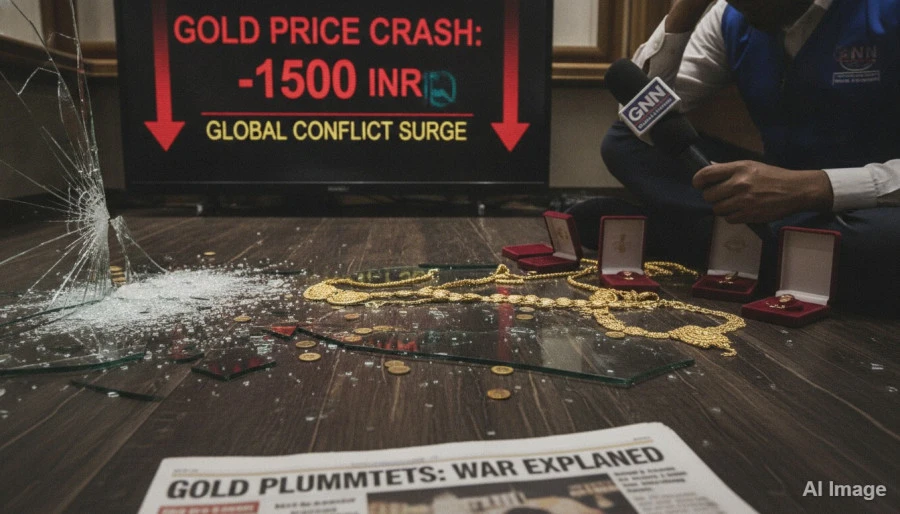
The Indian gold market has witnessed a significant correction as gold prices dropped by 15000 rupees following the news of a peace agreement between Iran and the United States. During periods of conflict, gold prices typically see a sharp rise, but the recent de-escalation has provided much-needed relief to consumers and investors alike, while this sudden shift has sparked a conversation about why gold prices are so sensitive to global warfare and what the connection is between inflation and the precious metal.
Why Gold Shines During War
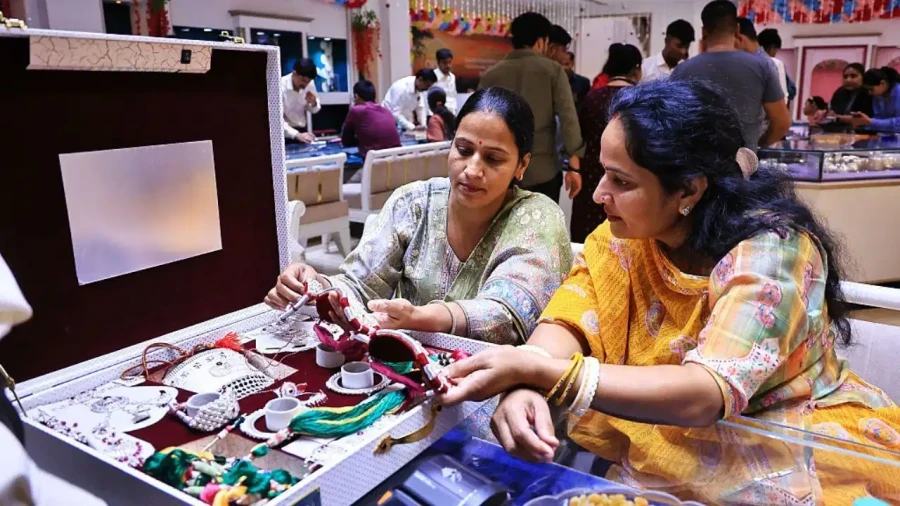
Whenever there is a war or global conflict, gold prices often increase. This isn't a coincidence; gold isn't just a piece of jewelry but a symbol of trust. When fear increases globally, people flock to gold. Investors behave similarly, which is why gold becomes expensive during times of war, tension, and crisis. Global events have a direct impact on the price of gold in India because the country is a major consumer. Gold is purchased here for weddings, festivals, and as a primary investment. Since India imports most of its gold, the movement of the international market, the dollar, and the rupee determines the local rates.
The Iran Connection: Oil and Currency
While India and Iran don't have a massive direct gold trade relationship, the connection is formed through other channels such as oil, the dollar, the rupee, and market sentiment. Iran is a crucial country in West Asia, a region vital for the world's oil trade, while if tensions involving Iran increase, the price of crude oil begins to rise. India imports a large portion of its crude oil, so expensive oil increases India's import bill. When India has to spend more dollars to buy oil, it puts pressure on the rupee, while as the rupee weakens, gold becomes more expensive in India because gold is traded in dollars in the international market.
The Role of Dollar and Rupee
The price of gold in India depends heavily on two factors: the international price of gold and the value of the rupee against the dollar. Even if gold doesn't become expensive globally, a weakening rupee can drive up domestic prices because India has to pay more rupees to acquire the same amount of gold. During wartime, the dollar often strengthens as investors consider it a safe asset. If the dollar becomes expensive and the rupee weakens, the price of gold in India rises further.
Impact of Crude Oil and Inflation
Oil is vital for a country like India, affecting petrol, diesel, gas, transport, and industry. Tension in Iran raises fears about oil supply, leading to higher crude prices. This increases the trade deficit and puts pressure on the rupee, potentially leading to inflation. In such an environment, people view gold as a hedge against inflation. Gold is considered a protection against rising prices because while the value of cash may decrease, the value of gold tends to hold steady. War, oil crises, and supply chain disruptions all contribute to this inflationary fear, driving gold prices up.
Interest Rates and Central Bank Actions
Gold doesn't offer interest. So, when banks or bonds offer higher interest rates, some investors move their money from gold to interest-bearing assets, causing gold prices to fall. Conversely, when interest rates are low or expected to decrease, gold becomes more attractive. The policies of the US Federal Reserve also play a major role; if there is an expectation of interest rate cuts in the US, it supports gold prices. Also, central banks around the world buy gold to diversify their foreign exchange reserves and reduce risk. During times of tension, many countries buy gold to reduce dependence on the dollar, and these large-scale purchases by central banks increase international demand, which is felt in India.
Domestic Demand and Taxes
In India, gold prices aren't just influenced by international factors but also by domestic demand. During the wedding season, Dhanteras, Akshaya Tritiya, or Diwali, gold purchases surge. If international prices are also rising during these times, gold can appear even more expensive in India. Also, import duties and taxes imposed by the government play a role. If the government increases import duties, gold becomes costlier, while the final price a customer sees includes the international rate, the dollar-rupee exchange rate, import duty, GST, and jeweler making charges.
When Does Gold Become Cheaper?
Gold isn't always expensive and can become cheaper under certain conditions. If the hope for the end of a war increases, fear subsides, and investors return to riskier markets, reducing the demand for gold, while a strong dollar and high interest rates in the US also put pressure on gold. If the rupee strengthens, gold may appear cheaper in India. Finally, if domestic demand is weak, prices may soften. In simple terms, gold becomes expensive during war because fear increases and people seek safe investments. The Iran-India gold connection is built through oil and the rupee, where tension leads to higher oil costs, a weaker rupee, and subsequently, higher gold prices in India.