
- India,
- 10-Aug-2026 11:56 AM IST



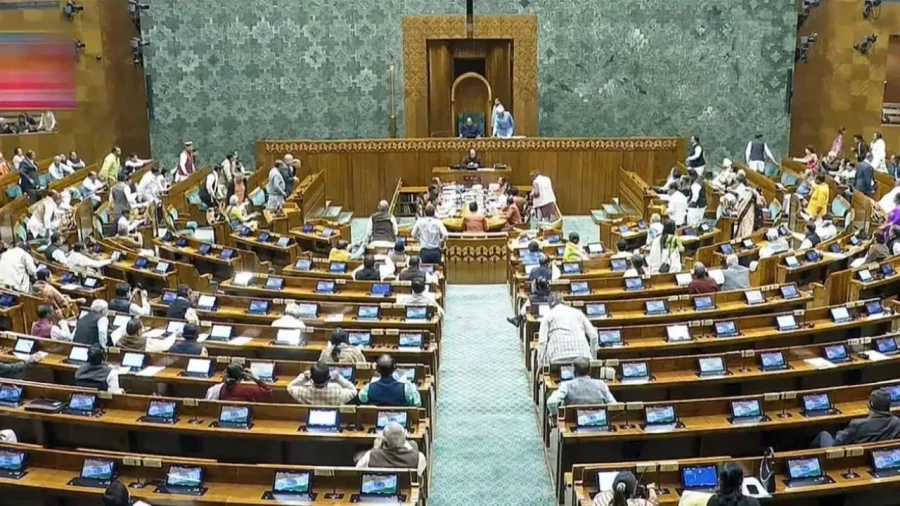
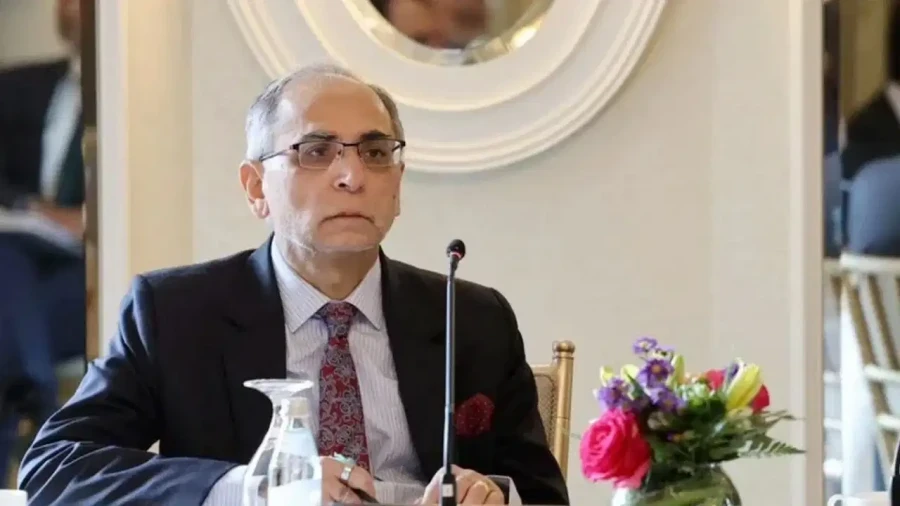
Indian Ambassador to the United States, Vinay Mohan Kwatra, has stepped forward to address and clarify the growing confusion surrounding the Foreign Contribution Regulation Amendment (FCRA) Bill 2026. In a detailed communication, the Ambassador emphasized that the primary objective of the proposed legislation is to improve transparency, ensure better governance, and pave the way for clearer regulatory frameworks. He categorically stated that the bill isn't intended to prohibit or stop foreign donations but rather to manage them more effectively. The clarification comes at a time when the Modi government is preparing to introduce the FCRA Bill 2026, which has faced opposition and various questions regarding its intent and impact. The government maintains that the bill will ensure better management of funds coming from abroad and facilitate their transparent utilization. Amidst various rumors and doubts, Ambassador Kwatra has presented the government's perspective, debunking several myths associated with the bill.
Myth vs Reality: Addressing the Core Concerns
Ambassador Vinay Mohan Kwatra utilized social media platforms to explain the nuances of the FCRA through a Myth vs Reality framework. He countered five major myths related to the bill, most of which alleged that the FCRA would target the assets of specific religions or non-governmental organizations (NGOs) or completely shut down foreign aid to civil society. The Ambassador clarified that the proposed changes are aimed at transparency and better administration rather than restriction. One of the primary myths addressed was the claim that India is creating a new law specifically to stop foreign aid to civil society. In reality, Kwatra explained that regulating the flow of foreign funds is a step linked to national security and better governance. He pointed out that similar regulations regarding foreign financial flows exist in many democratic countries across the globe.
The Evolution of FCRA and Funding Trends
According to Ambassador Kwatra, the legal framework for controlling foreign funding in India isn't a new development. The first FCRA law was enacted in 1976, which was later replaced by a new law in 2010. Subsequent amendments were made in 2016, 2018, and 2020. The proposed 2026 amendment is simply the next step in this ongoing regulatory process. The reality is that this law doesn't prevent Indians from receiving foreign donations, nor does it shut down civil society organizations that comply with the rules. Thousands of organizations are currently registered under the FCRA and regularly receive foreign funds for health, education, disaster relief, and humanitarian work. Plus, the Ambassador debunked the myth that FCRA has adversely affected the functioning of NGOs and charitable organizations. He provided data showing that the flow of foreign funds into India is actually increasing, while 67 billion dollars in 2024-25. This indicates that the regulatory framework has not stifled the inflow of funds.
NGO Registration and Asset Management
The Ambassador highlighted that while there are over 3 million NGOs in India, only 14,450 organizations are registered under the FCRA. This means a vast majority of civil society organizations don't even fall under the purview of the FCRA. He emphasized three key requirements for NGOs under the law: mandatory registration, receiving foreign funds through a prescribed process, and reporting the utilization of those funds. Regarding the myth that the law would lead to the seizure of NGO assets, including religious endowments, places of worship, hospitals, and schools, Kwatra clarified that India welcomes genuine international partnerships. He explained that the FCRA already contains provisions, active since 2010, stating that if an organization's registration is canceled or expires, the foreign contributions and assets created from them come under the authority of the state government. The proposed 2026 law introduces a Designated Authority to manage and protect these assets. Also, it provides a pathway for the return of assets and unused funds if the organization's registration is restored.
Non-Discriminatory Nature and Global Context
Ambassador Kwatra firmly rejected the allegation that the FCRA targets any specific religion or community. He stated that the Act applies equally to all organizations regardless of religion, community, or ideology. Religion-based welfare activities, including religious education, maintenance of places of worship, and charitable works by organizations of every faith, remain eligible for foreign funding under the legal conditions. To place the FCRA system in a global context, the Ambassador cited examples from other major democracies, while he noted that the United States has had FARA since 1938 and FATCA since 2010. Australia implemented similar rules in 2018, and Canada in 2024. The United Kingdom's plan was implemented in July 2025, and the European Union is currently working on its own legislation. This demonstrates that India isn't alone in regulating foreign funding and influence.
Context of US Concerns and Legislative Timeline
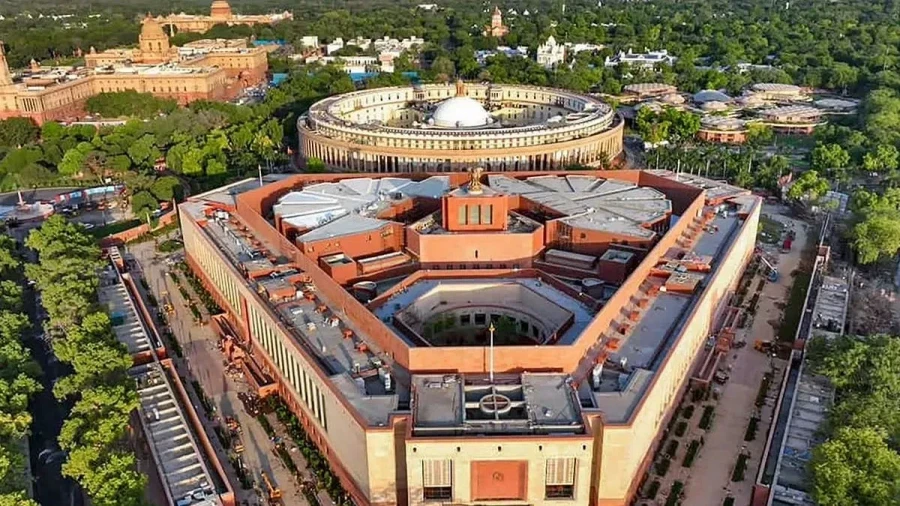
The Ambassador's remarks follow concerns expressed by US Congressman Riley Moore, who alleged that the bill's provisions could allow the Indian government to take over churches and religious institutions. The Republican Congressman from West Virginia warned that passing the bill could affect relations between New Delhi and Washington. He had mentioned on social media that despite the long history of Christianity in India, dating back to St. Thomas the Apostle, the Parliament is considering amendments that could allow the government to acquire churches. However, the Indian government maintains that the bill, which was introduced in the Lok Sabha on March 25, 2026, is designed to ensure transparency and accountability. While the opposition and some sections of civil society continue to express concerns about the potential impact on assets and minority-run institutions, the government insists the law is a necessary measure for national security and clear governance.