
- India,
- 12-Aug-2026 03:20 PM IST



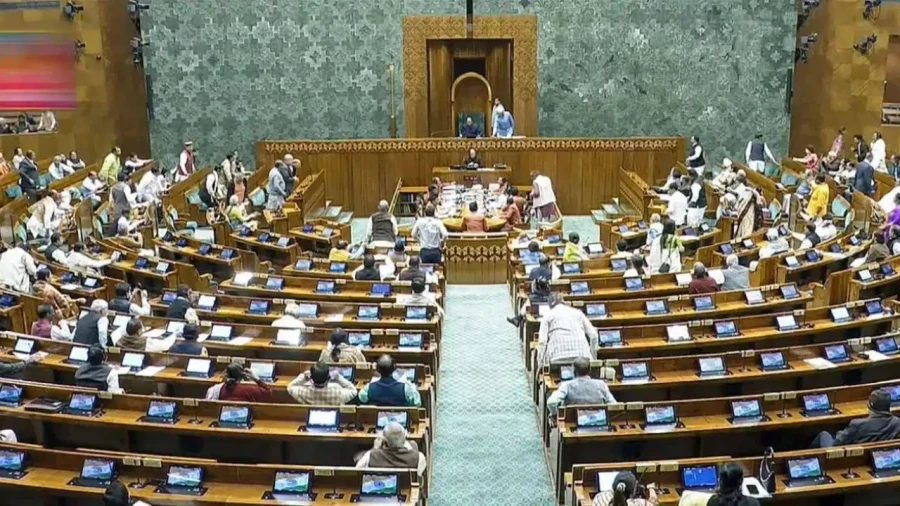
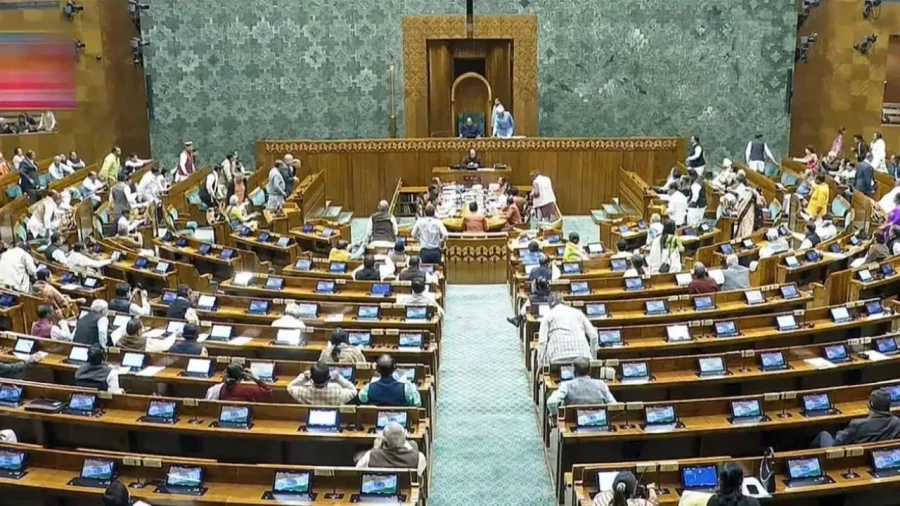
The Central Government on Wednesday took a significant legislative step by referring the Foreign Contribution (Regulation) Amendment Bill, 2026, also known as the FCRA Bill, to a Joint Parliamentary Committee (JPC) following persistent and heavy opposition from various political quarters. The proposal to send the bill to the JPC was moved in the Lok Sabha and subsequently approved, marking a shift in the legislative process for this controversial amendment. While the government moved the proposal for further scrutiny, the Samajwadi Party President Akhilesh Yadav voiced strong objections, categorizing the bill as a measure directed against minority communities.
Presentation and Committee Structure
In a notable development during the parliamentary proceedings, Minister of State for Home Affairs Nityanand Rai presented the Foreign Contribution (Regulation) Amendment Bill, 2026, in the Lok Sabha on behalf of Union Home Minister Amit Shah. Amidst the din of opposition protests, the decision was made to refer the amendment bill to a 31 member Joint Parliamentary Committee of Parliament. This committee is designed to have a broad representation from both houses of Parliament, consisting of 21 members from the Lok Sabha and 10 members from the Rajya Sabha. The JPC has been tasked with reviewing the bill comprehensively and is expected to submit its report or response by the next session of Parliament.
Political Stances and Opposition Arguments
The referral to the JPC comes after various political parties expressed their reservations and demands regarding the bill. Earlier, there were speculations that the government was considering sending the FCRA bill to a joint committee for detailed deliberation. According to sources, during a meeting of the Rajya Sabha Business Advisory Committee (BAC), parties like the Congress and the Trinamool Congress (TMC) were among those who raised several questions regarding the bill. These parties specifically questioned the timing and the manner in which the FCRA bill was being introduced in the house. While the government stated that a decision would be taken at an appropriate time, both Congress and TMC demanded the complete withdrawal of the bill.
On the other hand, the Biju Janata Dal (BJD) took a slightly different stance, supporting the idea that the bill could be sent to a Joint Parliamentary Committee for a more detailed and structured discussion. The Dravida Munnetra Kazhagam (DMK) also expressed its preference for the bill to be either withdrawn entirely or referred to the JPC for further examination. The opposition's primary grievance is that the bill allegedly targets minority groups, while they argue that certain provisions of the bill could potentially disrupt legitimate funding for Christian NGOs and social welfare or educational institutions run by minority communities.
Government Clarification and Legislative Timeline
The Foreign Contribution (Regulation) Amendment Bill, 2026, was originally introduced in the Lok Sabha on March 25 during the Budget Session. The bill proposes stricter government monitoring of Non-Governmental Organizations (NGOs) and their foreign funding mechanisms within the country. Despite the allegations from the opposition, the government has clarified its position, stating that the proposed law isn't directed at any specific religion. Instead, the government maintains that the primary objective of the amendment is to streamline and correct the process of receiving and utilizing foreign contributions.
Key Participants in the Deliberations
The decision-making process involved high-level meetings, including a session of the Rajya Sabha Business Advisory Committee (BAC) held on Tuesday, while this meeting was chaired by Chairman C. P. Radhakrishnan, while several prominent political figures attended the meeting to discuss the legislative agenda, including:
- Kiren Rijiju, Minister of Parliamentary Affairs
- J. P, while nadda, Union Minister
- Jairam Ramesh, representing the Congress
- Tiruchi Siva, representing the DMK
- Sasmit Patra, representing the BJD
The committee will now dive into into the intricacies of the bill to address the concerns raised by the opposition while ensuring the government's objective of regulating foreign funds is met. The political landscape remains divided on whether the voices of the opposing parties will lead to significant changes in the final version of the bill.