
- India,
- 27-Sep-2026 01:01 PM IST
- (Updated 27-Sep-2026 01:01 PM IST)



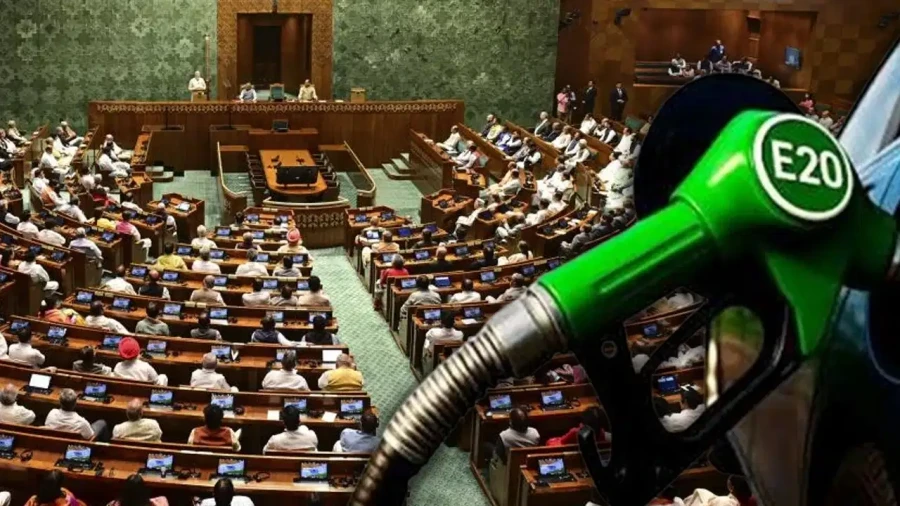
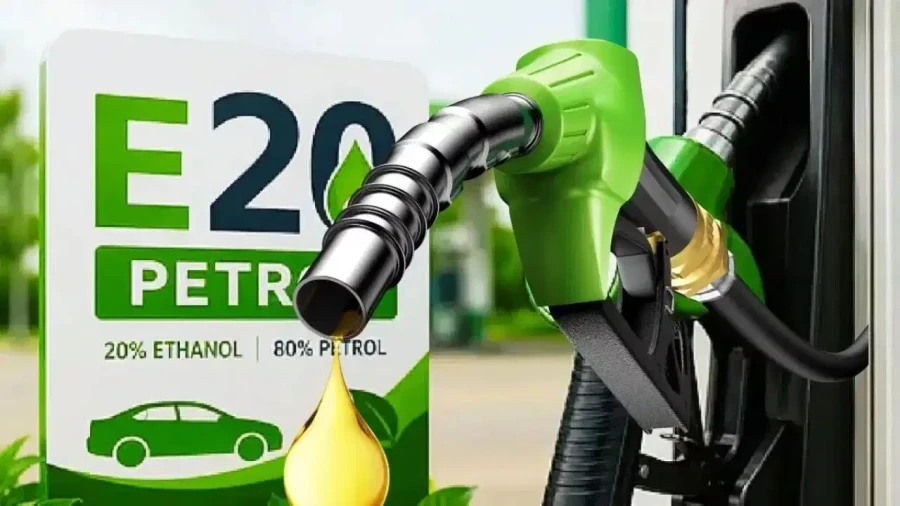
India is currently grappling with a significant crisis of ethanol oversupply, where the production capacity has far exceeded the domestic demand, while this surplus has put the government and the industry in a position where they must urgently find new markets and alternative uses for the excess ethanol. The country's total installed ethanol production capacity has reached approximately 20 billion liters, a figure that highlights the rapid expansion of the sector in recent years. However, this growth has now led to a situation where nearly 7 billion liters of ethanol capacity remains unutilized or without a clear buyer.
The Gap Between Production Capacity and Demand
Industry experts suggest that the production capacity is set to increase by another 4 billion liters this year. Despite this massive scale, the actual requirement for the E20 fuel blending program stands at only 11 billion liters annually. 5 billion liters per year. This leaves a staggering gap of about 7 billion liters for which there is no immediate market. As a result, distilleries across the country are operating at barely 60 percent of their total capacity. It's expected that over the next three years, capacity utilization will remain stagnant between 65 percent and 75 percent. 77 billion liters is estimated, further complicating the regional balance.
Government Policy Shifts and Market Realities
95 billion liters of ethanol to Oil Marketing Companies (OMCs) for fuel blending, against a contract of 10 billion liters for the 2025-26 period (November-October). However, the government has had to rethink its aggressive blending targets. Due to customer dissatisfaction regarding E20 fuel, the government has put a hold on plans to mandate higher flex-fuel blends like E25 or E30. According to the current roadmap, the focus will remain on E20 until October 31, 2026. The central government has informed the Supreme Court that the long-term impact of this program will only become clear by 2027, leading to a cautious approach in further increasing blending percentages.
Proposed Solutions: Differential Pricing and New Markets
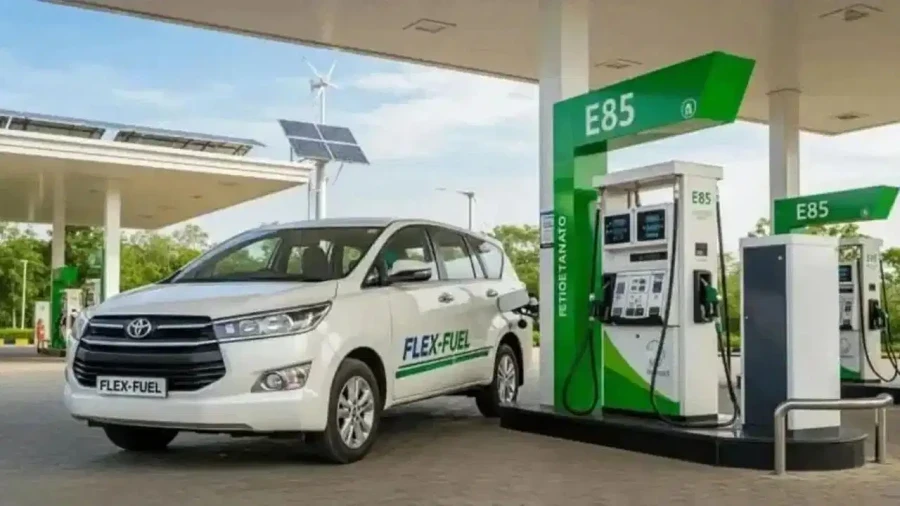
Ravindra Utgikar, Chief Sales Officer of Vilo India, a major supplier of pumping systems to ethanol producers, has suggested a shift in strategy. Instead of a uniform blending mandate, he proposes a system of differential pricing for various ethanol blends such as E10, E20, and E85. This model is already successful in countries like the United States and Brazil. Such a system would allow vehicle owners to choose fuel based on their vehicle's age, technology, and compatibility, which could naturally drive up overall ethanol consumption. Utgikar, who has two decades of experience in the biofuel industry, emphasizes that the industry desperately needs new buyers to survive this glut.
Exploring Export Opportunities and International Cooperation
The export market currently offers limited relief. India still maintains a ban on the export of first-generation (1G) ethanol. The government has only approved the export of second-generation (2G) ethanol starting from September 2025. While small quantities of non-fuel ethanol are sent to Tanzania, Angola, and Kenya, the Grain Ethanol Manufacturers Association (GEMA) is actively negotiating with Nepal. Nepal is planning to mandate 10 percent blending but lacks the necessary feedstock and distillery capacity, making it a potential strategic partner for India's surplus ethanol.
The Future of Ethanol in Diesel Blending
The government and industry are now looking toward diesel blending as a major outlet for the surplus, while ashish Gaikwad, Managing Director of Praj Industries, stated that their Bio-Isobutanol (Bio-IBA) technology is ready for commercialization and large-scale production. He expects the first order to arrive in the current quarter of fiscal year 2027. Since the demand for diesel in India is Importantly higher than that for petrol, blending Bio-IBA into diesel could be a landmark moment in India's biofuel journey. Praj Industries, which specializes in turnkey bio-ethanol facilities, notes that even a 2 percent blending mandate for Bio-IBA in diesel could create project opportunities worth over 3000 crore rupees.
Non-Fuel Ethanol Demand and Market Trends
It's important to note that not all ethanol is used as fuel. 7 percent of the total demand. 80 billion liters in 2025, growing at an annual rate of 5 percent. This growth is partly driven by consumers shifting from country liquor to Indian Made Foreign Liquor (IMFL), which requires high-quality ethanol. Despite this steady growth in the non-fuel sector, it isn't enough to absorb the massive 700 crore liter surplus currently facing the nation.