
- India,
- 06-Jun-2026 09:01 AM IST



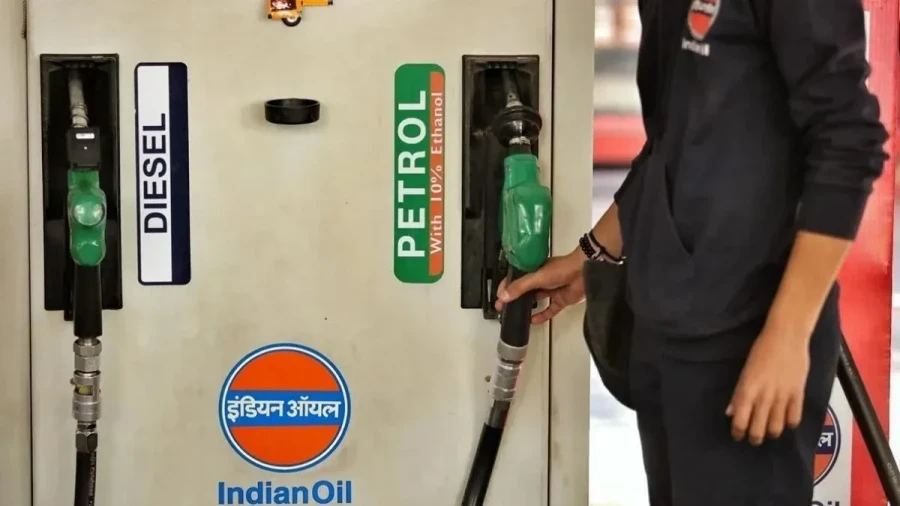
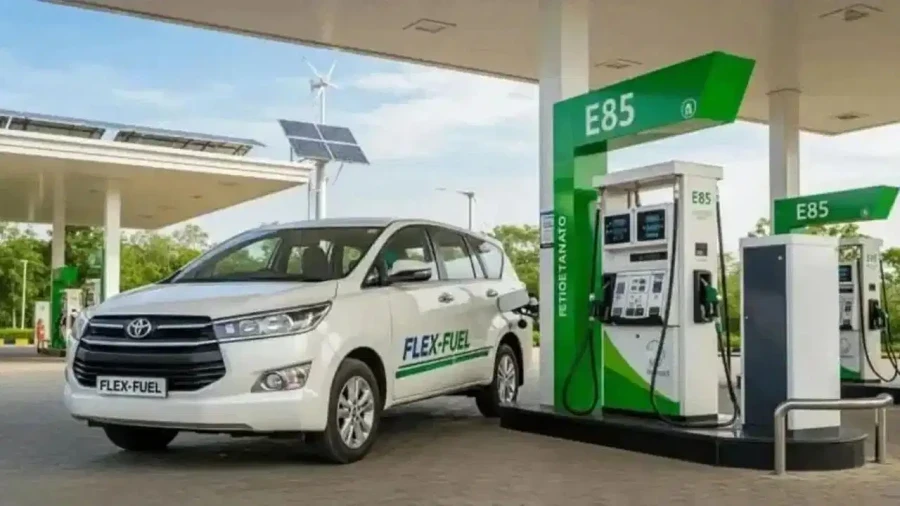
In a major move to provide financial relief to consumers and promote sustainable energy, the Indian government has officially launched the E85 fuel blend. Union Minister for Petroleum and Natural Gas, Hardeep Singh Puri, unveiled this high-ethanol fuel at an Indian Oil Corporation petrol pump on the occasion of World Environment Day. The most significant highlight of this launch is that E85 fuel has been priced 20 rupees per liter cheaper than conventional petrol, making it a highly attractive option for vehicle owners. This initiative is part of India's broader strategy to achieve energy self-reliance and reduce the environmental impact of fossil fuels.
Technical Composition and Vehicle Compatibility
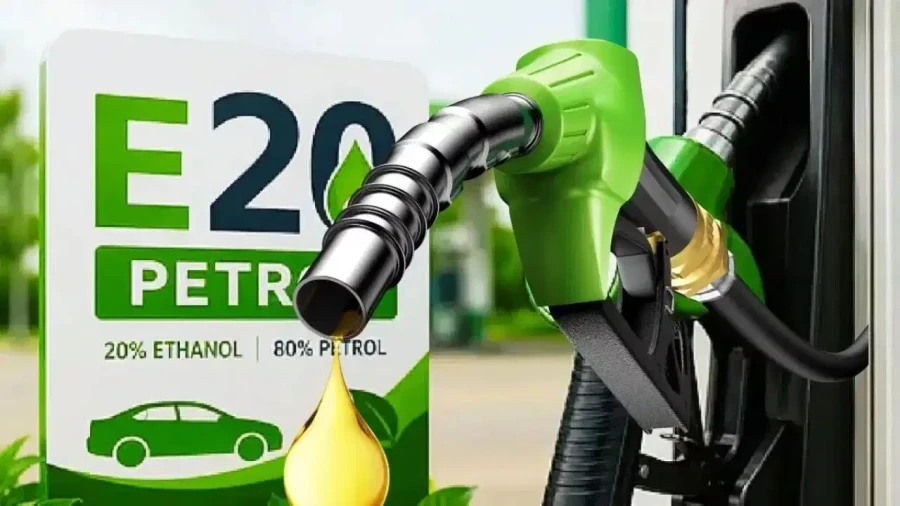
E85 fuel is a specialized mixture consisting of 80 to 85 percent ethanol and 14 to 19 percent petrol. However, it's important for consumers to understand that this fuel can't be used in standard petrol engines. It's exclusively designed for Flex-Fuel Vehicles (FFVs), which are capable of running on various ethanol-petrol blends ranging from E20 to E100. These vehicles are equipped with an advanced Engine Control Unit (ECU) that can automatically detect the ethanol concentration in the fuel and adjust the engine parameters accordingly for optimal performance. The higher octane rating of ethanol also contributes to better engine performance and cleaner combustion, which Notably reduces particulate emissions.
Expansion Plans and Availability
Initially, the E85 fuel will be available at 48 public sector petrol pumps across the country. Minister Hardeep Singh Puri outlined an ambitious roadmap for the expansion of this fuel's availability. The government plans to increase the number of petrol pumps offering E85 to 500 by December 2026. Looking further ahead, the target is to reach approximately 5000 petrol pumps by December 2027. This systematic expansion is expected to help India increase its overall ethanol blending level to approximately 26 percent by the year 2030-31, further strengthening the national energy security framework.
Economic and Environmental Impact
The transition to ethanol-blended fuels has already yielded significant results for the Indian economy. 53 percent in 2014 to 20 percent currently, achieving the target five years ahead of schedule. 84 lakh crore rupees and has reduced crude oil imports by approximately 302 lakh metric tons. Environmentally, flex-fuel vehicles running on E85 can reduce greenhouse gas emissions by about 61 percent compared to traditional petrol vehicles. On top of that, if half of all new two-wheelers and passenger vehicles in India shift to flex-fuel technology, the annual demand for ethanol could rise by over 312 crore liters. 4 lakh metric tons.
Global Context and Appeal to States
Drawing a comparison with Brazil, where over 80 percent of light vehicles operate on flex-fuel technology, Minister Puri emphasized that India is moving from pilot projects to a structured national flex-fuel ecosystem. He addressed concerns regarding engine health, stating that since E20 became the national standard, there have been no reported incidents of engine damage due to ethanol blending. He clarified that E85 is specifically for flex-fuel vehicles and urged state governments to support this transition through favorable tax policies for both E85 fuel and flex-fuel vehicles. The Minister concluded by stating that every liter of ethanol replaces imported fossil fuel, embodying the spirit of Atmanirbhar Bharat in every drop of E85.