
- India,
- 21-Jul-2026 07:18 PM IST



The Pentagon has officially acknowledged that approximately 100 American soldiers sustained injuries during retaliatory strikes launched by Iran. Pentagon spokesperson Sean Parnell provided this information, clarifying that these casualties occurred in attacks following July 7. According to the official statement, 96 percent of the injured personnel have already recovered and returned to their respective duties. Parnell noted that the majority of these injuries were classified as minor traumatic brain injuries or slight head wounds.
Response to Transparency Concerns
This admission from the Pentagon comes as a direct response to a report published by the New York Times. The report alleged that the Department of Defense was intentionally withholding information regarding American casualties in the ongoing conflict with Iran. Addressing these allegations, Parnell admitted there was a deliberate delay in releasing the data. He stated, "there was a deliberate delay," and emphasized that this decision was made strictly to ensure the safety and security of the soldiers involved, rather than to mislead the public.
Escalation of Military Actions
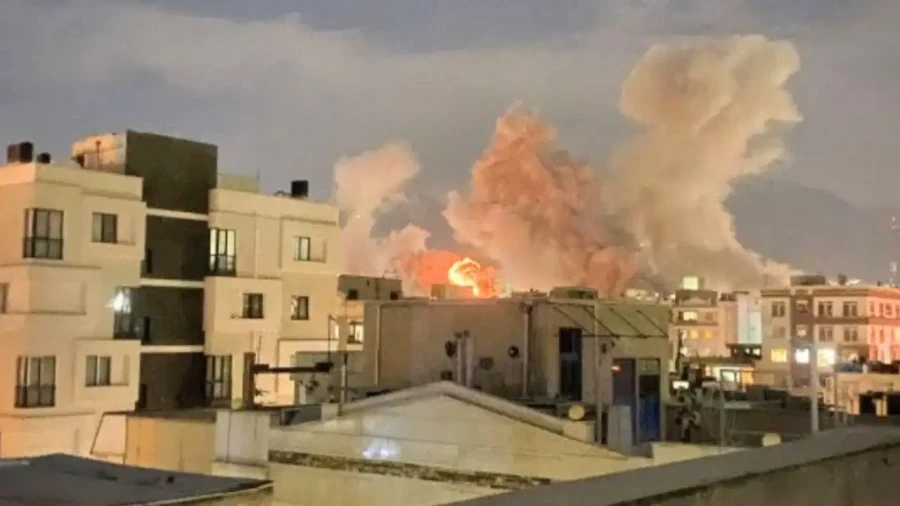
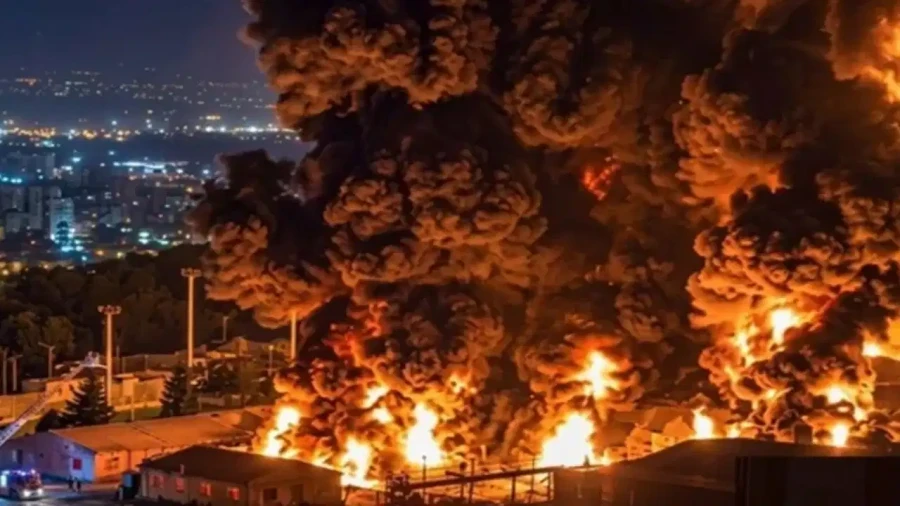
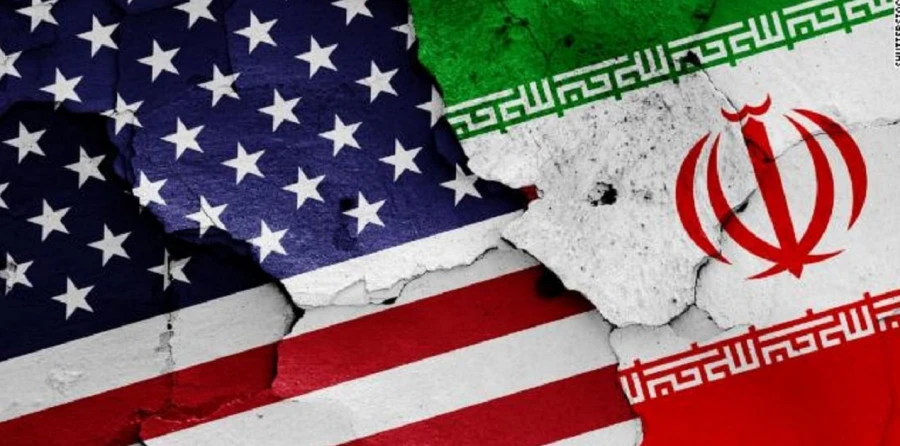
The military situation between the United States and Iran continues to escalate with frequent exchanges of fire. On Monday, Iran targeted several locations in countries where American military bases are situated. In a swift retaliatory move on Tuesday morning, the United States launched significant airstrikes across 9 different Iranian cities. According to reports from the Iranian Labor News Agency, the targeted locations included Abdanan, Bandar Abbas, Bandar Lengeh, Bushehr, Chabahar, Qeshm Island, Sirik, Shiraz, and Konarak.
Political Developments in Iran
On the political front, Iranian President Masoud Pezeshkian has stated that his government is maintaining and increasing its coordination with Supreme Leader Mujtaba Khamenei. This statement underscores the unified stance of the Iranian leadership amidst the growing military tensions with the United States.
Declining Public Support in the United States
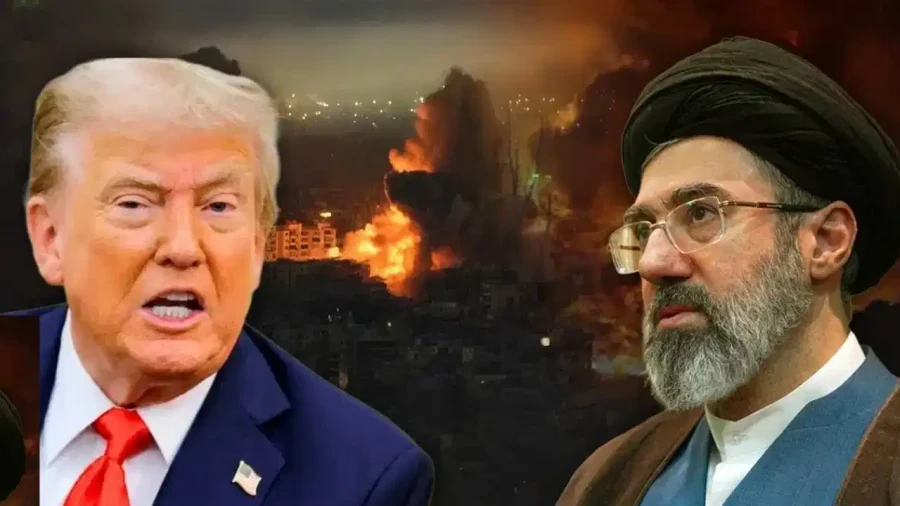
Domestically, the conflict is facing significant opposition within the United States. A report by CNN suggests that the military campaign initiated by President Donald Trump against Iran is becoming one of the most unpopular wars in American history. Various surveys indicate that public support for this conflict is eroding much faster than it did during the wars in Iraq, Afghanistan, or Vietnam.
- A survey conducted by the Washington Post and Ipsos revealed that 68 percent of Americans believe the war against Iran was unnecessary. Only 28 percent of respondents expressed support for the military action.
- In another survey, 61 percent of participants described the conflict as a mistake on the part of the United States.
- A Quinnipiac University poll found that 45 percent of voters believe the war has made the United States weaker, while only 33 percent feel it has strengthened the nation.
Economic Pressures and Political Risks
Despite the focus on military operations, surveys also highlight that the primary concerns for the American public remain the economy, inflation, and the rising costs of petrol and diesel. Experts suggest that the economic pressure resulting from the war could pose a greater political risk to President Trump than the military conflict itself.
Senate Hearing on War Funding
In a critical development, US Defense Secretary Pete Hegseth is scheduled to appear before a key Senate committee on Tuesday. This hearing occurs as the Trump administration seeks billions of dollars in additional funding from Congress to sustain the war effort against Iran. CNN reports that some lawmakers are concerned about the strain on the US military's weapons stockpiles and the overall budget due to the prolonged conflict. Several Republican lawmakers have noted that they've not yet been provided with comprehensive information regarding the military's actual requirements and its state of readiness. During the hearing, Hegseth is also expected to face tough questions regarding the Pentagon's delay in disclosing the number of injured soldiers.