
- India,
- 21-Jul-2026 04:48 PM IST



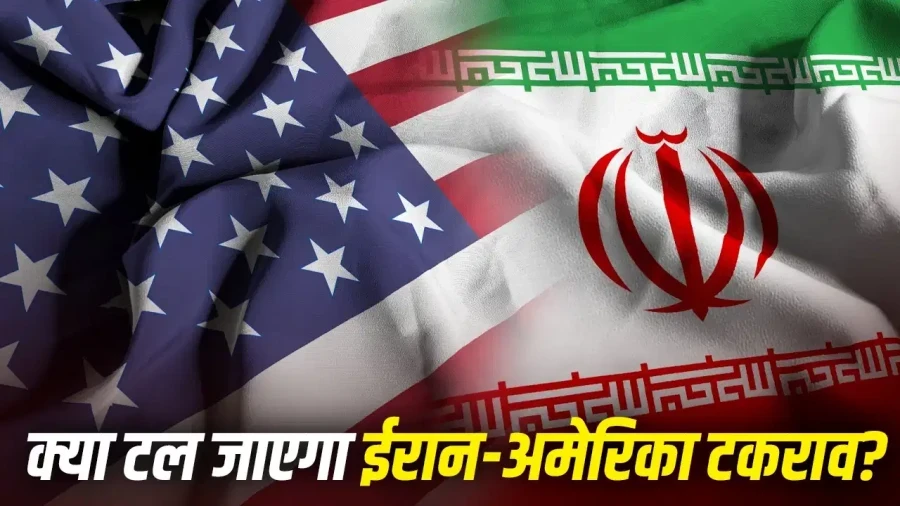
Amid the escalating military tensions between the United States and Iran, a new diplomatic initiative has emerged that has captured global attention. According to US media reports, Oman and Qatar are playing the role of mediators between the two nations, bringing forward a proposal aimed at reducing military confrontation in the Strait of Hormuz. The primary objective of this proposal is to ensure that this critical gateway for global energy supplies remains open and functional despite the ongoing conflict. The suggestion involves managing the two maritime routes of the Strait of Hormuz under separate security arrangements.
Key Aspects of the Maritime Proposal
The proposal from Oman and Qatar seeks to find a middle ground in the long-standing dispute between the US and Iran. Under this plan, the southern maritime route, which falls within Oman's territorial waters, would be kept safe from Iranian attacks. Conversely, the northern route, which is connected to Iran's territorial waters, would see the United States refrain from any form of naval blockade or military intervention. In simpler terms, the suggestion is for both powers to limit their military presence and actions to their respective spheres of influence, allowing commercial vessels to navigate the Strait of Hormuz without fear. This initiative is seen as a vital step to prevent a full-scale maritime blockade that could cripple the global economy.
Strategic Importance of the Strait of Hormuz
The Strait of Hormuz is one of the most strategic maritime passages in the world. Approximately one-fifth of the world's total maritime oil trade passes through this narrow waterway. Because of its critical nature, any increase in tension in this region immediately reflects on global oil prices, maritime trade, insurance costs, and the overall global economy. The initiative by Oman and Qatar isn't just an attempt at a bilateral agreement but is viewed as an effort to save the world economy from a major crisis. Major oil-producing nations such as Saudi Arabia, Iraq, Kuwait, the United Arab Emirates, and Qatar rely heavily on this route to export their crude oil and gas to international markets.
Current Tensions and Challenges
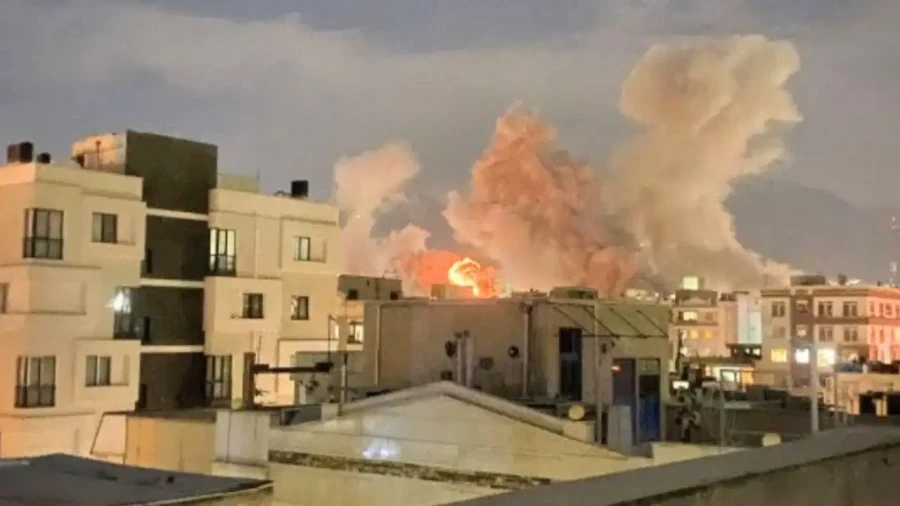
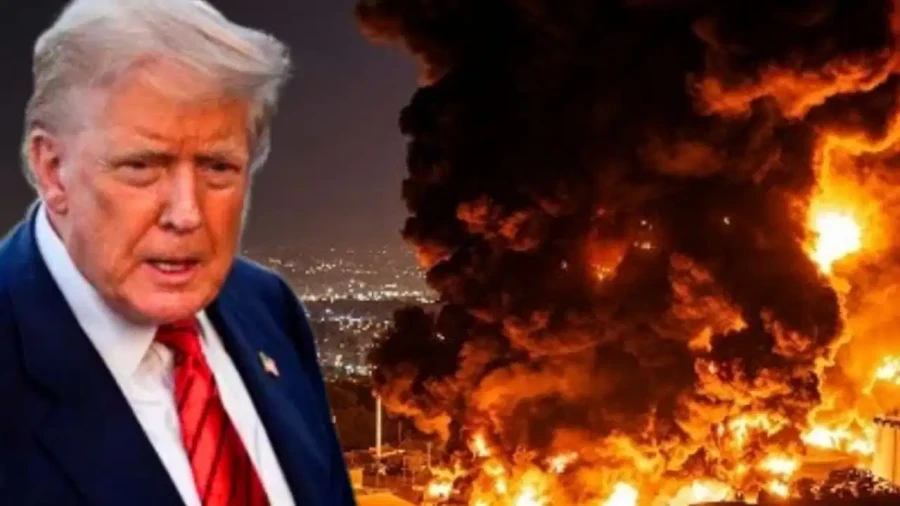
This diplomatic move comes at a time when tensions between the US and Iran are at their peak. In recent days, military actions between the two countries have intensified, raising concerns about the safety of the Strait of Hormuz. Iran has long maintained that if its oil exports are blocked or if it faces a major attack, it could shut down the movement of ships in the Strait. On the other hand, the US maintains a significant presence of warships and naval forces to keep the route open. Currently, the US has been conducting bombings on Iranian targets, while Iran has been retaliating against US interests. The biggest challenge for this new proposal is the lack of trust between the two nations, as both have accused each other of breaking past agreements.
Impact on India and Global Consumers
For a country like India, the stability of the Strait of Hormuz is of paramount importance. India imports a massive portion of its crude oil requirements, much of which comes from the Gulf countries via this very route, while if this maritime path remains secure and the movement of ships continues normally, India's oil supply will remain protected. This would also reduce the risk of sudden spikes in petrol and diesel prices. However, if the agreement fails and the conflict escalates, it could lead to a significant increase in India's import bill, fuel prices, and overall inflation. Other major Asian economies like China, Japan, and South Korea also depend heavily on this route for their energy needs, making it the energy lifeline of the world.