
- India,
- 19-Jul-2026 08:11 AM IST



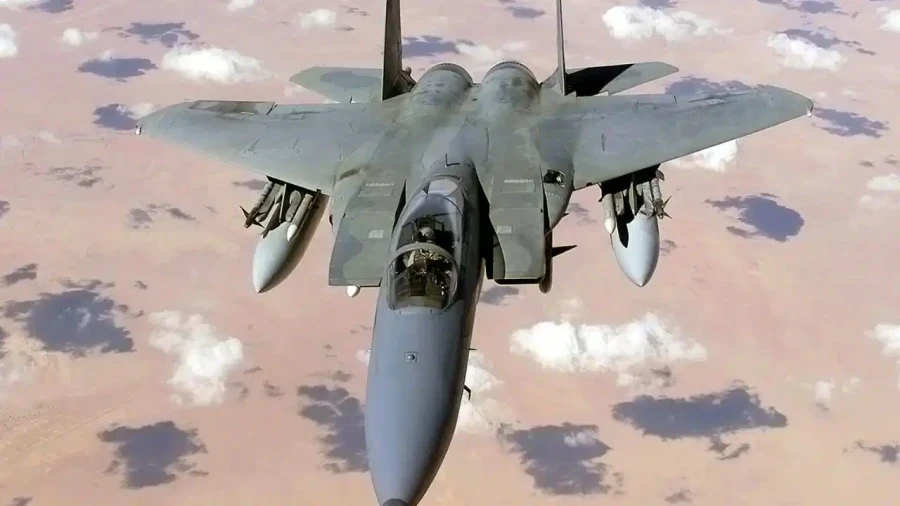
The United States military has Importantly intensified its aerial campaign against Iranian interests following the tragic announcement of American soldier fatalities at a base in Jordan. This escalation occurred just moments after Iran's Supreme Leader, Mojtaba Khamenei, issued a provocative warning to Washington, stating that the United States would be taught lessons it would never forget if it continued its strikes against the Islamic Republic. In response to the drone and missile attacks that claimed American lives, the US Central Command has initiated new waves of airstrikes specifically designed to punish the Iranian Revolutionary Guard and degrade their strategic capabilities.
Strategic Importance of the Strait of Hormuz
A primary focus of the American military response has been the Strait of Hormuz, a vital maritime corridor for global energy security. US Central Command emphasized that these strikes aim to further diminish Iran's capacity to disrupt the passage of oil tankers through this narrow waterway. Before the current hostilities broke out, approximately 20 percent of the world's total oil supply transitioned through this strait. According to the Iranian state news agency IRNA, which cited local officials in the South Hormozgan province, a site near Sirik was targeted by American forces at approximately 1:30 AM local time, highlighting the precision and timing of the retaliatory measures.
Rising Casualties and Direct Confrontation
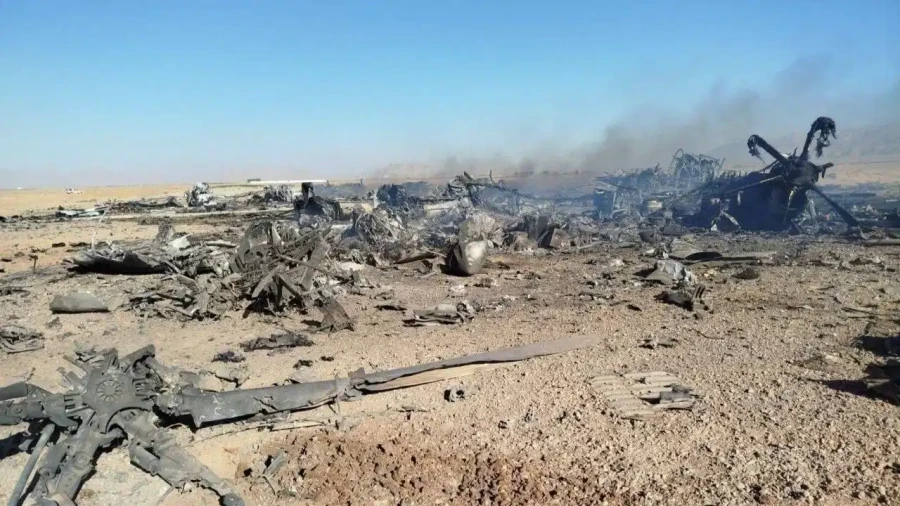
The latest round of hostilities marks a significant turning point, as the US military confirmed the deaths of its personnel due to direct Iranian fire for the first time since the early days of the conflict. While the identities of the fallen soldiers have not been released, the impact is profound. Since the beginning of the war, a total of 16 American service members have lost their lives, and more than 430 others have been injured in various incidents across the region. These figures include a helicopter pilot who died in the Arabian Sea earlier this month, six soldiers killed in a drone strike in Kuwait, one fatality at a base in Saudi Arabia, and six others lost in a refueling aircraft crash in Iraq.
Attacks in Iraq and the Kurdish Region
The conflict has also spilled over into neighboring Iraq, where a base belonging to the Kurdistan Freedom Party, a group of Iranian Kurdish dissidents, was targeted by drone strikes near Erbil on Sunday morning, while military official Rebaz Sharifi confirmed that 8 members of the organization were injured in the attack. Residents of Erbil, the capital of Iraq's semi-autonomous northern Kurdish region, reported hearing the thunderous sounds of air defense systems engaging targets. These incidents occur against a backdrop of rising friction between Washington and Tehran, even as the new Iraqi Prime Minister, Ali al-Zaidi, recently concluded a visit to the United States.
Devastation in Kuwait and Infrastructure Damage
Kuwait has emerged as a major victim of the collateral damage from Iranian strikes. On Saturday, a water desalination plant and an oil facility were targeted, causing significant disruption. This is particularly critical for Kuwait, a desert nation that relies on desalination for 90 percent of its drinking water. The attacks resulted in several injuries at the oil facility and a major fire at the desalination plant, which forced the shutdown of multiple power generation units. The Kuwait Fire Force reported that several firefighters were injured while battling blazes caused by the strikes. Consequently, Kuwait briefly closed its airspace, and Kuwait Airways was forced to reschedule most flights to and from the capital.
Warnings of Unforgettable Lessons
The diplomatic situation has reached a nadir as Iran's Supreme Leader Mojtaba Khamenei warned of retaliation not just from Iran, but from its regional allies known as the Axis of Resistance, while iranian negotiator Kazem Gharibabadi informed state television that Tehran is now suspending its commitments under a month-old interim deal that was intended to pave the way for a permanent ceasefire. Gharibabadi accused the United States of violating its obligations under the agreement. As the threat level rises, the US has issued worldwide travel alerts, and regional partners including Jordan, Bahrain, and Saudi Arabia remain on high alert, with air defense systems actively intercepting incoming missiles and drones.