
- India,
- 18-Jul-2026 05:43 PM IST



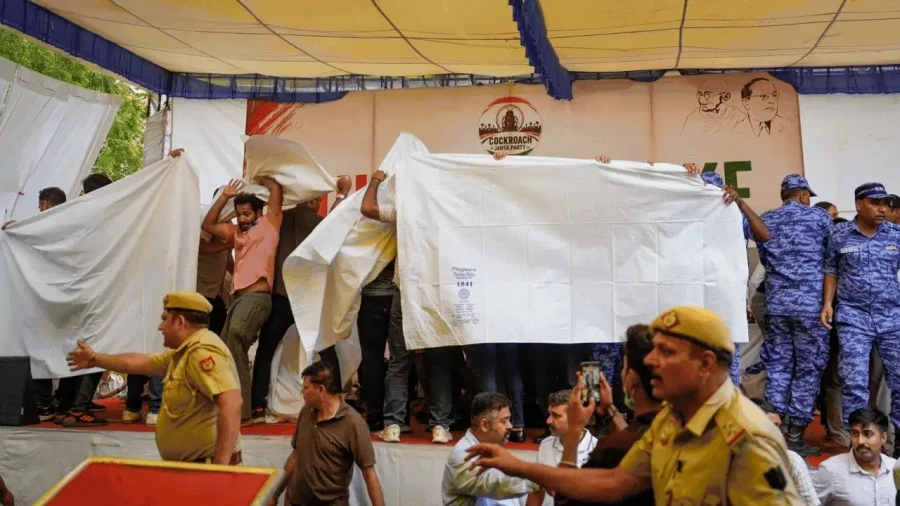
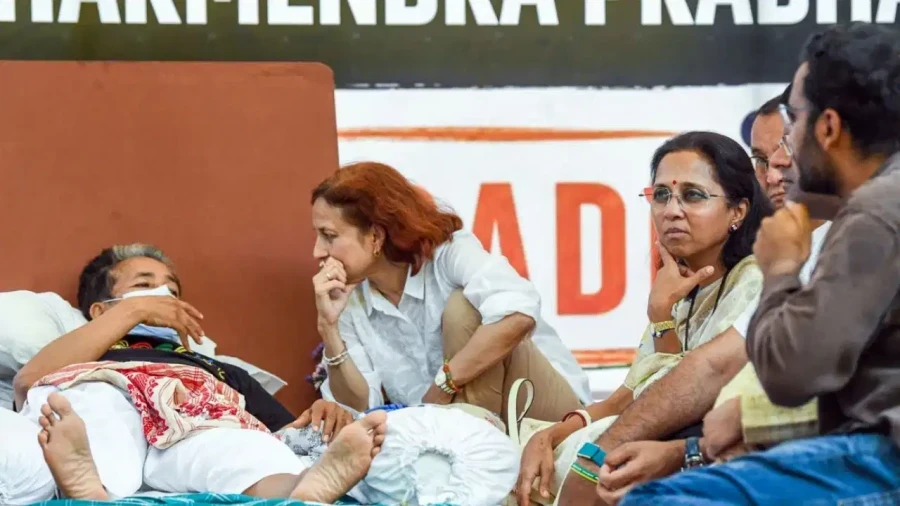
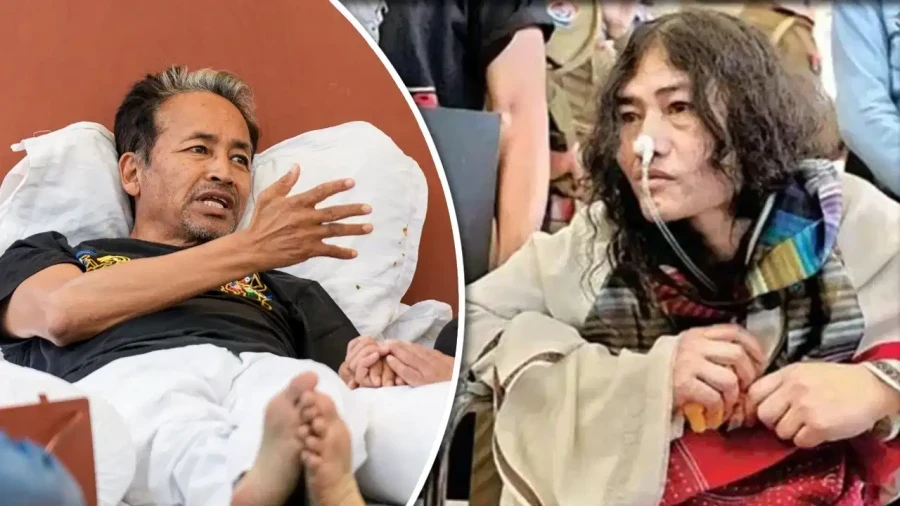
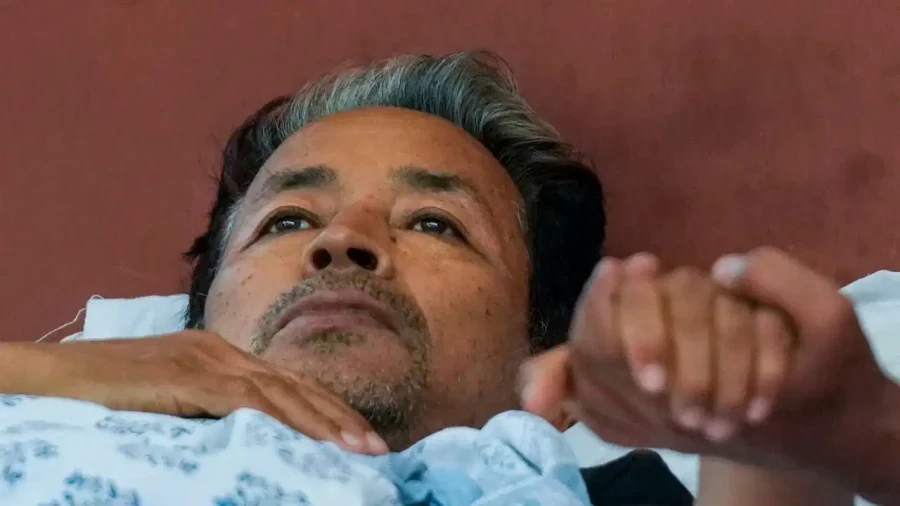
The ongoing protest regarding the NEET paper leak case has taken a critical turn as activist Sonam Wangchuk, who has been on a hunger strike for the past 20 days at Jantar Mantar, was shifted to Safdarjung Hospital by the Delhi Police on Saturday morning. Despite his deteriorating health condition resulting from the prolonged fast, Wangchuk has remained steadfast in his resolve, reportedly refusing to accept IV fluids, ORS, or any form of medical treatment from the hospital authorities, while his protest is centered on the demand for the resignation of the Education Minister following the controversies surrounding the NEET examination process.
Medical Admission and Initial Observations
According to the official health bulletin released by Safdarjung Hospital, Sonam Wangchuk was brought to the facility by the Delhi Police and admitted to VMMC and Safdarjung Hospital at 7:40 AM on 18/07/2026. The primary reasons cited for his admission were general weakness and the fact that he had not consumed any solid food for 20 consecutive days. Upon his arrival at the hospital, medical professionals noted that he was conscious and his vital signs, including pulse, blood pressure, and oxygen saturation levels, were stable. However, a more detailed clinical examination revealed several concerning health indicators that pointed towards the physical toll of his long-term hunger strike.
Detailed Health Status and Refusal of Treatment
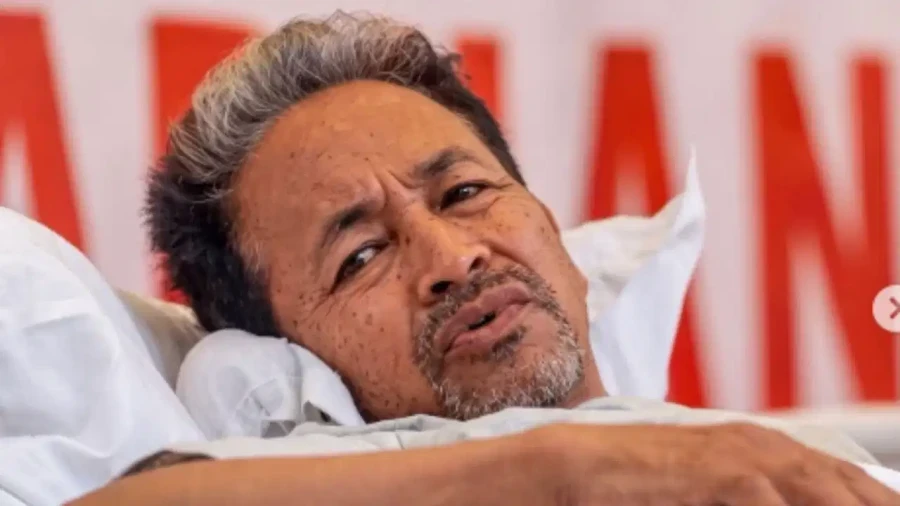
The medical team identified clear symptoms of dehydration in Wangchuk's body, while blood tests conducted shortly after his admission revealed that his potassium levels had dropped Notably, and there were signs of an acid-base imbalance within his system. Specifically, his blood sugar level was recorded at 78 mg/dl. One of the most alarming findings was the presence of ketones in his urine. At the time of admission, the ketone level was 1+, but by 1 PM on the same day, it had escalated to 3+. Given these clinical findings, doctors strongly advised the administration of IV fluids, ORS, and specific medications to stabilize his condition. However, Sonam Wangchuk has categorically refused to accept any of these interventions, while the hospital staff continues to monitor him closely, with doctors repeatedly advising him to undergo treatment to prevent further health complications.
Concerns Raised by Gitanjali J Angmo
On the other side of this developing situation, Sonam Wangchuk's wife, Gitanjali J Angmo, has expressed serious concerns regarding the transparency of the medical process. Confirming that her husband is indeed at Safdarjung Hospital, she asserted that no medical treatment should be administered to him without his explicit consent. She stated, "He's in Safdarjung Hospital. I refuse to allow them to give him anything without my consent. No treatment should start without my consent. " Her statement underscores a deep lack of trust in the current medical handling of the activist.
Allegations of Lack of Transparency
Gitanjali J Angmo further detailed the discrepancies the family has observed in the medical reports. 9, a level considered life-threatening. However, she alleged that despite repeated requests, the hospital authorities refused to provide a physical copy of the medical reports. "Yesterday, Safdarjung doctors checked him and all vitals were normal. 3.9 and it's life-threatening, but when we asked for the report, they're showing it to us but not giving it. Due to the lack of transparency, I am having trust issues," she remarked. Consequently, the family has demanded an independent medical examination by a different laboratory before agreeing to any treatment. Angmo stated that they intend to move Wangchuk to a hospital they trust as soon as possible. She has also written two formal letters to the Medical Superintendent of Safdarjung Hospital, reiterating that no oral or intravenous medication or fluids should be given without approval and demanding copies of all medical records.