
- India,
- 16-Jul-2026 03:50 PM IST



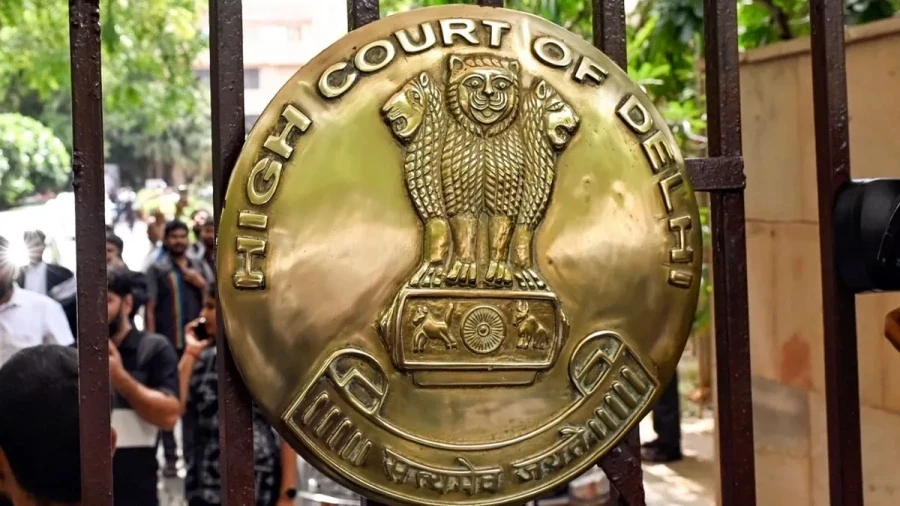
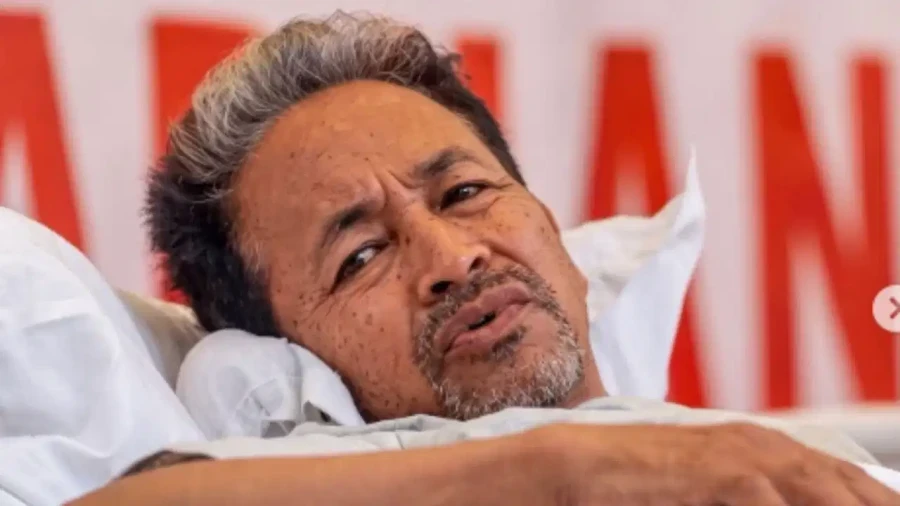
The Delhi High Court has voiced significant concern regarding the deteriorating health of social activist Sonam Wangchuk, who has been on an indefinite hunger strike for the past 19 days at Jantar Mantar in the national capital. Emphasizing that the life of every citizen is invaluable, the court issued a series of directives to the central government to ensure his well-being. K. Upadhyaya and Justice Tejas Karia, underscored that the state holds a fundamental responsibility to protect the lives of its citizens and must take every possible measure to prevent any harm. The court's intervention comes at a critical juncture as the activist's protest enters its third week, raising alarms about the physical toll of the prolonged fast.
Court Directives on Medical Monitoring
During the proceedings on Thursday, the Delhi High Court directed the central government to ensure that government doctors conduct daily medical examinations of Sonam Wangchuk. The court mandated continuous monitoring of his health status to prevent any critical complications. The bench stated that clinical monitoring should be a daily routine, and the reports generated by the medical professionals must be used to determine if any immediate medical intervention or specialized treatment is required. The court made it clear that if the doctors' reports suggest a need for medical interference, the government must act without any delay to provide the necessary care. The judges reiterated that the preservation of life is a paramount duty that transcends political or social disagreements.
Government Response and Solicitor General's Stance
Representing the central and Delhi governments, Solicitor General Tushar Mehta informed the court that Wangchuk's health is already being monitored. He noted that medical reports and essential health-related information are being shared regularly. According to the submission, both government and private doctors have been involved in conducting check-ups at various intervals. The Solicitor General expressed that the government has no objection to the regular medical examination of Wangchuk, reiterating that every individual's life is indeed precious. The High Court appreciated the constructive stance taken by the Solicitor General in this sensitive matter, noting that the government's willingness to provide medical aid is a positive step toward ensuring the activist's safety during his protest.
Background of the Protest and NEET UG Controversy
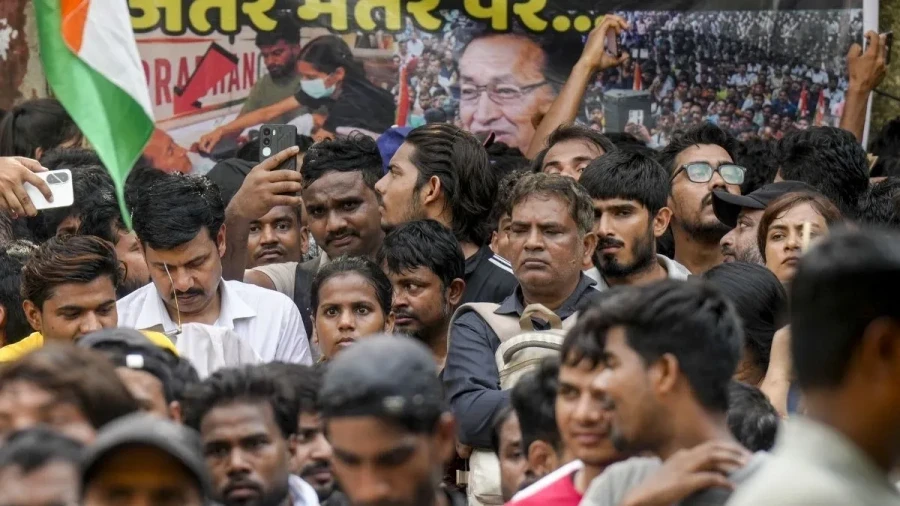
Sonam Wangchuk joined the ongoing protest at Jantar Mantar on June 28 and has remained on a hunger strike since then. The protest was originally initiated by the Cockroach Janta Party, which has been demonstrating for over 25 days. The primary demand of the protesters is the resignation of Union Education Minister Dharmendra Pradhan, following alleged irregularities and discrepancies in the NEET UG examinations. The Public Interest Litigation (PIL) that prompted the court's intervention highlighted the risks to Wangchuk's life due to the prolonged fast. The court's order aims to balance the right to protest with the state's duty to preserve life, ensuring that medical aid is readily available as the activist continues his strike, while the bench emphasized that while the right to dissent is recognized, the physical safety of the individual remains a priority for the judiciary.