
- India,
- 14-May-2026 07:58 PM IST



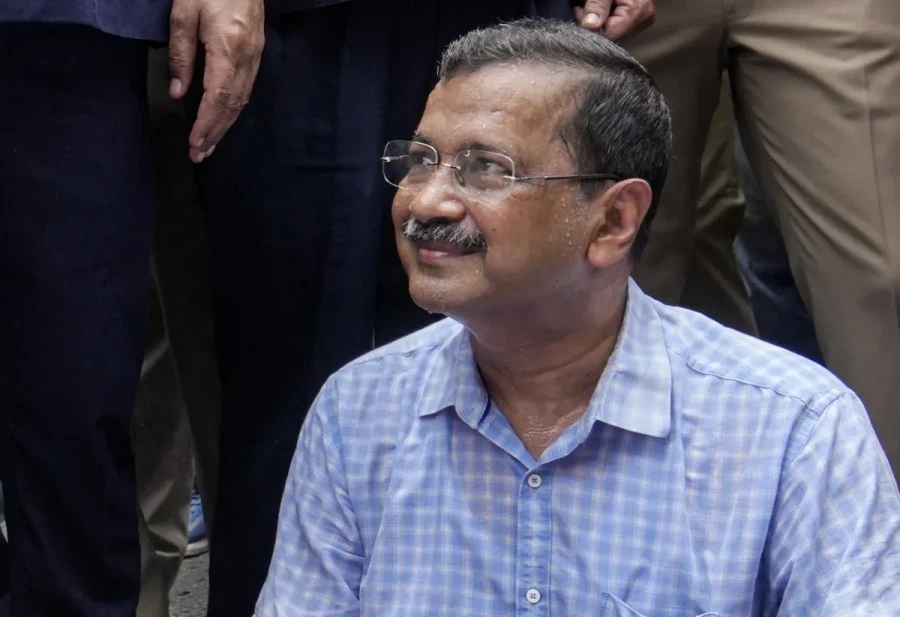
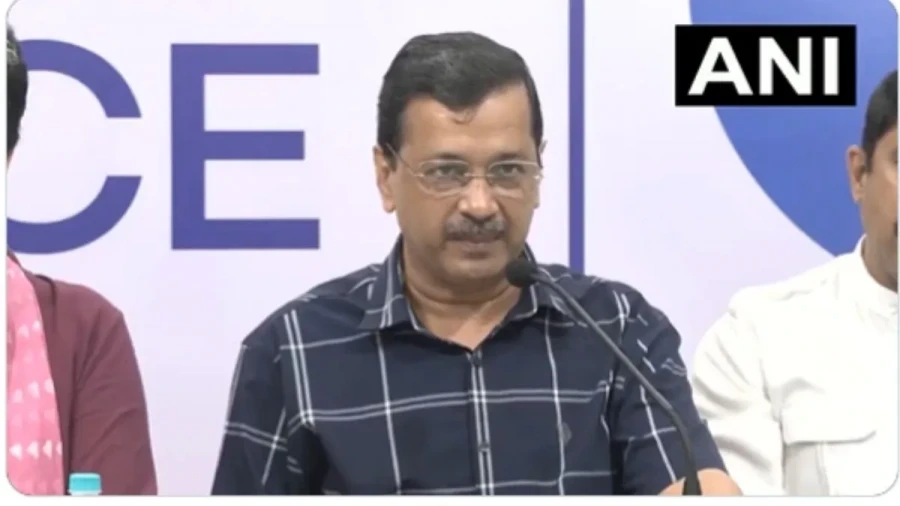
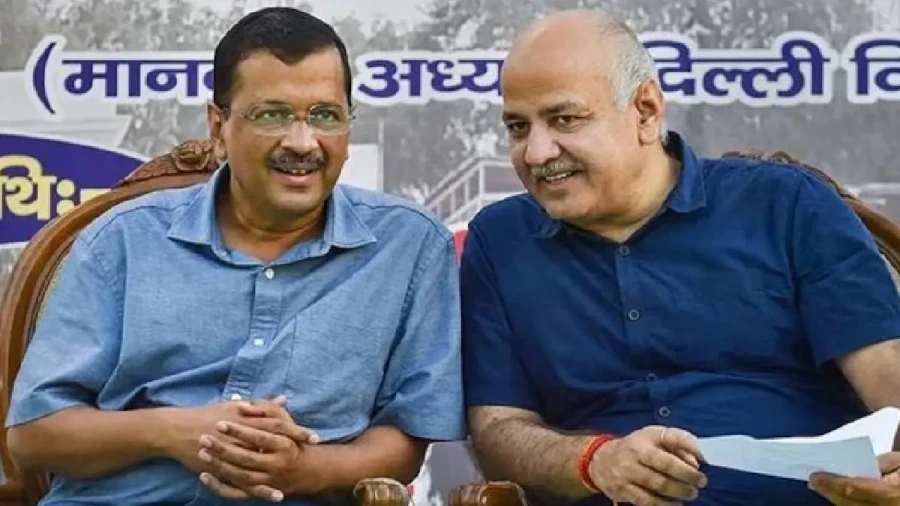
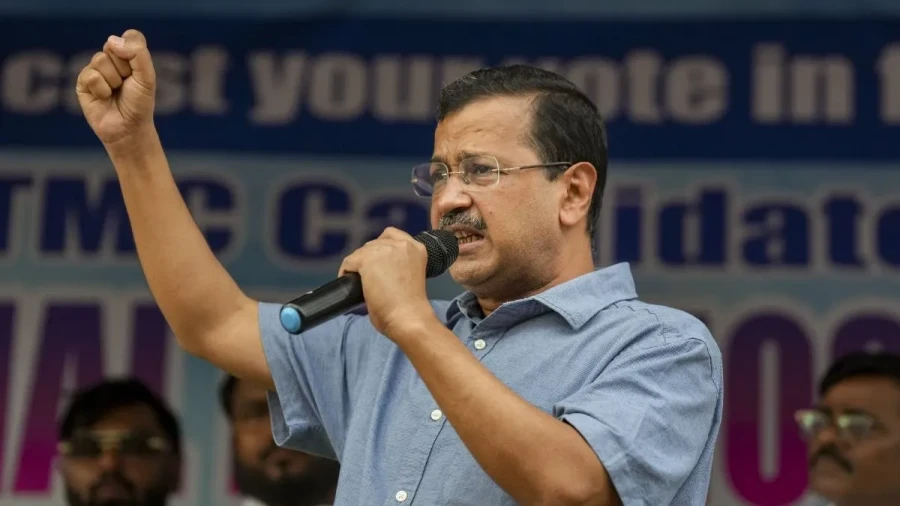
Delhi High Court Judge Justice Swarna Kanta Sharma has taken a significant legal step by deciding to initiate criminal contempt proceedings against Aam Aadmi Party (AAP) chief Arvind Kejriwal, former Deputy Chief Minister Manish Sisodia, and several other prominent leaders of the party. This decision comes in the backdrop of the ongoing liquor policy case hearings, where Justice Sharma observed that a series of offensive and defamatory posts were circulated against her on various social media and online platforms. The judge emphasized that she could no longer remain silent in the face of such targeted attacks, stating clearly that these actions were intended to intimidate the judiciary and undermine its authority.
Allegations of a Planned Social Media Campaign
Justice Swarna Kanta Sharma specifically highlighted the actions of Arvind Kejriwal, mentioning a tweet where he had written a letter to the judge and released a video. According to the court's findings, videos of the courtroom proceedings were edited and circulated on social media to create a narrative against the court's decisions. The judge noted that this wasn't an isolated incident but a widespread and well-planned campaign involving letters, videos, and social media drives. While the legal proceedings were being conducted inside the courtroom, a parallel digital narrative was being constructed outside to undermine the authority of the court. Justice Sharma remarked that these edited videos were used as a tool to try and intimidate her and the institution she represents.
The Varanasi Speech Controversy and Manipulation
A significant portion of the judge's observations focused on Rajya Sabha MP Sanjay Singh and Devesh Vishwakarma. Justice Sharma pointed out that Sanjay Singh had posted an edited video of a speech she delivered at a university in Varanasi. In the original speech, the judge was referring to Baba Bhole Nath and seeking his blessings, but the video was allegedly manipulated to make it appear as though she was making political statements. By removing the parts where she mentioned Banaras and the blessings of Baba Bhole Nath, the perpetrators attempted to set a specific political narrative. Justice Sharma stated that such manipulation was a deliberate attempt to question her impartiality and suggest that she couldn't deliver justice fairly.
Institutional Integrity and Constitutional Injury
Addressing the broader implications of these attacks, Justice Swarna Kanta Sharma asserted that this wasn't merely a personal assault but a constitutional injury aimed at destabilizing the institution of the judiciary. She remarked that repeating a lie a thousand times doesn't make it the truth and that her previous silence shouldn't have been mistaken for weakness. The judge emphasized that when a judicial institution is put in the dock, it becomes the duty of the judge to ensure that the court isn't operated under the influence of such baseless allegations. She stated that the court must remain independent and unaffected by external digital campaigns designed to sway judicial outcomes.
Recusal Application and Legal Recourse
Justice Sharma noted that regarding the recusal application, which sought to remove her from the case, Arvind Kejriwal had the option to approach the Supreme Court but chose not to do so. Instead, he and his party members launched a campaign against the judge and her family. She observed that the intent was to show that if a decision went against them, they would level allegations against the judge's family to instill fear. Justice Sharma clarified that her decision to initiate contempt proceedings was taken after careful consideration and shouldn't be misinterpreted as a reaction to the opposition of her judicial orders. She maintained that the judiciary can't be intimidated by such tactics.
The list of individuals against whom the contempt proceedings have been initiated includes Arvind Kejriwal, Manish Sisodia, Durgesh Pathak, Sanjay Singh, Vinay Mishra, Devesh Vishwakarma, and Sanjay Bhardwaj. Justice Sharma concluded by stating that she had taken this decision to protect the sanctity of the court. She emphasized that the campaign was designed to instill fear in judges by targeting their personal lives, but she reaffirmed that such efforts wouldn't succeed in deterring her from her judicial duties. The case marks a significant moment in the ongoing legal battle involving the AAP leadership and the Delhi High Court.