
- India,
- 14-May-2026 07:29 PM IST



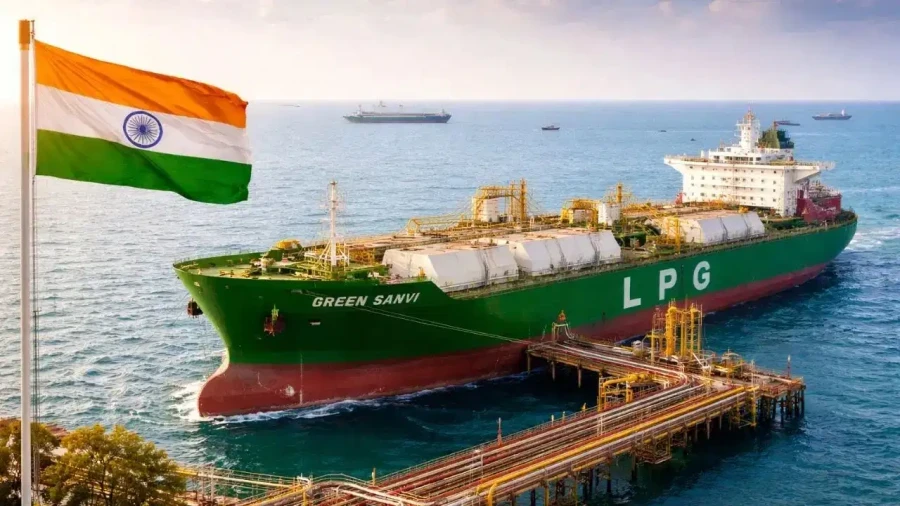
Amidst the escalating geopolitical tensions and war-like conditions between the United States and Iran, a significant piece of positive news has emerged for India's energy sector. Two massive tankers carrying Liquefied Petroleum Gas (LPG) from the Persian Gulf have successfully navigated through the volatile maritime chokepoint of the Strait of Hormuz. This development has Importantly bolstered hopes that India's domestic cooking gas supply will remain stable and uninterrupted for the time being. The successful passage of these vessels has also provided a much-needed sense of relief to other Asian nations that are heavily dependent on energy imports from the Gulf region.
Strategic Navigation and Stealth Tactics
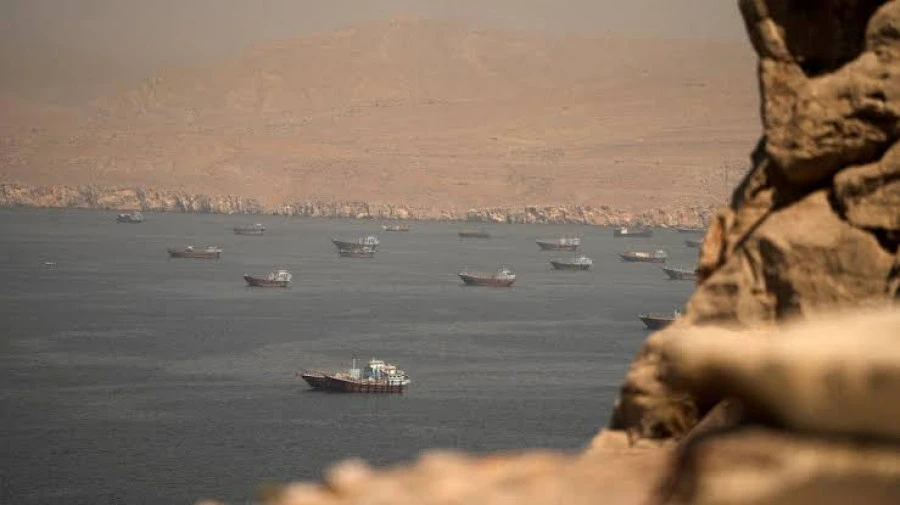
According to recent maritime reports, the LPG carriers identified as 'Symi' and 'NV Sunshine' were spotted in the Gulf of Oman on Thursday, while a critical aspect of their journey was the tactical decision to switch off their transponders while crossing the Strait of Hormuz. The transponder is a vital communication system that broadcasts a ship's real-time location, speed, and identity to global tracking networks. By disabling this system, the vessels effectively went off the radar to mitigate potential risks and ensure a safe passage through one of the world's most sensitive and heavily monitored maritime chokepoints.
Detailed Routes and Destination Adjustments
Ship tracking data reveals specific details about the cargo and intended destinations of these tankers, while the vessel 'NV Sunshine' had loaded its LPG consignment from the Ruwais Refinery in the United Arab Emirates (UAE). While its initial destination was reported as Mangaluru, the latest tracking information indicates that the ship is now heading towards the Kandla Port in Western India, while simultaneously, the tanker 'Symi' is transporting LPG from Ras Laffan in Qatar and is also destined for Kandla. These shipments are crucial for maintaining the energy equilibrium in India's western and northern industrial and domestic belts.
Increased Vessel Traffic in the Persian Gulf
The successful transit of Symi and NV Sunshine adds to a growing list of energy vessels braving the regional instability. Since last Sunday, the total number of large oil and gas tankers that have successfully crossed the Strait of Hormuz has reached 10. This fleet includes a diverse range of energy carriers: three additional LPG vessels, four Very Large Crude Carriers (VLCCs), and one Liquefied Natural Gas (LNG) tanker. This continuous movement of high-capacity vessels underscores the resilience of global energy exporters who are striving to maintain supply chains despite the looming threat of a military confrontation.
US Naval Monitoring and Regional Standoff
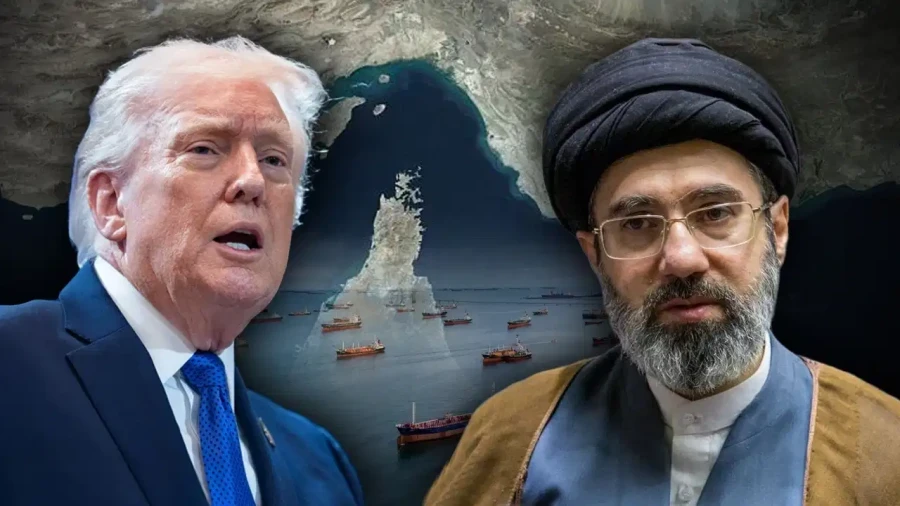
Despite the ongoing movement of ships, the regional atmosphere remains highly charged. Diplomatic efforts and negotiations between the United States and Iran to prevent a full-scale conflict have yet to yield any substantial breakthroughs. Nevertheless, major exporters like the Abu Dhabi National Oil Company (ADNOC) are continuing their operations, often utilizing vessels that maintain a low profile by not broadcasting their locations publicly. In tandem with these commercial movements, the US Navy maintains a constant and vigilant presence in the area, monitoring all maritime activities closely to ensure regional security.
The complexities of the current situation are further highlighted by the challenges faced by other international vessels. For instance, the supertanker 'Agios Fanourios I', which was carrying Iraqi crude oil destined for Vietnam, is currently stationary in the Gulf of Oman. Reports suggest that the US Navy intercepted the vessel and ordered it to turn back. On top of that, several oil tankers from China and Japan have been observed operating near the US blockade lines, indicating a high level of international activity and concern. For India, the primary focus remains the safe arrival of its LPG consignments to ensure domestic energy stability as the geopolitical situation continues to evolve.