
- India,
- 13-May-2026 11:07 PM IST



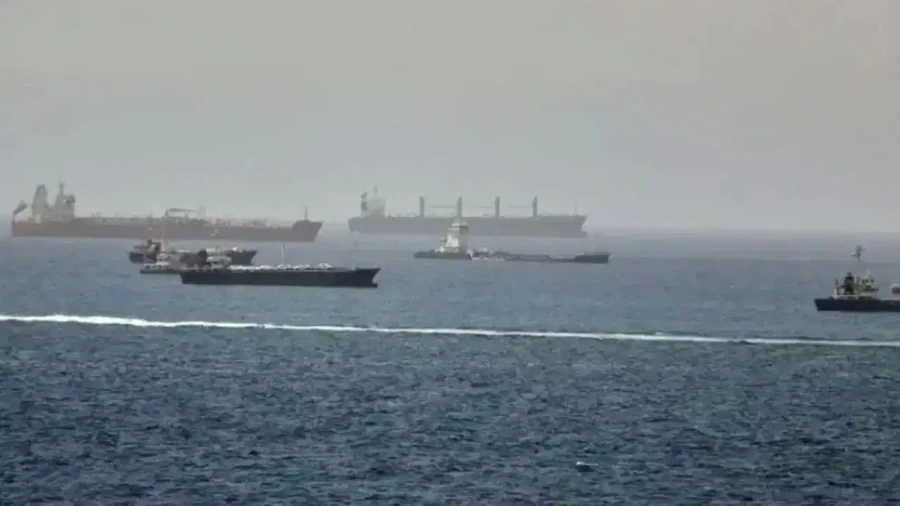
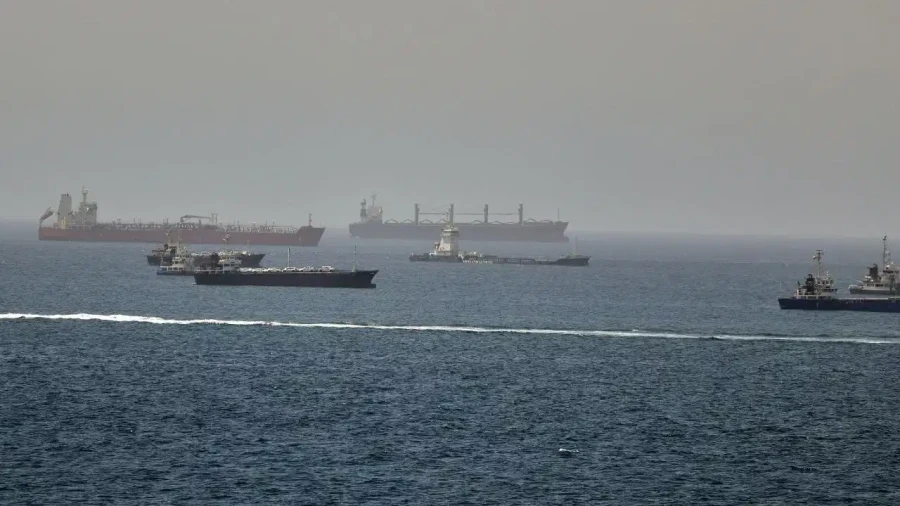
Despite the announcement of a ceasefire, Iran has not fully reopened the Strait of Hormuz, leading to significant disruptions in the global supply chain. The ongoing suspense surrounding this critical maritime route has deepened due to the lack of a nuclear agreement between the United States and Iran. In response to this logistical crisis, three major Gulf nations—Saudi Arabia, Oman, and the United Arab Emirates (UAE)—have collaborated to establish an alternative road route. This strategic path is currently being used to transport essential goods to the Red Sea, bypassing the volatile Strait of Hormuz to reach global markets.
Operational Mechanics of the New Land Bridge
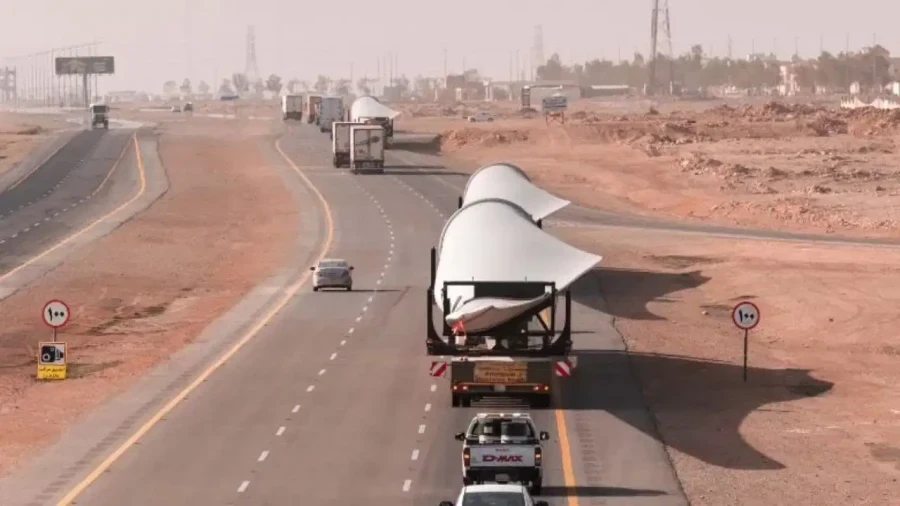
According to a report by the Wall Street Journal, this alternative route has become a bustling corridor with approximately 3,500 cargo trucks operating daily across the desert landscape. The logistics chain begins at the UAE's strategic ports, specifically Fujairah and Khor Fakkan, while from these locations, goods are loaded onto trucks that traverse the Oman interlink, crossing into Saudi Arabia. This land-based movement ensures that the flow of commodities remains uninterrupted despite the maritime blockade in the region. Once the trucks reach Saudi Arabia's Red Sea ports, the cargo is transferred back onto ships. These vessels then navigate toward the Gulf of Oman and the Suez Canal, delivering goods to their final international destinations. This route isn't limited to UAE goods; trucks from Saudi Arabia, Kuwait, and Oman are also utilizing this network to maintain their trade operations.
Key Highlights of the Alternative Supply Route
Strategic Importance of the Strait of Hormuz
The Strait of Hormuz is a vital artery for global energy security, accounting for nearly 25 percent of the world's total oil and gas supplies. The waterway is geographically narrow, spanning only 34 kilometers at its tightest point. Iran maintains strategic control over this passage through three key islands. Due to the conflict persisting over the last two months, Iran has kept the route largely inaccessible, severely impacting the export capabilities of major producers like Saudi Arabia, Iraq, Kuwait, Qatar, and the UAE. The closure of the Strait has brought much of the Gulf's traditional trade to a standstill.
Economic Impact and Regional Trade Challenges
While Saudi Arabia has managed to export some oil through alternative pipelines, the overall impact on national revenue and global supply remains substantial. Experts note that while the newly established road route is more costly than maritime transport, it offers a level of security that the Strait currently lacks, while the reliance on 3,500 trucks daily serves as a temporary but essential measure to prevent a total collapse of regional trade and to ensure that food and agricultural supplies reach those in need. The situation remains critical as the world watches the diplomatic developments between the US and Iran regarding the nuclear deal, which continues to influence the accessibility of the world's most important oil transit point.