
- India,
- 10-May-2026 09:29 AM IST



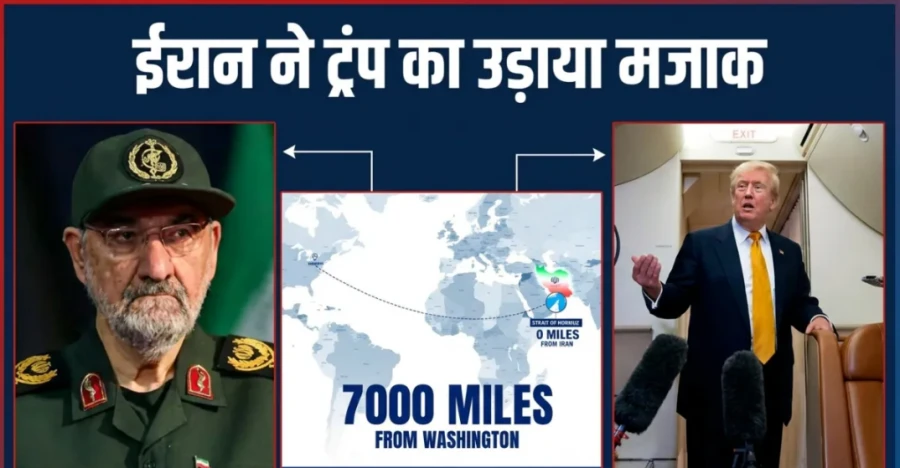
Iran has issued a formal warning to Bahrain and the United States, stating that supporting US-backed proposals will lead to serious consequences, while ibrahim Azizi, head of the Iranian Parliament's National Security Commission, emphasized on social media that the Strait of Hormuz is a vital lifeline and warned against the risk of it being closed permanently. This escalation follows recent US military actions against Iranian oil tankers in the region.
Naval Warnings and Arrests in Bahrain
The Iranian Navy and the Revolutionary Guard have warned that any attack on Iranian oil tankers or commercial vessels will be met with heavy strikes on US bases and enemy ships in the region. This warning was broadcast by Iranian state TV on Saturday, a day after the US attacked two Iranian oil tankers, while meanwhile, Bahrain, home to the US Navy's regional headquarters, announced the arrest of 41 individuals. The Ministry of Interior stated that these individuals were linked to the Revolutionary Guard and were collecting funds to assist in terrorist operations.
Military Action in Hormuz Strait and Global Impact
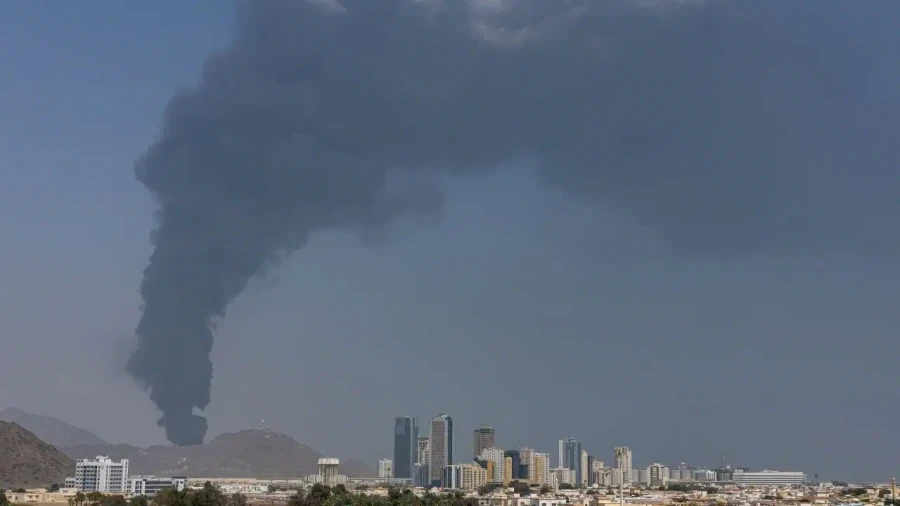
The US military stated on Friday that its forces disabled two Iranian tankers attempting to break the blockade of Iranian ports. On top of that, US forces struck Iranian military bases in the Strait of Hormuz. Since the conflict began on February 28, Iran has almost completely blocked this critical waterway, causing a massive surge in global fuel prices. US Central Command reported on Saturday that since the blockade began on April 13, its forces have turned back 58 commercial vessels and disabled four.
International Military Deployment and Diplomatic Efforts
The UK Ministry of Defence announced the deployment of the warship HMS Dragon to the Middle East to protect commercial shipping. France also declared it's sending its aircraft carrier strike group to the Red Sea, while on the diplomatic front, Pakistani Prime Minister Shehbaz Sharif, along with Russia and Saudi Arabia, is calling for a permanent agreement to end the war. Top diplomats from Egypt and Qatar reiterated that diplomacy remains the only path to a solution.
Trump's Ultimatum and Mojtaba Khamenei's Health
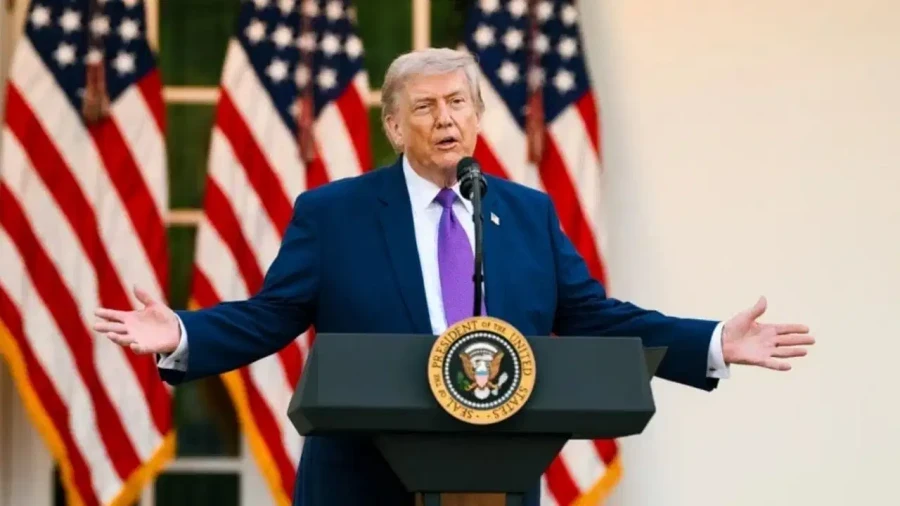
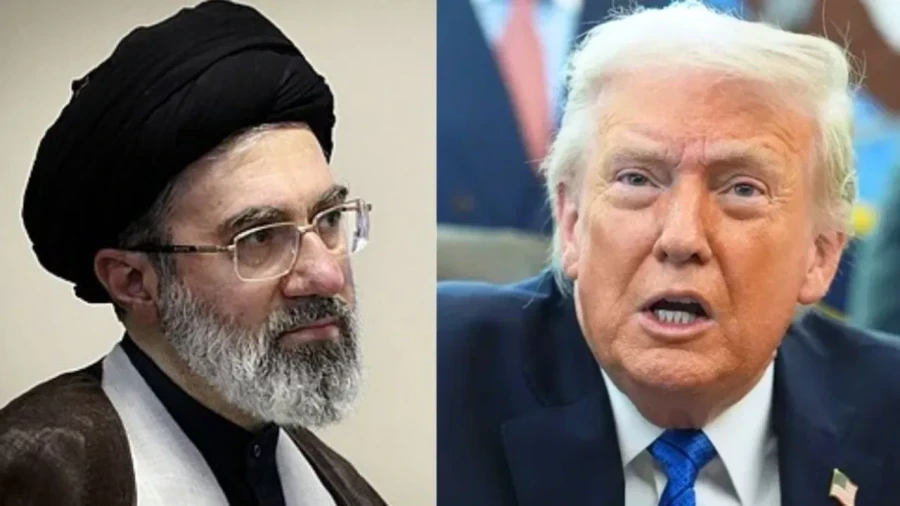
US President Donald Trump has reiterated that if Iran doesn't accept the agreement to reopen Hormuz and roll back its nuclear program, full-scale bombing will resume. Meanwhile, Iranian official Mazaher Hosseini provided an update on Supreme Leader Mojtaba Khamenei, stating he's in good health and will soon appear in public. Hosseini noted that Mojtaba had sustained knee and back injuries during the initial attacks of the war but has largely recovered from them.