
- India,
- 19-Aug-2026 11:48 AM IST



The United Arab Emirates (UAE) has taken a significant and decisive step by suspending all trade, commercial exchanges, and financial transactions with Iran until further notice. This major policy shift comes in the wake of a new missile controversy involving Iran, which has dealt a severe blow to the recently improving relations between the two neighboring nations. The UAE Ministry of Foreign Affairs announced this suspension as a direct response to security threats that have emerged in the region.
The Missile Incident and UAE Response
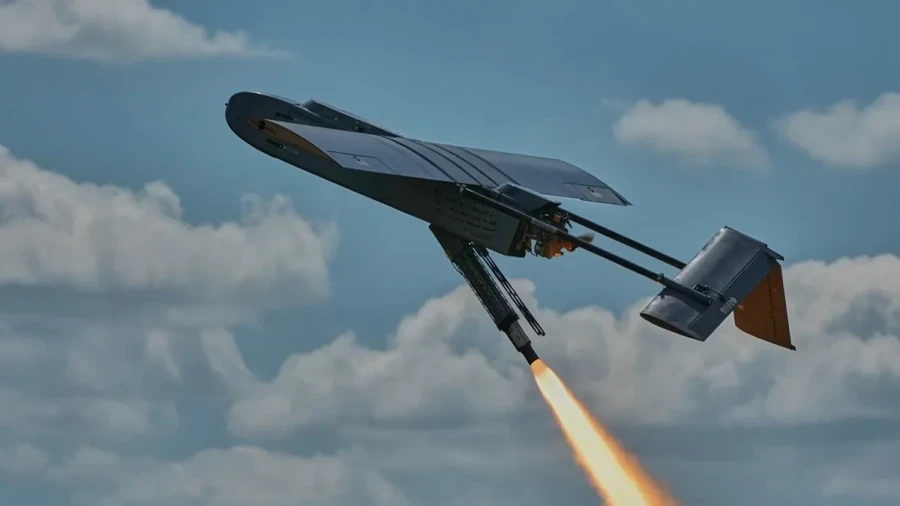
According to the UAE Ministry of Defense, its air defense systems detected two ballistic missiles fired from Iran on Tuesday, while these missiles were reportedly heading toward the UAE, prompting authorities to take immediate protective measures. As a result of this detection, a missile threat alert was briefly sent to the mobile phones of residents across the UAE to ensure public safety. The UAE authorities have stated that their investigation revealed the missiles were specifically launched to target maritime vessels in the area.
The trajectory of the missiles indicated a clear threat to maritime security. One of the missiles fell into the sea outside the UAE's territorial waters, while the second missile landed within the UAE's territorial waters. Fortunately, the UAE has confirmed that there were no reports of any damage or injuries resulting from this incident. Despite the lack of physical casualties, the intent behind the launch has been viewed with extreme seriousness by the Emirati leadership.
Iran Denies Allegations
In response to these serious accusations, Iran has officially denied launching any missiles, while the spokesperson for the Iranian Foreign Ministry, Esmaeil Baghaei, dismissed the UAE's allegations as baseless. He urged the countries in the region to avoid making such accusations, suggesting that these claims don't contribute to regional stability. This denial has created a diplomatic standoff, as the UAE remains firm on its findings regarding the missile detection and the subsequent threat to its sovereignty and maritime interests.
Economic Impact and Diplomatic Setback
The decision to sever economic ties was communicated by Afra Al Hameli, the Director of Communications at the UAE Ministry of Foreign Affairs, while she emphasized that the increasing tension in the region poses a direct threat to peace and security. Consequently, all trade, commercial exchanges, and financial transactions with Iran have been halted. The ministry has not provided a specific date for when these restrictions might be lifted, indicating that the suspension will remain in place until further notice.
This move is particularly significant because UAE-Iran relations had been showing signs of gradual improvement over the past few months. Trade activities had begun to resume, and several Iranian flights had started returning to the UAE. Business operations in Dubai were also returning to normalcy, while On top of that, approximately 20000 Iranian citizens who were outside the UAE at the start of previous conflicts had recently been allowed to return. This sudden suspension of ties effectively reverses much of the progress made in stabilizing the bilateral relationship.
Strategic Importance of the Strait of Hormuz
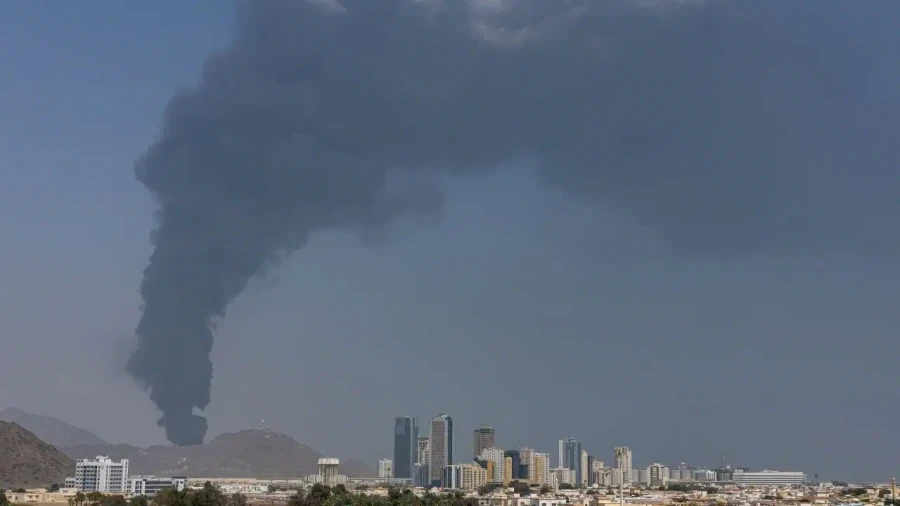
The fallout from this incident is expected to have a profound impact on the Strait of Hormuz, which is one of the world's most critical routes for oil and liquefied natural gas (LNG). Before the recent escalations, nearly one-fifth of the world's oil and LNG supply passed through this narrow waterway. However, due to the ongoing war and rising tensions in the Hormuz region, the movement of ships has Notably decreased. The UAE had previously accused Iran of targeting vessels associated with its state-owned oil company, ADNOC. While those previous incidents didn't result in injuries, they contributed to the growing atmosphere of distrust that has now culminated in the total suspension of trade and financial dealings.