
- India,
- 18-Aug-2026 08:32 PM IST



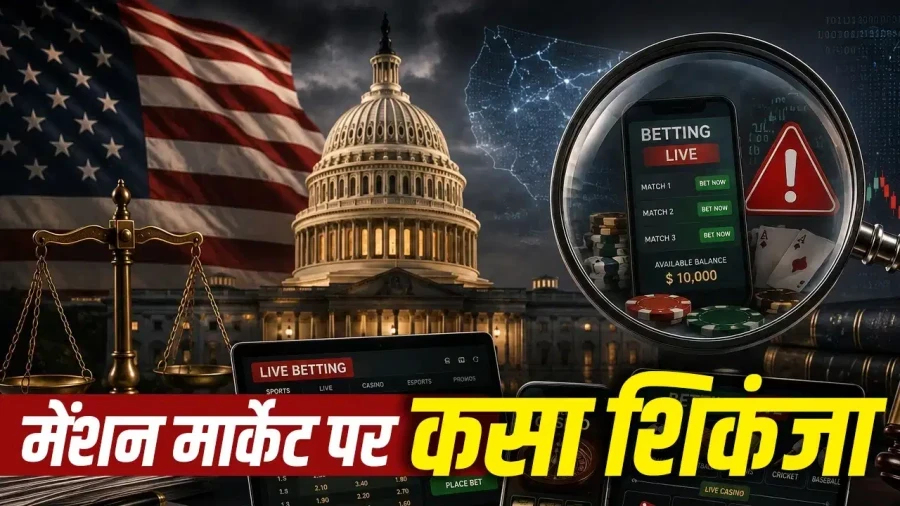
The digital betting and financial technology landscape is witnessing a significant shift with the emergence of Mention Markets. This new and controversial form of prediction market has recently come under intense scrutiny by regulators in the United States. Unlike traditional betting markets that focus on the outcomes of elections, sporting events, or economic indicators, Mention Markets allow participants to wager on the specific vocabulary used by individuals in public forums. The core concern driving the current investigation is the inherent susceptibility of these markets to manipulation and insider trading, given that the outcome depends entirely on the speech of a single person or a small group of people.
Understanding the Concept of Mention Markets
The term mention refers to the act of speaking or writing a specific word, name, or phrase, while in a Mention Market, a platform poses a specific question regarding an upcoming event, and users place bets on the potential answers. These markets typically operate on a binary yes or no basis. For instance, a market might ask whether a President will use the word tariff in their next televised address, or if a CEO will mention artificial intelligence during an earnings call. Other examples include wagering on whether a sports commentator will use the term MVP during a live broadcast or if a specific company name will be mentioned during a high-profile television interview.
If the specified word is spoken within the designated timeframe, those who bet yes receive a payout. Conversely, if the word isn't mentioned, those who bet no are the winners. While the model appears simple and engaging, it carries profound risks. The individual whose speech determines the outcome has the direct power to influence the result, creating a unique set of ethical and legal challenges that differ from standard prediction markets.
Distinction from Standard Prediction Markets
Standard prediction markets are generally based on external events that are beyond the direct control of a single participant. For example, whether a candidate wins an election or whether interest rates will rise depends on a multitude of factors and the actions of millions of people. In contrast, the outcome of a Mention Market often hinges on the linguistic choices of one individual, while a speaker can easily alter their prepared remarks, intentionally adding or removing a specific word to trigger a market outcome. Also, the speaker's inner circle, including speechwriters, assistants, producers, or teleprompter operators, may have prior knowledge of the script, giving them an unfair advantage over the general public.
The Surge in Popularity
Mention Markets have gained popularity because they blend entertainment with the potential for financial gain. Live speeches, sports broadcasts, corporate calls, and television shows already command significant public attention, while by adding a betting component to these events, platforms have found a way to increase engagement. For the platforms themselves, this represents a new business vertical that can attract users who may not be interested in traditional sports betting. Proponents of these markets argue that the words of powerful leaders and industrialists already have a tangible impact on stock markets, currency values, and cryptocurrency prices, making these predictions a legitimate form of financial analysis.
The Regulatory Investigation in the United States
The Commodity Futures Trading Commission (CFTC) in the United States is the primary body responsible for overseeing financial contracts related to prediction markets. Reports indicate that the agency is currently investigating the extent to which Mention Markets are vulnerable to manipulation. The biggest concern for regulators is the use of insider information. If an individual knows in advance what words will be included in a high-profile speech, they can place bets with near-certainty of winning. This individual could be a speechwriter, a technical staff member, a television producer, or even a member of the recording team. In such a scenario, the average user, who is merely making an educated guess, is at a severe disadvantage compared to those with inside access.
The Teleprompter Controversy
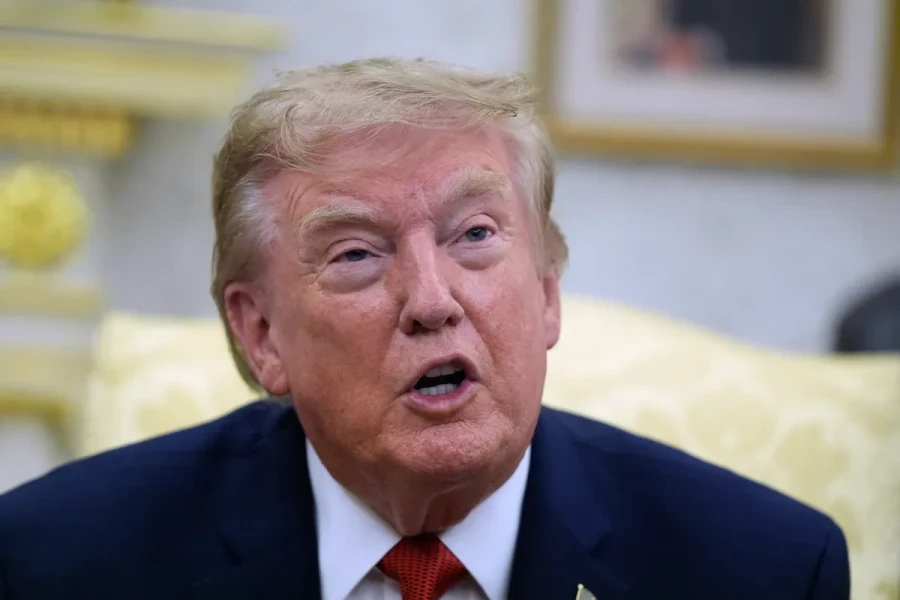
A specific incident involving a long-time teleprompter operator for Donald Trump has Notably heightened the concerns of US officials. According to various reports, an individual who managed the teleprompter for Trump's speeches allegedly placed bets on specific words appearing in those speeches and profited from them. Authorities noted that monitoring systems identified bets with suspicious timing, leading to a federal investigation, while while this case remains a subject of legal process and has not reached a final judicial conclusion, it has highlighted the ease with which those behind the scenes can exploit Mention Markets for personal gain.
Mechanisms of Manipulation
There are several ways in which Mention Markets can be manipulated. A speaker might change their words at the last minute, or a close associate might persuade them to use a particular phrase. In the case of pre-recorded interviews or shows, anyone present during the recording would know the outcome before it's made public. Corporate earnings scripts are often handled by multiple employees, any of whom could leak information. Sometimes, manipulation might not even be intentional; a CEO might make a joke or a commentator might repeat a word out of habit, yet these actions still determine the financial outcome of the bets. Brian Armstrong, the CEO of Coinbase, once demonstrated the fragility of these markets by intentionally mentioning popular crypto terms during a call to show how easily they could be influenced.
Risks of Inaccurate Reporting
Beyond insider trading, inaccurate reporting poses a significant risk to Mention Markets. During a World Cup final broadcast, a commentator reportedly mistook actor Matt Damon for Brad Pitt. This error was then reflected in some news sources. The settlement of such markets depends on pre-defined rules and sources of truth. If the source of truth is incorrect, even a user with the right information could lose their bet. This makes the clarity of contract language and the reliability of settlement sources critical for the integrity of the market.
Platforms Under the Spotlight
Two major platforms, Kalshi and Polymarket, are at the center of this evolving landscape. Kalshi, a prominent US-based prediction market, reportedly removed certain Mention Markets related to sports following the news of the investigation. These included contracts based on words spoken by commentators. However, other Mention Markets related to politics, corporate earnings, and news broadcasts have remained available in different capacities. Polymarket, another major player, has continued to offer Mention Markets on its international service, while the distinction between domestic and international offerings is a key factor in the ongoing regulatory debate.
Legal Battles Across US States
In addition to federal oversight, several US states are embroiled in legal disputes regarding prediction markets. States such as Washington, Michigan, Nevada, and Massachusetts have seen legal challenges or bans on certain markets offered by platforms like Kalshi, while some state regulators view these contracts as a form of gambling that falls under state jurisdiction, while the companies argue that their products are financial instruments governed by federal regulations. This jurisdictional tug-of-war adds another layer of complexity to the future of Mention Markets.
Perspectives from Platforms and Critics
Platform companies defend their services by stating that they provide transparent and monitored markets rather than unregulated gambling. They argue that the words of influential leaders already move global markets, and providing a venue to hedge against or profit from these movements is a valid financial activity, while they also point out that all transactions are recorded, allowing for the detection of suspicious betting patterns. On the other hand, critics argue that Mention Markets are more akin to behavioral gambling than informed investment. They worry that these markets could incentivize people to pressure speakers, buy private information, or launch online campaigns to influence speech. There are also concerns regarding consumer protection, age verification, and the psychological impact of high-speed live betting.
The Path Forward
The outcome of the CFTC investigation will likely determine the future of Mention Markets in the United States. Regulators may decide that these markets are too susceptible to manipulation to be allowed in their current form, while this could lead to the implementation of stricter rules, limits on the types of markets that can be offered, or the complete closure of certain categories. As technology, media, and betting continue to converge, the fundamental question remains: are Mention Markets a legitimate evolution of financial forecasting, or are they a dangerous gateway to insider manipulation? The increased monitoring of platforms like Kalshi and Polymarket will undoubtedly shape the entire prediction market industry for years to come.