
- India,
- 18-Aug-2026 05:43 PM IST



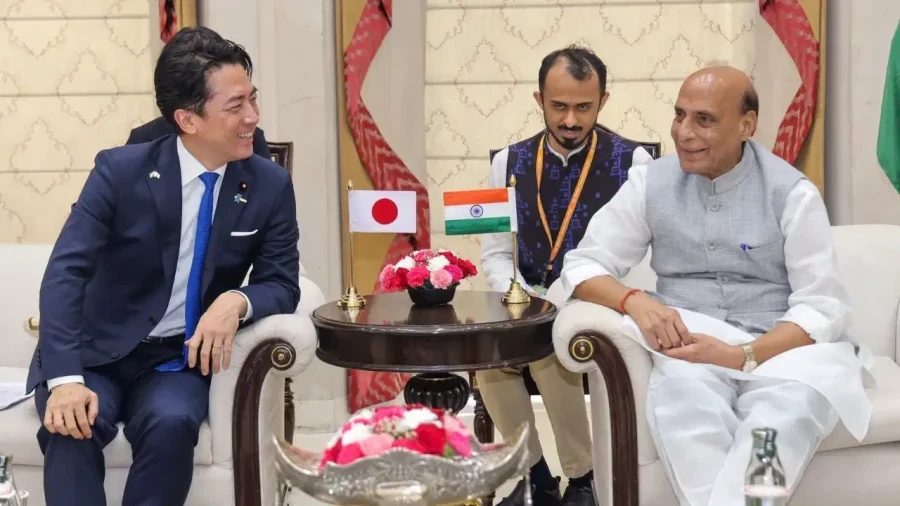
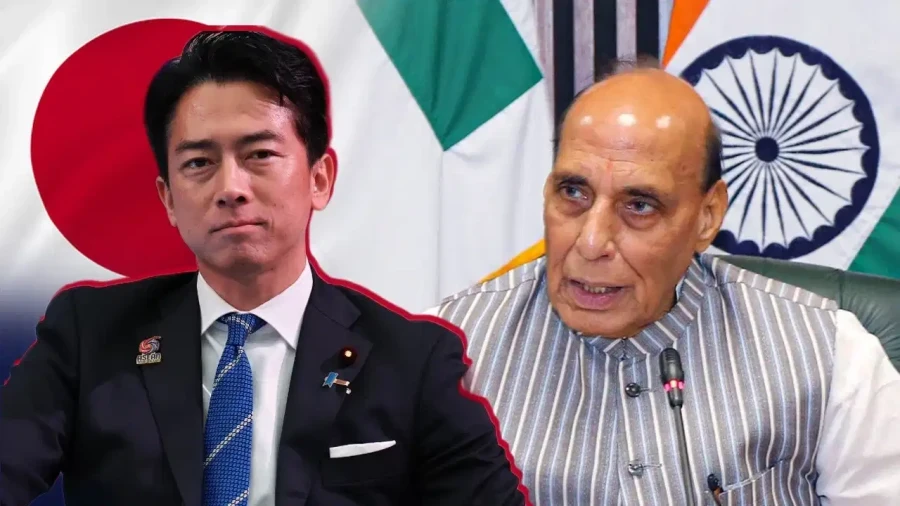
The defense cooperation between India and Japan is set to reach new heights as Japanese Defense Minister Shinjiro Koizumi is scheduled to meet with Indian Defense Minister Rajnath Singh on August 20 in New Delhi. This high-level meeting is expected to focus on a wide range of strategic issues, including the export of advanced defense equipment, military technology, joint development of drones, and the enhancement of maritime security. The visit underscores the growing synergy between the two nations as they navigate a complex global security landscape.
Itinerary and Initial Engagements
According to sources within the Ministry of Defense, Minister Koizumi will arrive in Mumbai on August 19 before heading to the capital. During his stay in Mumbai, he's slated to visit a prominent Indian Navy base, highlighting the maritime dimension of the bilateral relationship, while this visit to India marks Koizumi first official trip to the country since he assumed the role of Defense Minister in October. The transition from Mumbai to Delhi signifies the comprehensive nature of the visit, covering both operational naval interests and high-level policy discussions.
Key Agenda: UNICORN System and Advanced Technology
A primary focus of the meeting on August 20 will be the potential export of Japan UNICORN stealth communication system to India. The UNICORN, which stands for Unified Complex Radio Antenna, is an advanced communication antenna system designed to be integrated into warships. It's known for its stealth capabilities, which are crucial for modern naval warfare. Recently, both nations signed their first agreement for the joint development of the UNICORN naval radio antenna system, and this meeting will likely build upon that foundation. In addition to the UNICORN system, the two ministers are expected to discuss the joint development of unmanned aerial vehicles or drones. Strengthening maritime security and expanding defense cooperation in the Indo-Pacific region will also be top priorities. Plus, there are indications that Japan might discuss plans to send its F-2 fighter aircraft to India for the first time, which would represent a significant milestone in military-to-military engagement.
Strategic Shift: Moving Beyond US Dependency
Minister Koizumi visit to India and Australia reflects a broader shift in Japan defense strategy. Japan is increasingly looking to deepen its defense industry ties with partners like India and Australia, moving beyond its traditional reliance on the United States for defense capabilities, while analysts suggest that this shift is partly driven by the prolonged conflicts in the Middle East and the ongoing war in Ukraine, which have placed significant pressure on the arms and ammunition stockpiles of the United States and its allies. By fostering closer ties with India and Australia, Japan aims to enhance its defense production and technical cooperation, thereby diversifying its strategic partnerships.
Regional Engagements and Trilateral Cooperation
As part of his three-day tour this week, Koizumi will also visit Australia. In Australia, he's expected to participate in a trilateral meeting with the defense ministers of Australia and New Zealand, while a key topic of discussion in that forum will be the potential export of Japan upgraded Mogami-class frigates to New Zealand. This regional outreach demonstrates Japan proactive approach to building a network of security partners in the Indo-Pacific, aimed at maintaining a free, open, and rules-based regional order.
Building on Previous Dialogues
The upcoming meeting between Rajnath Singh and Shinjiro Koizumi follows the 8th India-Japan Defense Policy Dialogue held in Tokyo on July 13. That dialogue involved a comprehensive review of cooperation in areas such as cyber security, space, and advanced military technology, while the discussions on August 20 will also serve as a preparatory step for the India-Japan 2+2 ministerial dialogue scheduled for later this year. Both nations remain committed to the shared goal of strengthening a free and open Indo-Pacific, ensuring that the region remains stable and governed by international norms.