
- India,
- 19-Nov-2026 04:57 PM IST



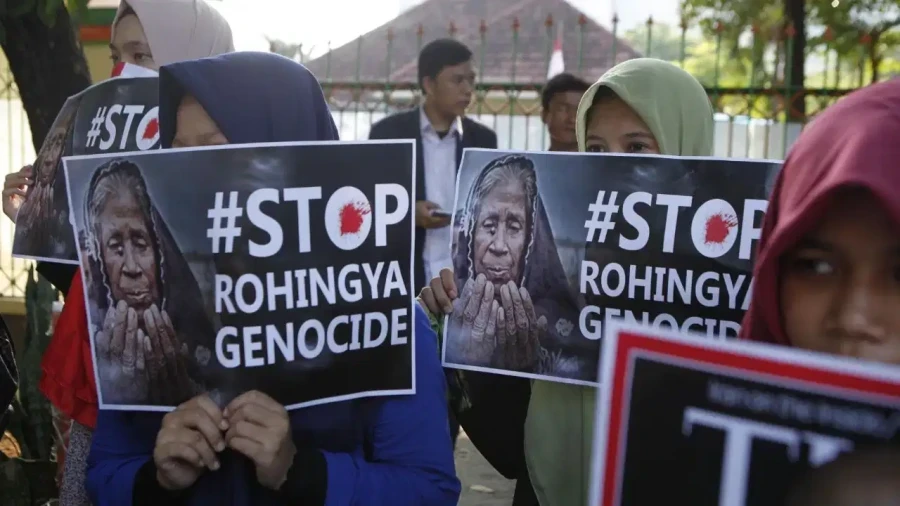
A highly significant and sensitive hearing has taken place at the International Court of Justice regarding the brutal violence unleashed against Rohingya Muslims in Myanmar back in the year 2017. According to the international court, available and concrete evidence clearly indicates that during the military crackdown executed in Myanmar in 2017, the security forces systematically killed approximately 10 thousand Rohingya people. Throughout this ruthless military operation, not only were massive numbers of lives taken, but widespread sexual violence against women was also reported, children were subjected to brutal attacks, and horrific atrocities were committed against helpless individuals desperately fleeing for their lives. This entire legal matter is considered extremely crucial and decisive for the Rohingya community, who have been relentlessly seeking international justice for nearly a decade.
Marathon Proceedings at the International Court of Justice
The high-profile case witnessed a comprehensive hearing lasting nearly three hours at the International Court of Justice. During the court proceedings, deliberations were focused on determining whether the military forces of Myanmar had indeed committed genocide against the Rohingya Muslims, while due to this extreme violence and military oppression, millions of displaced Rohingya people were compelled to abandon their ancestral homes and seek refuge in the neighboring country of Bangladesh. It was estimated that reading out the final verdict by the bench of 15 judges of this esteemed international tribunal would take approximately three hours. This entire legal dispute is fundamentally linked to the sweeping military campaign launched by security forces in the Rakhine state of Myanmar in the year 2017.
Multiple Incidents of Atrocities Had Surfaced
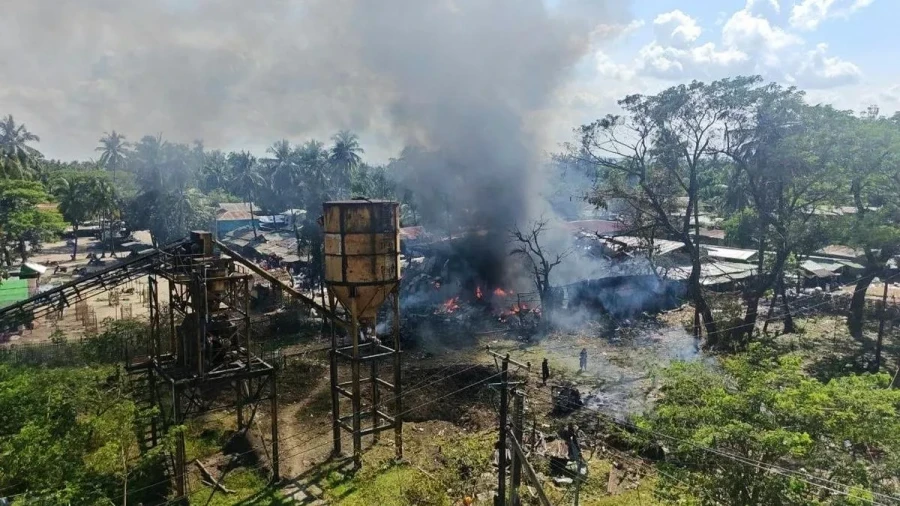
Looking back at the historical timeline, in August 2017, the Myanmar military initiated aggressive security operations following an attack orchestrated by a Rohingya insurgent group. During this extensive military intervention, multiple shocking incidents came to light, including widespread mass killings, brutal rapes of women, and the systematic burning down of residential houses. As a direct consequence of this horrifying violence, more than 7 million innocent Rohingya people were forced to flee their homes and escape across the border into Bangladesh. Taking a strong stand against these relentless atrocities and severe human rights violations inflicted upon the Rohingya community, the Muslim-majority African nation of Gambia filed a formal lawsuit against Myanmar at the International Court of Justice in the year 2019.
Serious Allegations Raised by Gambia
While filing the landmark lawsuit at the international tribunal, the nation of Gambia leveled extremely grave and serious allegations against the government and military apparatus of Myanmar. Gambia's primary legal contention was that Myanmar had blatantly and severely violated the provisions of the 1948 Genocide Convention. Presenting its case before the court, Gambia urgently demanded that, in the interest of justice, Myanmar must be ordered to immediately halt all forms of violence directed against the Rohingya community. On top of that, Gambia demanded that all individuals directly or indirectly responsible for orchestrating this genocide should be held accountable and brought to justice through stringent legal punishments.
Myanmar Defense and Official Stand
On the other hand, presenting its official defense before the international court, Myanmar strongly defended its controversial military campaign, while representatives of Myanmar argued that their military operation was by no means an act of genocide, but rather a completely justified security campaign launched to counter terrorism within the country. Myanmar categorically rejected and dismissed all allegations of genocide leveled against it before the international tribunal. Notably, this significant development and ongoing proceedings at the International Court of Justice come at a time when the court is simultaneously reviewing other prominent international conflict cases involving allegations of genocide, such as the Gaza conflict and the ongoing war in Ukraine.