
- India,
- 18-Nov-2026 08:58 PM IST



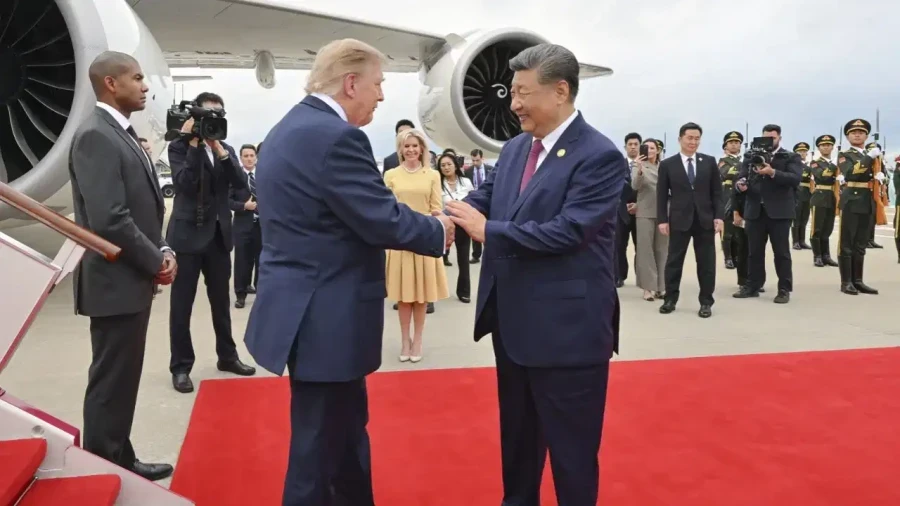
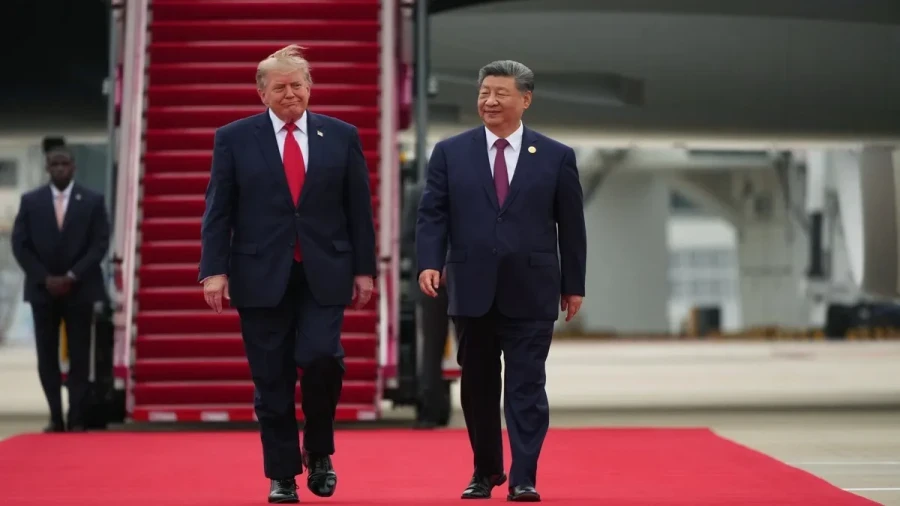
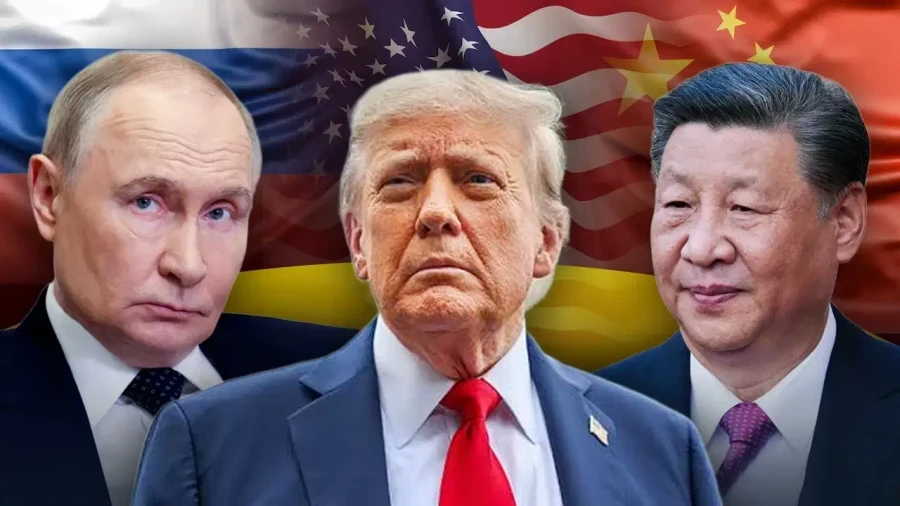
Chinese President Xi Jinping, Russian President Vladimir Putin, and US President Donald Trump are scheduled to meet on Thursday on the sidelines of the Asia-Pacific Economic Cooperation summit in Shenzhen, China, while this rare encounter between the leaders of the world's three major powers offers a direct platform for discussing global issues. Political analysts are comparing this meeting to the 1945 Yalta Conference, where US President Franklin D. Roosevelt, British Prime Minister Winston Churchill, and Soviet leader Joseph Stalin discussed dividing the world into spheres of influence following the Second World War.
The Rise of Great Power Diplomacy
In May of this year, Xi hosted Trump and Putin in Beijing, while subsequently, Trump hosted Xi in Washington in September, and he met with Putin in Alaska last year. These developments indicate that the post-Cold War emphasis on global institutions and multilateral dialogue is being replaced by direct, personal communication between great powers. This is emerging as a new global trend where China, Russia, and the US act as an informal committee influencing world affairs, while the role of Europe and other middle powers becomes increasingly limited.
Who Holds the Seat at the Table
Although China, Russia, and the US remain strategic rivals, their perspectives on managing international politics are converging. All three countries appear to prioritize direct dialogue among a few major powers over institutional frameworks and alliances. This isn't a formal alliance or a shared plan to overhaul the international order, but rather a reflection of a shared belief in the special role of great powers in managing global affairs. They seem to favor a world order where major powers have special rights and priority in decision-making, often bypassing institutional processes for high-level direct talks on issues like security and economic stability.
Europe's Diminishing Role and Challenges
The most significant impact of this shifting trend is being felt by Europe. During the third round of peace talks in Abu Dhabi this year regarding the Ukraine conflict, the Russian delegation made it clear that it seeks a new security arrangement for Europe similar to the Cold War era. Trump has also suggested that the US is working on a major deal to end the war that would involve the entire Europe. However, US special envoy Jared Kushner noted that finding a reliable interlocutor from Europe might be more difficult than convincing Russia to include Europe in the process. These statements have fueled anxiety in Europe, reinforcing the perception that the continent is divided and its influence is waning.
Options for Middle Powers
The return of great-power diplomacy doesn't mean that middle powers have become irrelevant. Countries like Canada, Australia, Japan, South Korea, and key Southeast Asian nations may lack the military capacity or geopolitical weight of the superpowers, but they possess solid institutions, networks, and alliances. Canadian Prime Minister Mark Carney has called for closer cooperation among middle powers. He argues that instead of choosing sides in great-power competition, these nations should build coalitions that bring together countries with shared interests on specific issues. Ultimately, the question raised by the Shenzhen meeting isn't just about the dominance of major powers, but how the rest of the world will navigate this changing landscape.