
- India,
- 19-Aug-2026 11:54 AM IST



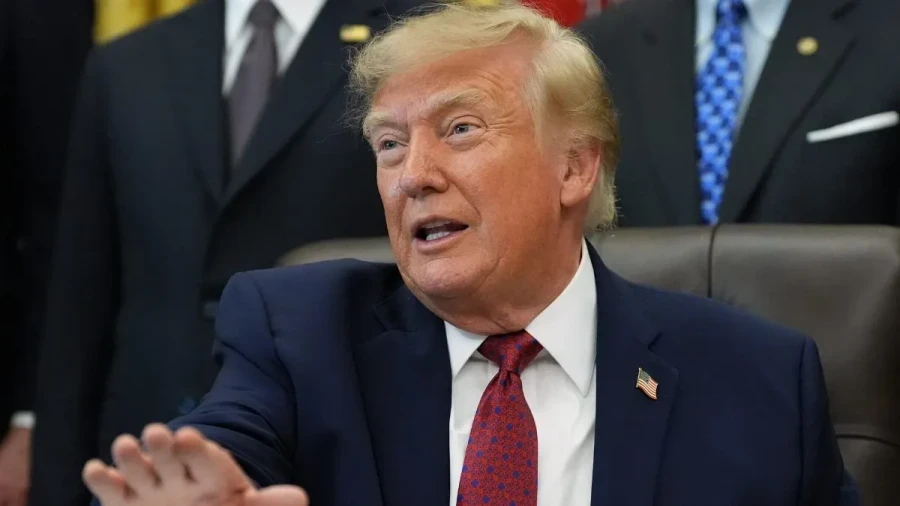
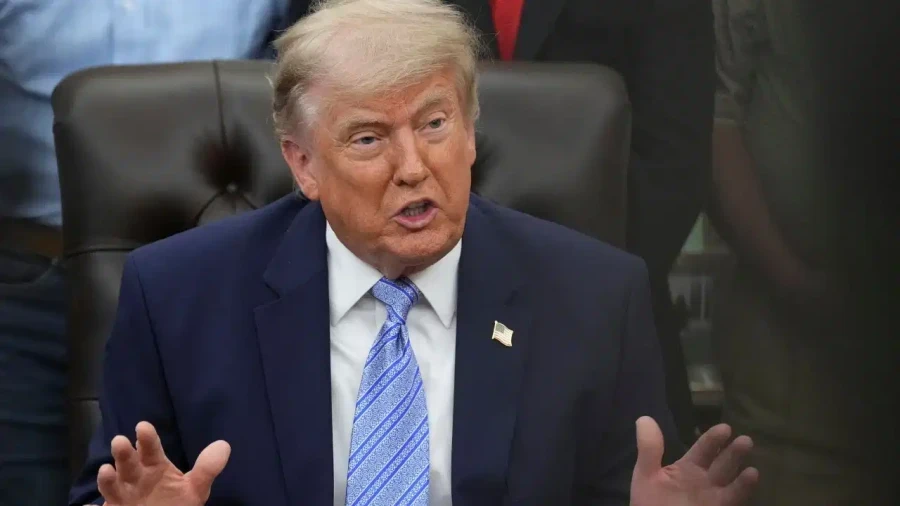
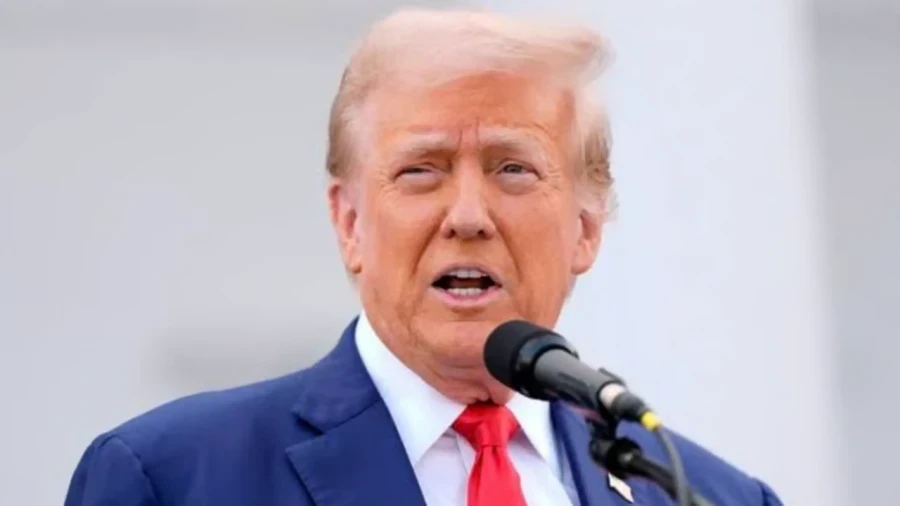
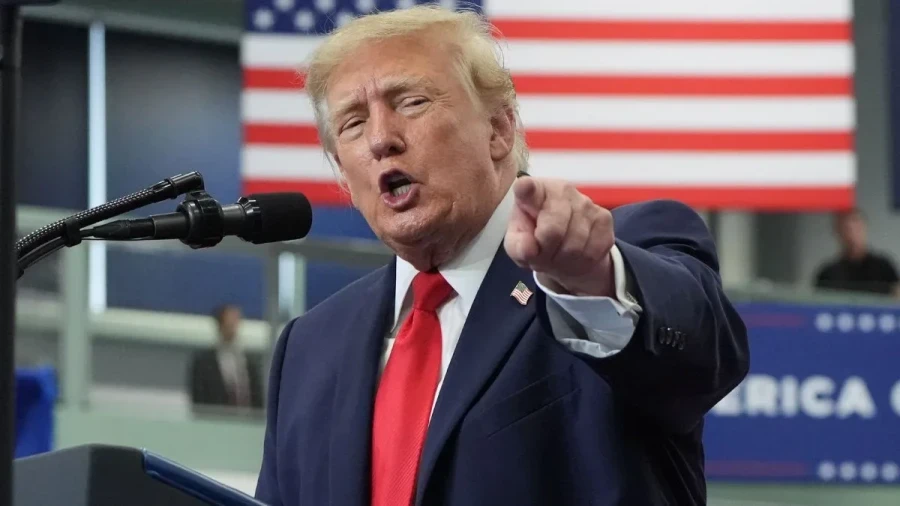
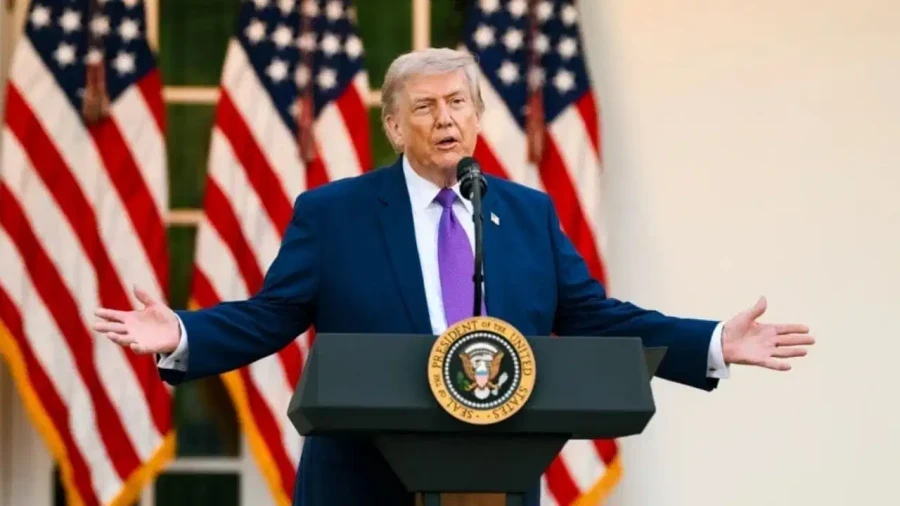
In a significant development for North American trade relations, United States President Donald Trump has announced a major breakthrough in negotiations with Canada. This last-minute agreement has led to the suspension of a proposed 50 percent tariff on Canadian goods valued at approximately 20 billion dollars. The heavy import duties were originally scheduled to take effect on the morning of August 20, but the diplomatic resolution reached between Washington and Ottawa has provided a crucial reprieve for businesses and consumers on both sides of the border. President Trump confirmed the development through his social media platform, Truth Social, signaling a temporary halt to what could have been a major trade escalation.
The High-Stakes Deadline and Diplomatic Efforts
The tension between the two nations reached a peak as a strict deadline of 12:01 PM on Wednesday was set for the implementation of the tariffs. Had the deadline passed without an agreement, a wide array of Canadian products, ranging from hockey sticks to medical supplies like tongue depressors, would have been subjected to the 50 percent tax. This move would have impacted trade worth 20 billion dollars, creating significant economic ripples. To prevent this outcome, intense negotiations took place between the two capitals. Canadian Prime Minister Mark Carney and President Trump engaged in two lengthy telephone conversations over the past 48 hours to bridge the gap. Prime Minister Carney had previously noted on Monday that the discussions were at a very delicate stage, emphasizing the need for caution before making any public statements. Ultimately, these diplomatic efforts proved successful, leading Trump to pause the tariffs for an initial period of three days to allow for the finalization of necessary legal documentation.
Key Components of the New Trade Agreement
According to the United States Trade Representative (USTR), the new agreement is designed to provide substantial benefits to the American economy. The deal includes several critical pillars such as expanded access for American goods into the Canadian market, enhanced economic security measures, and comprehensive frameworks for digital trade. The primary objective of these provisions is to safeguard the interests of the American market, its workforce, and its Canadian partners. Plus, President Trump has indicated that this agreement could pave the way for the revival of the Keystone XL Pipeline project. This major energy infrastructure project had been previously halted by former President Joe Biden, but its potential restart is now being linked to the improved trade cooperation between the two nations.
Historical Context and Border Dynamics
The trade relationship between the United States and Canada has historically been characterized by both deep integration and persistent disputes. For decades, the two countries have grappled with issues such as the importation of softwood lumber and American access to Canada's protected dairy market. Despite these recurring points of friction, the economic bond remains incredibly strong. The 5,525 mile long border between the two nations is the longest undefended border in the world, with approximately 330,000 people and 2 billion dollars worth of goods crossing it every single day. Also, about 800,000 Canadian citizens currently reside in the United States. President Trump has frequently used tariffs as a strategic tool to encourage the return of manufacturing to American soil, sometimes even using provocative rhetoric, such as suggesting Canada could become the 51st state of the US, to exert pressure during negotiations.
Trump's Broader Economic and Tariff Strategy
Throughout his second term, Donald Trump has placed tariffs at the center of his economic policy, while last year, he declared the long-standing US trade deficit a national emergency and moved to impose heavy taxes on imports from nearly every country. However, this strategy faced a legal setback in February when the US Supreme Court overturned the move, ruling that the President had exceeded his constitutional authority, while this court decision forced the federal government to issue refunds to importers who had already paid the duties. 5 percent on 59 countries, including the European Union, just last month. These duties cover approximately 99 percent of all US imports. Trump justified these measures by arguing that these nations had failed to adequately prevent the importation of products manufactured using forced labor, further cementing his stance on using trade barriers to achieve economic and social policy goals.