
- India,
- 15-Oct-2026 07:51 PM IST



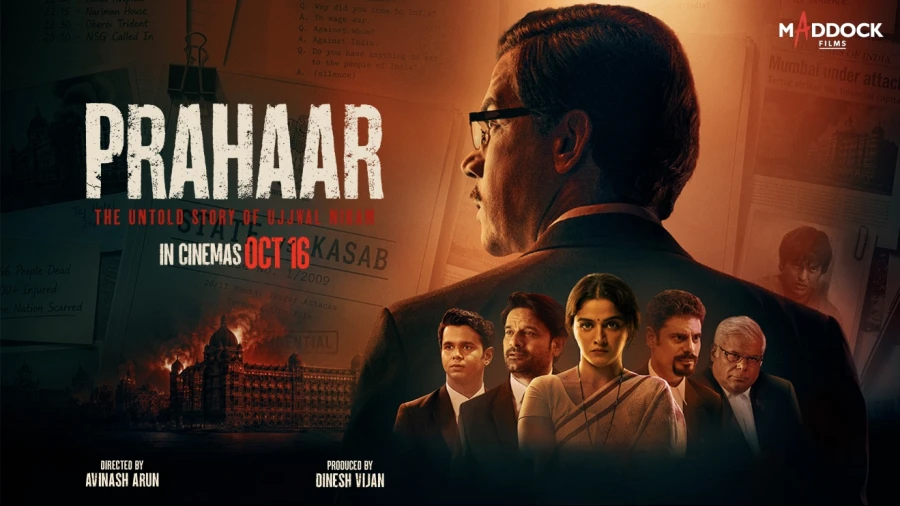
Director: Avinash Arun
Cast: Rajkummar Rao, Wamiqa Gabbi, Lalit Prabhakar, Jaideep Ahlawat, Sikandar Kher, Ashish Vidyarthi
Duration: 140 minutes
Rating: 4
Some battles are fought long after the actual tragedy has passed, and the fight for justice can be just as challenging as confronting the crime itself. Prahaar: The Untold Story of Ujjwal Nikam explores this difficult journey, taking viewers into the courtroom proceedings that followed the 26/11 Mumbai terror attacks. Directed by Avinash Arun, the film shifts attention from the horrors that shook the nation to the legal struggle that followed, highlighting the determination and patience required to pursue accountability. Alongside the courtroom tension, it examines the personal sacrifices of a prosecutor whose professional responsibilities often overshadow his family life. The result is a drama that attempts to balance the gravity of a significant legal battle with the emotional complexities of the man at its centre.
The narrative follows the proceedings surrounding Ajmal Kasab's trial, while also touching upon the 1993 Bombay bombings case. Rajkummar Rao plays prosecutor Ujjwal Nikam, with Lalit Prabhakar portraying Kasab and Sikandar Kher appearing as the defence lawyer. Jaideep Ahlawat essays a Pakistani public prosecutor who arrives in India as part of a special council to examine the case. Wamiqa Gabbi plays Jyoti Nikam, while Ashish Vidyarthi portrays Justice M. L. Tahiliyani. Beyond the courtroom exchanges, the film explores how a demanding profession can shape personal relationships and leave lasting consequences for the people closest to those involved.
Rajkummar Rao anchors the film with a performance that is firm, measured and convincing. Rather than turning Nikam into an exaggerated cinematic hero, he relies on controlled expressions, precise dialogue delivery and a commanding presence to convey the prosecutor's determination. The courtroom confrontations, particularly the arguments involving Kasab, provide some of the film's most engaging moments. Rao is equally effective when the narrative moves into Nikam's personal life, revealing the emotional struggles of a man who can handle intense professional pressure but finds it difficult to communicate his feelings at home. This contrast adds depth to the character and gives the performance a relatable human quality.
One of the film's most significant emotional threads is Nikam's relationship with his son, Aniket. After completing his law studies, Aniket joins his father as an intern, hoping to learn from him and gain his approval. However, Nikam maintains strict professional boundaries, treating his son like any other junior lawyer. Their interactions expose the tension between a father who believes discipline is essential and a son who longs for affection and recognition. This conflict brings an intimate dimension to the courtroom drama, showing how a career built around responsibility can leave personal relationships struggling for attention.
Lalit Prabhakar makes a strong impression as Kasab, bringing an unsettling quality to the character. His confession monologue towards the end stands out as a particularly memorable sequence. Sikandar Kher lends restraint to the defence lawyer, while Jaideep Ahlawat brings authority and depth to the Pakistani public prosecutor. Wamiqa Gabbi adds warmth to Jyoti Nikam, portraying the emotional challenges of living with a husband whose work rarely leaves him free from professional obligations. Ashish Vidyarthi lends gravitas to the proceedings as Justice M. L. Tahiliyani. The supporting cast complements the central performance and gives the legal drama additional weight.
Avinash Arun adopts a controlled directorial approach, allowing the courtroom proceedings to build tension through arguments, evidence and character interactions. The writing is sharp in several exchanges, ensuring that the legal confrontations remain engaging without making every scene feel like a dramatic declaration. The film also makes space for quieter emotional moments, helping balance the seriousness of the case with the personal struggles surrounding it. The background score enhances suspense during crucial confrontations and adds weight to emotional scenes without overpowering the performances. This measured treatment generally works in the film's favour, keeping the narrative focused on its central conflict.
Produced by Dinesh Vijan under the Maddock Films banner, Prahaar explores a different cinematic space from productions such as Badlapur, Mimi and Stree. This time, the emphasis is on a real-life legal battle and the prolonged pursuit of accountability following a national tragedy. Arun largely keeps the treatment grounded, focusing on the courtroom struggle and the human consequences of a life devoted to justice.
Prahaar: The Untold Story of Ujjwal Nikam makes for an engaging courtroom drama that finds its strength in its performances and its exploration of the sacrifices behind the pursuit of justice. Rajkummar Rao leads with conviction, while the supporting cast adds substance to the legal proceedings and family conflicts. The film's appeal lies in its attempt to look beyond a verdict and examine the years of effort, personal compromises and emotional resilience required to reach that point. While the courtroom provides the central conflict, the human story gives it lasting relevance. For viewers who enjoy serious legal dramas driven by strong performances and meaningful themes, Prahaar is worth a watch.