
- India,
- 18-Jun-2026 07:54 AM IST



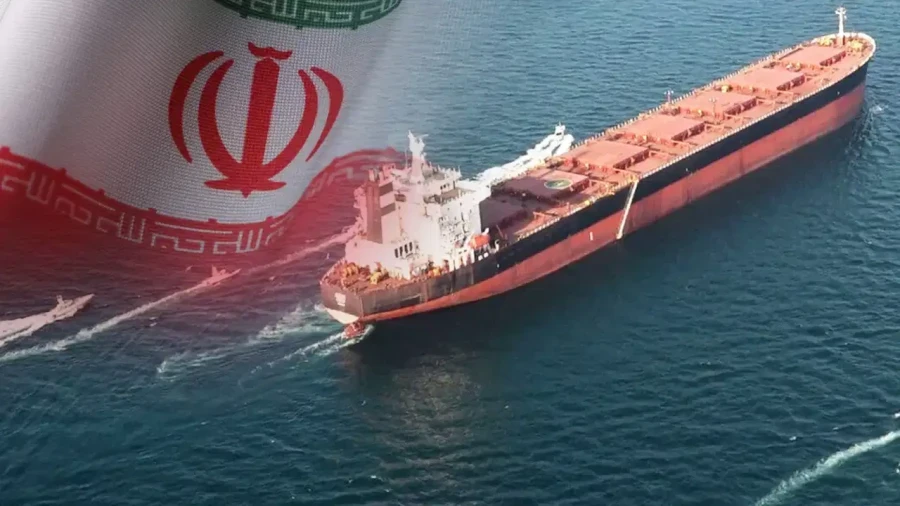
The geopolitical landscape of the Middle East is witnessing a significant shift as the United Arab Emirates (UAE) moves to safeguard its energy exports from regional volatility. Since late February, when the United States and Israel initiated military operations against Iran, the strategic importance of the Strait of Hormuz has been thrust into the global spotlight. The closure of this vital waterway has disrupted energy supplies worldwide, prompting the UAE to accelerate a massive and ambitious plan to reduce its dependence on this route to zero. This move comes at a time when the world is anxiously waiting for the full reopening of the Strait following an interim peace agreement between Iran and the United States.
The Vision for Zero Dependence
Thani Al Zeyoudi, the UAE Minister of Foreign Trade, has articulated a clear vision for the nation's future logistics. In a recent interview, he emphasized that the UAE is moving toward a state where the openness of the Strait of Hormuz will no longer dictate the country's economic stability. Al Zeyoudi stated that the goal is to reach zero dependence on the Strait, regardless of whether the passage remains open or closed. While the UAE hopes for a swift and permanent reopening of the waterway, the government is committed to its new strategic plan, which will proceed without interruption. This proactive approach is a response to the vulnerabilities exposed by the recent conflict, which saw the Strait effectively blocked after the commencement of hostilities in February.
Expanding Eastern Infrastructure
A cornerstone of the UAE's strategy involves the massive expansion of its eastern ports, which are strategically located outside the Strait of Hormuz on the coast of the Gulf of Oman. Key locations such as Dibba, Fujairah, and Khor Fakkan are slated for significant upgrades. According to Al Zeyoudi, the plan includes not only the expansion of existing facilities but also the construction of at least one entirely new port on the same coastline. This infrastructure push is supported by heavy investments in new pipelines, as well as extensive rail and road networks. These projects are designed to enhance connectivity between the eastern ports and the country's primary oil and gas fields, ensuring that energy products can reach global markets without passing through the Persian Gulf's narrow exit.
Strategic Pipelines and Energy Exports
The UAE has already demonstrated the effectiveness of bypassing the Strait. The country utilized an existing pipeline with a capacity of 1500000 barrels per day to transport crude oil to its eastern coast. In mid-May, the government announced plans to accelerate the construction of a second pipeline aimed at doubling the crude oil export capacity through Fujairah. On top of that, the UAE is considering the feasibility of a third petroleum pipeline. Beyond crude oil, the government is exploring options to secure the export of petrochemicals, LNG, and other energy products, while while the exact costs and timelines for these multi-billion dollar projects are still being finalized during the planning phase, the strategic direction is firmly established. Al Zeyoudi noted that difficult times often reveal weaknesses, providing an opportunity to address them through comprehensive feasibility studies.
Economic Challenges and Logistics
Despite the ambitious nature of the plan, transitioning away from the Strait of Hormuz presents significant challenges. Before the conflict, approximately one-fifth of the world's crude oil and LNG passed through the Strait, and its closure has already contributed to global inflation. For the UAE, while pipelines can handle crude and refined oil, transporting goods like LNG and aluminum to the eastern coast is more complex. On top of that, the UAE remains heavily reliant on its Persian Gulf ports, such as Jebel Ali in Dubai, which serves as the largest container hub outside of Asia. Moving imported goods from eastern ports to major urban centers like Dubai and Abu Dhabi via trucks would Notably increase costs. However, the UAE plans to mitigate these expenses through a major expansion of its railway network, ensuring that Jebel Ali and Abu Dhabi's Khalifa Port remain central hubs for redistribution.
Geopolitical Impact and Resilience
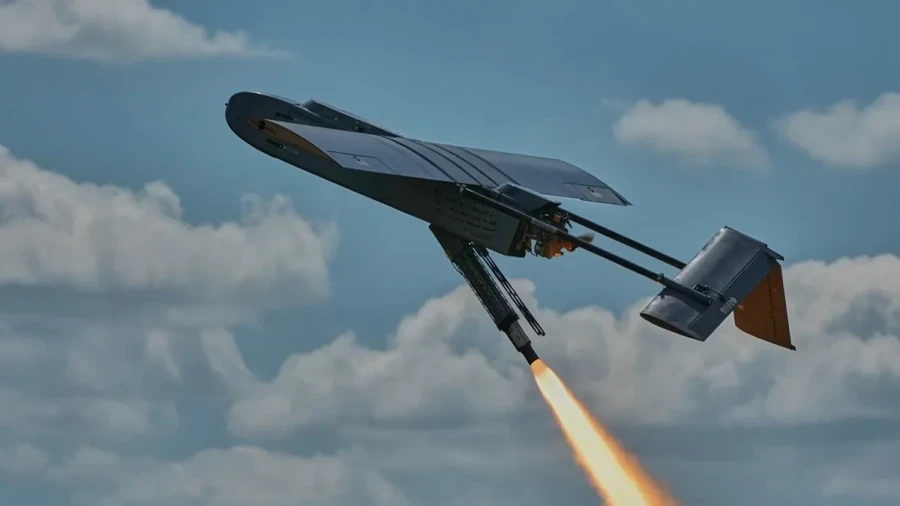
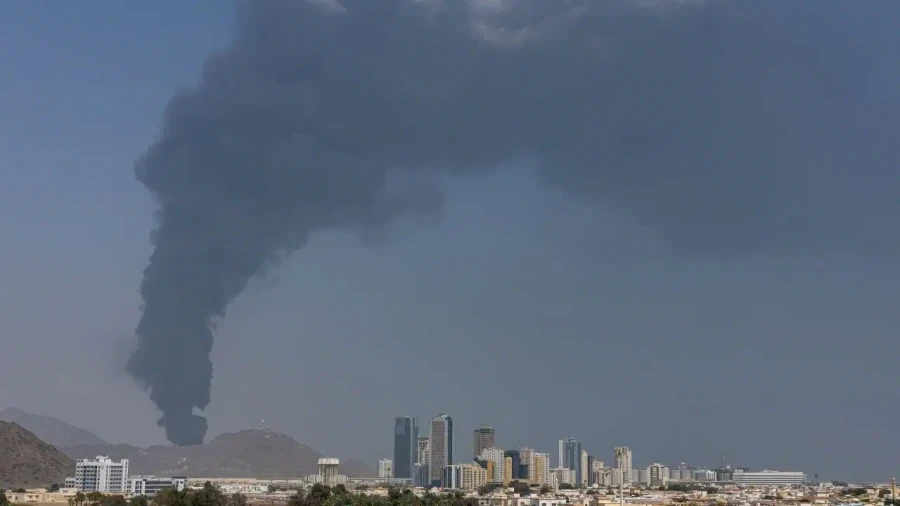
The conflict has had a direct impact on the UAE, which has traditionally maintained an economy based on free trade and maritime movement while staying out of Middle Eastern wars. During the hostilities, Iran launched approximately 3000 drones and ballistic missiles toward the UAE, a scale of attack unprecedented for the nation. Although the majority of these threats were intercepted, some strikes caused damage to essential energy and port facilities, including those in Fujairah. In response, the UAE utilized air cargo to maintain the flow of essential goods, despite the higher costs compared to sea routes. The country also coordinated with ports in nations like Egypt and India to facilitate cargo clearance. Throughout this period, the UAE has maintained its diplomatic stance, calling on Iran to reopen the Strait and allow unrestricted movement, while opposing any attempts by Tehran to impose navigation fees after the war ends.