
- India,
- 14-Jun-2026 05:08 PM IST



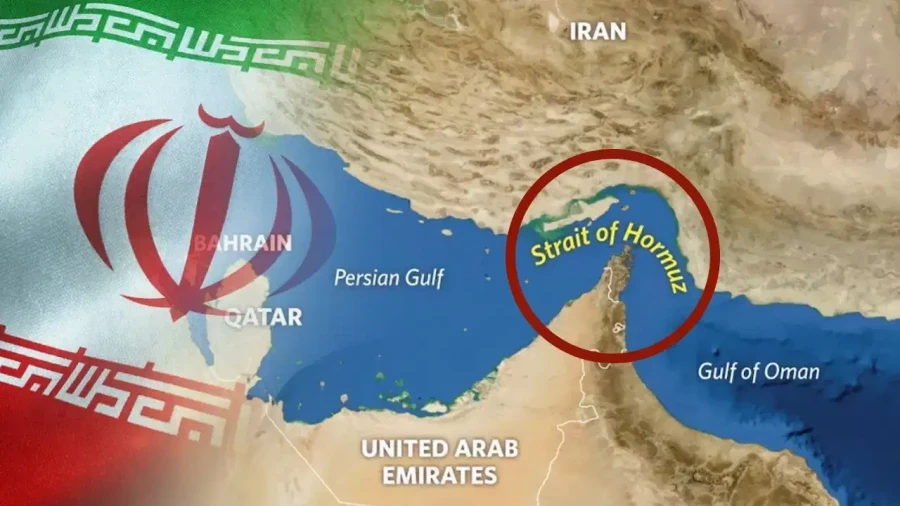
The Strait of Hormuz has once again emerged as a central point of global discussion amidst rising tensions in the Middle East. This narrow waterway, which connects the Persian Gulf to the Arabian Sea and the Indian Ocean, is considered vital not only for global energy supplies but also for the economies of the Gulf nations. A significant portion of the world's total maritime oil trade passes through this strategic route, making its stability a matter of international concern.
Impact on Oil and Gas Exports
Experts suggest that if the Strait of Hormuz remains completely open and secure, the primary beneficiaries are Saudi Arabia and the United Arab Emirates (UAE). The economies of both nations are heavily reliant on the export of oil and gas. Consequently, any disruption in this maritime route directly impacts their national income. Saudi Arabia and the UAE are among the world's largest oil exporters, sending millions of barrels of crude oil to global markets daily, most of which must traverse the Strait of Hormuz.
When tensions or blockages occur in this passage, oil exports begin to suffer. The movement of vessels slows down, and shipping companies often begin searching for alternative routes, while however, when the strait is open, both countries can work with their full production and export capacities. This stability in the route ensures a steady flow of government revenue and provides the necessary momentum for various economic development plans.
Boosting Non-Oil Trade and Infrastructure
The significance of Hormuz extends beyond oil transportation. For Gulf countries, this maritime route is also the primary gateway for importing essential goods such as food grains, machinery, electronic equipment, and construction materials. If the Strait of Hormuz remains obstructed for an extended period, the entire supply chain could be severely affected. This could lead to increased costs for construction projects and impact the availability of essential commodities.
With the strait open, the supply of these goods remains normal, benefiting domestic industries and large-scale infrastructure projects. This is particularly crucial for ambitious development programs like Saudi Arabia's Vision 2030, which requires a easy and efficient supply chain system to meet its goals. The continuity of trade ensures that these long-term national projects stay on track without facing logistical bottlenecks.
Reduction in Shipping and Insurance Costs
Increased tension in the Middle East often prompts maritime transport companies to raise insurance premiums and freight charges for vessels due to the perceived risks. This financial burden falls on both exporters and importers. Conversely, when the Strait of Hormuz is secure and open, the risks associated with maritime transport decrease Notably. As a result, insurance costs and shipping fees are reduced.
This reduction in operational costs improves the profit margins of oil companies and makes imported goods relatively cheaper. Experts point out that the decrease in trading costs provides additional strength to the regional economy, allowing for more competitive pricing in international markets and reducing inflationary pressures on imported items.
Maintaining Global Market Share
A prolonged closure of the strait could force major global oil buyers to look toward other nations to meet their energy requirements, while alternative producers such as the United States, Brazil, Guyana, and various African countries could stand to benefit from such a shift. In such a scenario, Saudi Arabia and the UAE face the risk of losing their traditional customers.
However, as long as the strait remains open, both nations can maintain their strong presence in the global market and reclaim any share lost to competitors. Energy market analysts emphasize that maintaining consistency in exports is vital for the long-term strategic interests of Gulf nations. It ensures they remain the preferred partners for large energy importers like India, China, Japan, and South Korea.
The Strategic Advantage of the UAE
The United Arab Emirates possesses a specific infrastructure that provides it with an added layer of security compared to some other Gulf nations, while the UAE's Habshan-Fujairah pipeline is designed to bypass the Strait of Hormuz, transporting crude oil directly to the Gulf of Oman. This allows the UAE to continue exporting a portion of its oil even if the strait faces disruptions. Despite this advantage, experts agree that an open strait provides the UAE with much broader benefits, including enhanced export capacity and smoother non-oil trade.
Regional and Global Stability
The importance of the Strait of Hormuz isn't just economic but also highly strategic. Its openness ensures stability in global energy supplies and reduces the likelihood of extreme volatility in oil prices, while since major energy importers like India, China, Japan, and South Korea rely heavily on this route, the benefits of stability in Hormuz extend far beyond the Gulf, supporting the health of the entire global economy.