
- India,
- 03-Aug-2026 03:53 PM IST



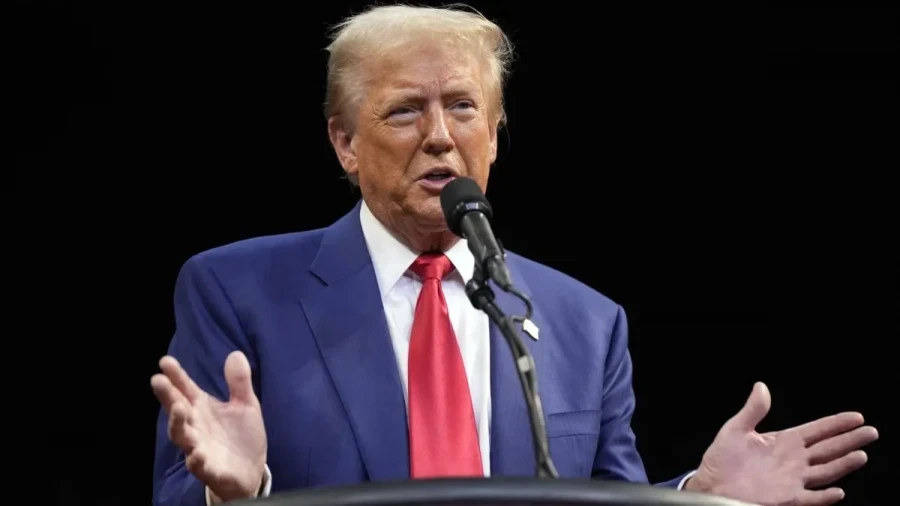
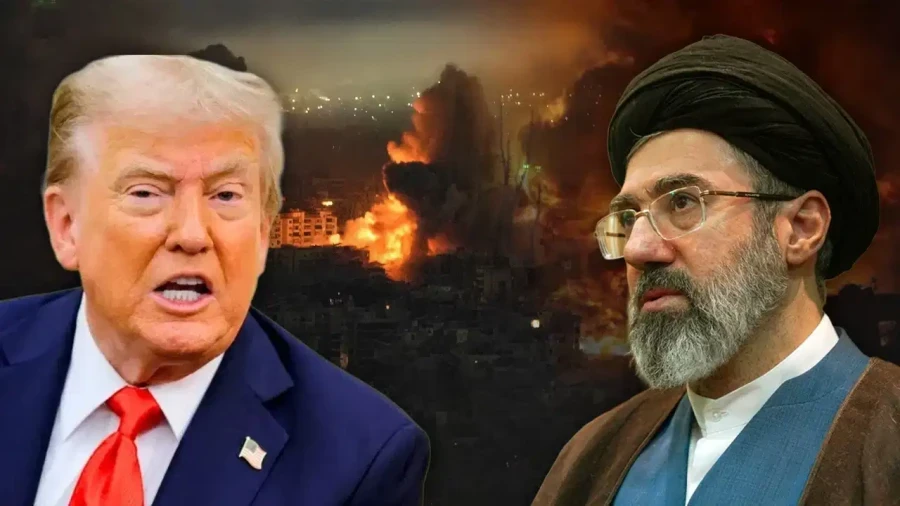
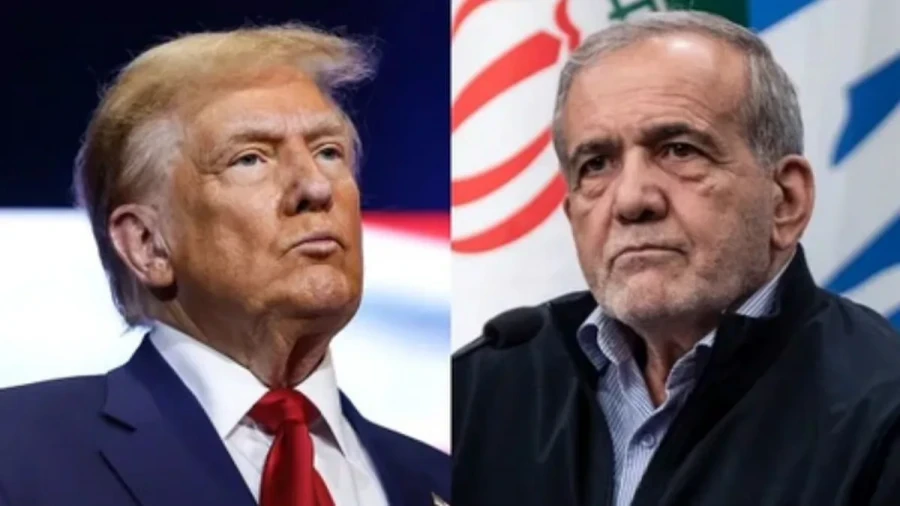
United States President Donald Trump has issued a significant statement regarding the ongoing tensions with Iran, indicating that while the possibility of a military strike remains on the table, his primary objective is to find a peaceful resolution through dialogue. Speaking with journalists aboard Air Force One, the President emphasized his desire to avoid the loss of human life, suggesting that a diplomatic agreement could prevent a major conflict. Trump clarified the stance of the United States by stating that the military has the capability to take action at any moment, but he's choosing to prioritize negotiations to ensure that lives are spared, while he noted that if a deal is reached, many lives would be saved, highlighting his preference for a non-violent outcome despite the readiness of the American military forces.
Indirect Negotiations to Resume on Monday
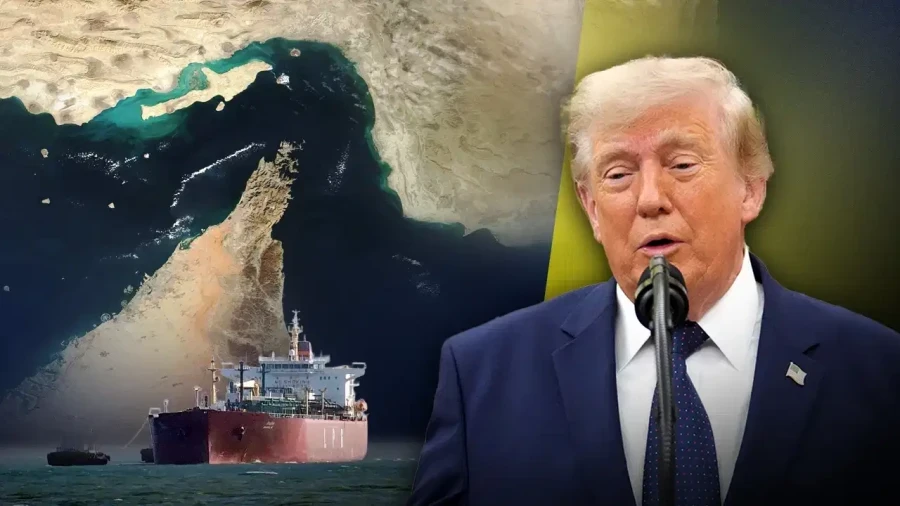
President Trump revealed that indirect talks between the United States and Iran are set to commence this Monday. These negotiations will be conducted through mediators, although the President didn't specify the location of these talks or the specific individuals who would be representing the involved parties. The agenda for these discussions is expected to be comprehensive, covering critical issues that have long been points of contention between the two nations. Among the primary topics for negotiation are the situation in the Strait of Hormuz and the status of Iran's nuclear program. The Strait of Hormuz is a vital maritime passage for global oil shipments, and its security is a major concern for international trade and regional stability. The nuclear program remains a central pillar of the diplomatic friction, with the United States seeking to address its concerns through these upcoming indirect channels.
Iran's Diplomatic Engagement with Oman
While the United States prepares for indirect talks, Iran has been engaged in its own diplomatic efforts. Ismaeil Baghaei, the spokesperson for the Iranian Foreign Ministry, confirmed that discussions are currently ongoing with Oman regarding the Strait of Hormuz. Baghaei reported that there has been some progress in these talks, particularly concerning the establishment of temporary movement and transit through the strait. However, he was quick to point out that an agreement with Oman alone wouldn't be sufficient to fully open the strait or resolve the current tensions, while according to the Iranian spokesperson, the status quo won't change as long as what he described as aggressive actions by the United States continue. This suggests that while regional cooperation is being sought, the broader geopolitical conflict with the US remains a significant hurdle.
Iran Denies Direct Talks with the United States
Despite President Trump's announcement regarding the resumption of indirect negotiations, the Iranian Foreign Ministry has maintained a firm stance on the nature of their engagement with Washington. Ismaeil Baghaei stated that there are currently no direct talks taking place with the United States. He further clarified that Iran has no immediate plans to send a diplomatic delegation to the US, nor is it prepared to host any American delegation in Tehran. This denial highlights the complexity of the diplomatic landscape, where mediators play a crucial role in bridging the gap between the two adversaries who aren't yet ready for direct face-to-face communication, while the reliance on indirect channels underscores the deep-seated mistrust that continues to define the relationship between the two countries.
Global Oil Prices React to De-escalation Signals
The international energy markets responded immediately to President Trump's announcement regarding the postponement of a potential military strike in favor of dialogue. Following the news, global crude oil prices experienced a sharp decline of approximately 5 percent. Brent crude, the international benchmark, saw a drop of 4 dollars and 8 cents, which represents a 4 point 64 percent decrease, bringing the price down to 83 dollars and 85 cents per barrel. Similarly, West Texas Intermediate (WTI) crude fell by 4 dollars and 1 cent, a 4 point 74 percent decline, settling at 80 dollars and 66 cents per barrel. This significant market correction follows a period of high volatility; just last month, both benchmarks had surged by more than 20 percent following US strikes on Iran and reports of Iranian attacks on tankers near Oman. The current price drop reflects the market's relief at the prospect of a diplomatic path forward, reducing the immediate fear of supply disruptions in the Middle East.