
- India,
- 03-Aug-2026 03:49 PM IST



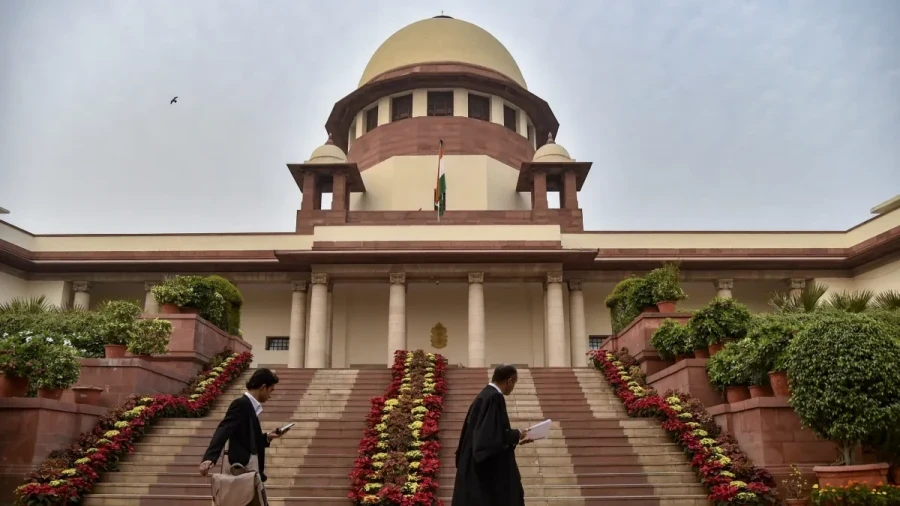
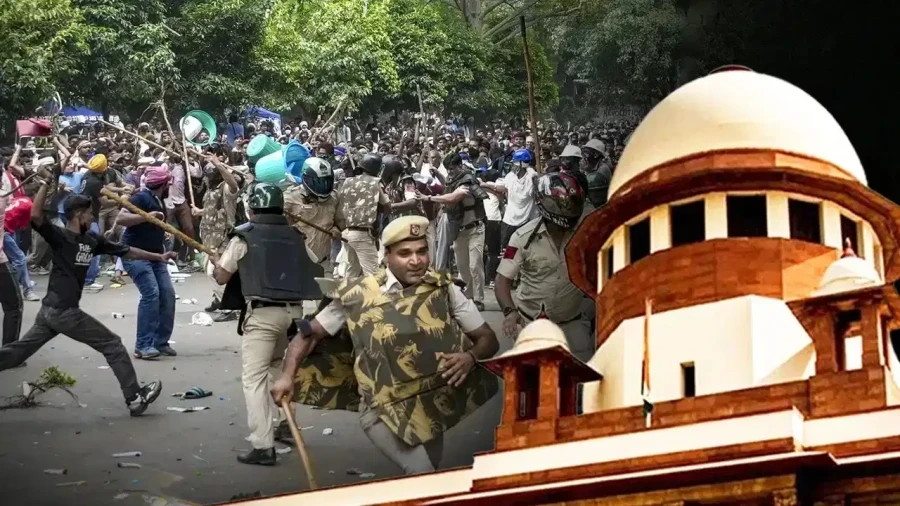
The Supreme Court of India has delivered a significant ruling regarding the petitions related to the violence that occurred during the Cockroach Janta Party (CJP) protests. During the hearing, the top court made a crucial observation, stating that while protesters facing minor charges or those involved in demonstrations for political reasons may receive relief, those accused of serious and heinous crimes won't be spared. The court clarified that state governments now have the discretion to either terminate or withdraw cases registered against protesters, provided the charges aren't of a grave nature, while this decision marks a pivotal shift in how the legal system addresses the aftermath of large-scale public demonstrations and the subsequent legal actions taken against participants.
Modification of the Previous Order
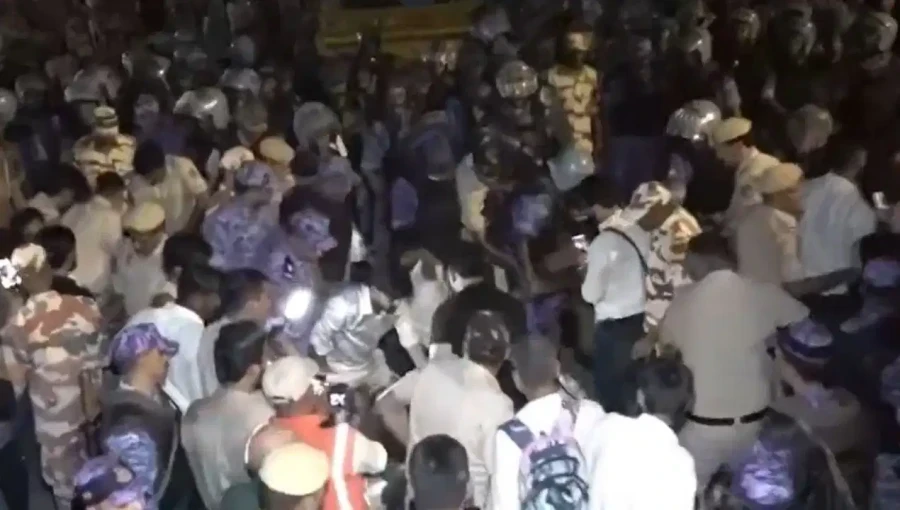
In a notable move, the Supreme Court modified its own previous order concerning the lathi-charge incident involving students, while the bench emphasized that individuals involved in serious criminal activities wouldn't be eligible for any relief. This modification grants states the authority to withdraw cases, effectively allowing them to end legal proceedings against certain protesters, while the court has scheduled the next hearing for this matter on 19 August. The Supreme Court clarified that the term 'protesters with a criminal history' in its previous order specifically referred to those individuals who are accused of serious and heinous crimes, such as murder. This means that those who participated in protests for political reasons or are facing minor allegations will be eligible for relief. Solicitor General Tushar Mehta, representing the Central Government, stated that the government remains fully committed to its earlier promise regarding the FIRs filed against the protesters.
Clarification on the 28 July Order
The Supreme Court further clarified that with respect to the order dated 28 July, Delhi and any other state are free to close or withdraw FIRs registered against protesters. The Chief Justice of India (CJI) modified the previous order to specify that the term 'criminal history' denotes serious and heinous offenses. This clarification is intended to ensure that the legal process doesn't unfairly penalize those involved in democratic protests while ensuring that actual criminals don't escape justice.
Arguments and Court Responses
During the proceedings, Advocate Gopal raised several concerns, stating that they had identified police personnel who weren't in uniform or whose activities were questionable. He argued that the case directly involves the conduct of students and the police, noting that very serious violations had occurred, while gopal alleged that 'goons' were involved in the police action and that the response should account for this. He emphasized that no one has a license to commit atrocities. Senior Advocate Abhishek Manu Singhvi suggested that the bench should issue directions on various aspects for a comprehensive response, otherwise, the necessary answers might not be provided. Gopal added that the court's order needed further clarification, mentioning that they had identified the police officers who took action. He insisted that the affidavit should disclose who was responsible for directing the Rapid Action Force (RAF).
Accountability of Police Officials
The legal representatives argued that instructions should be sent to the Police Commissioner and the RAF Director, questioning how they permitted the use of pellet guns and lathi-charges. They contended that the police can't be allowed to function in such a manner and presented video evidence to the court. The court's attention was drawn to the gravity of the matter, with a demand that these questions be answered in the official affidavit, while solicitor General Tushar Mehta pointed out that many individuals in the protest already had prior criminal records for offenses including rape and murder. Mehta stated that he had shared a list with Vrinda Grover, which included cases under the POCSO Act, rape, and murder, clarifying that there were no cases related to simple driving violations among them.
Privacy Concerns and Surveillance
Advocate Hariharan raised the issue of large-scale facial surveillance conducted at the protest site without any consent. He argued that this was a violation of the right to privacy and questioned the legality of how Aadhaar data was utilized and how long this data would be retained, while advocate Vrinda Grover questioned the use of pellet guns in Delhi, noting that they were used here after Jammu and Kashmir. She sought clarity on whether there was an official order for their use. The CJI directed the Solicitor General to provide clarity on the use of pellet guns in the response. On top of that, the Chief Secretaries of various states appeared online, and the CJI directed them to file their respective affidavits, while the Central Government clarified that FIRs against more than 2700 people who have records of serious and heinous crimes won't be withdrawn. In the next hearing on 19 August, the Supreme Court will consider the issue of the Special Investigation Team (SIT), examine the response regarding pellet guns, and review the progress made by the Center and States in the process of withdrawing FIRs.