
- India,
- 21-Aug-2026 10:59 PM IST



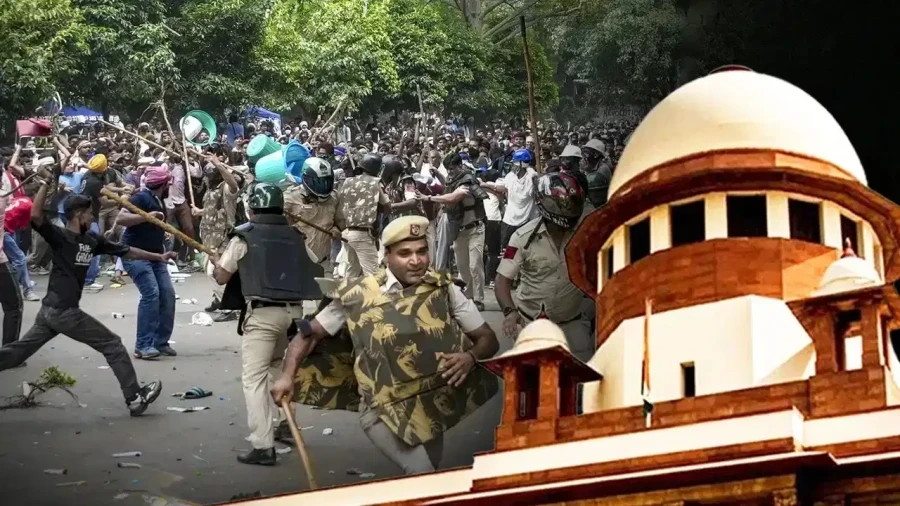
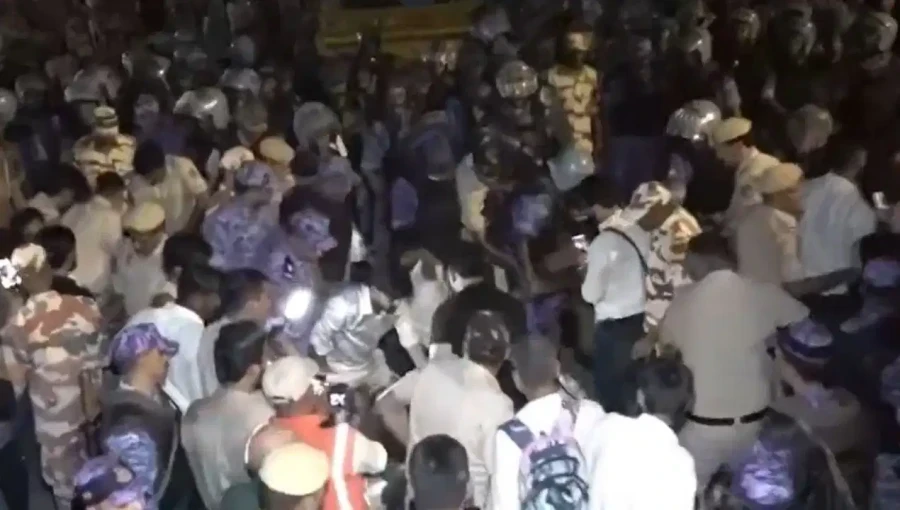
A significant protest is currently unfolding at Delhi's Jantar Mantar, where a large number of protesters from non-reserved categories have gathered to voice their grievances. These demonstrators, primarily belonging to upper castes, have come together to oppose the University Grants Commission's (UGC) new equity rules. Organized under the banner of the 'Reservation Reform Movement', the protest has seen participation from various organizations, including the 'General Sena' and 'Chanakya Sena' from Rajasthan, as well as the 'Karni Sena', while the primary objective of this gathering is to demand comprehensive reforms in the existing caste-based reservation system and to challenge the implementation of specific UGC guidelines.
Security Measures and Atmosphere at the Protest Site
The protest took place amidst a complex situation regarding official permissions. Despite the uncertainties, the atmosphere at Jantar Mantar was charged with religious and social fervor. Protesters were seen reciting the Hanuman Chalisa and raising religious slogans throughout the event. To maintain law and order, the Delhi Police implemented strict security measures and restrictions. Heavy barricading was placed around the perimeter of Jantar Mantar to control the movement of the crowd. A large contingent of security personnel, including officers from the Delhi Police, the Rapid Action Force (RAF), and the Indo-Tibetan Border Police (ITBP), was deployed at the site to prevent any untoward incidents.
Demands for SC/ST Act Reform and White Paper
One of the central themes of the protest was the opposition to the SC/ST Act. Several protesters demanded the withdrawal of the act, alleging that it's being misused against certain sections of society. They emphasized that laws shouldn't be used as tools for harassment and urged the government to take necessary steps to prevent such misuse. Plus, the demonstrators have placed a formal demand for the government to release a 'White Paper' regarding the current reservation benefits being provided, while this demand stems from a desire for transparency and a detailed review of how reservation policies are impacting different segments of the population.
The Debate Over Sub-Quotas and Creamy Layer
The protesters also raised concerns regarding the 'quota within quota' system. They questioned the government's stance on not implementing the 'creamy layer' criteria within these sub-quotas. The demonstrators expressed their dissatisfaction, asking why the government is hesitant to apply the creamy layer principle in this context. They alleged that the government is yielding to the pressure of certain Dalit leaders who, according to the protesters, only represent the interests of their specific caste groups rather than the broader community. This aspect of the protest highlights the deep-seated disagreements over the internal mechanics of reservation policies.
Response to Funding Allegations and Crowd Participation
Addressing rumors and narratives surrounding the protest, the 'Reservation Reform Movement' clarified its position through social media. In a post on their X handle, the organization stated that they don't receive any funding from political parties or foreign agencies. They categorically denied allegations that the crowd at Jantar Mantar was paid to attend. According to the organizers, the thousands of people who joined the protest did so voluntarily to ensure fairness in the system and to secure the future of the country. They claimed that the massive turnout has debunked the narrative that such protests fail to attract significant public participation.