
- India,
- 11-Oct-2026 01:31 PM IST



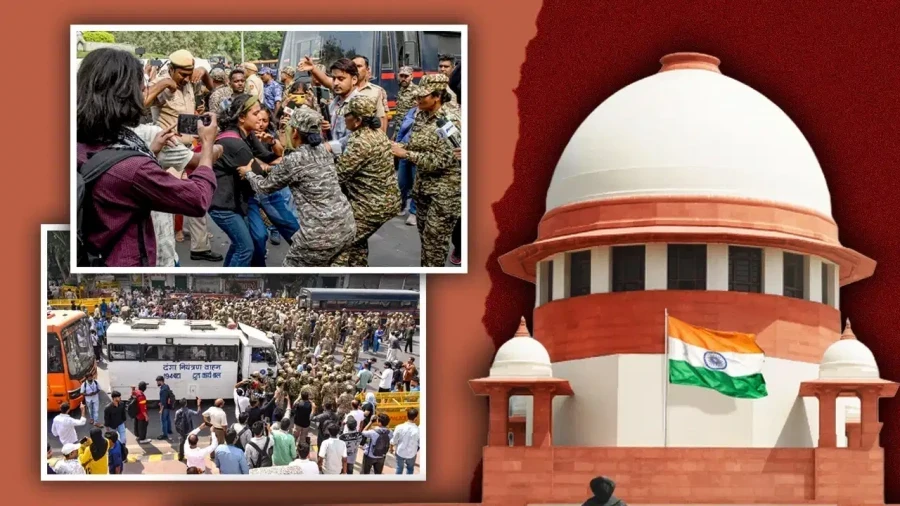
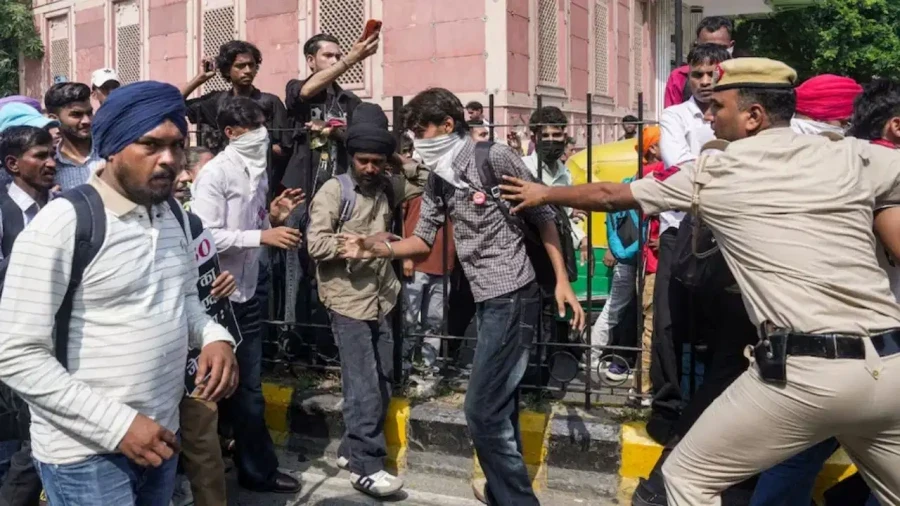
The National Citizen Party (NCP) of Bangladesh, the influential group that spearheaded the student-led movement resulting in the ousting of former Prime Minister Sheikh Hasina, has officially extended its support to the Cockroach Janta Party (CJP) in India. The CJP is currently leading an agitation against the Special Intensive Revision (SIR) of voter lists, alleging significant irregularities in the electoral process. NCP coordinator Nahid Islam has voiced deep concern over the recent crackdown on protesters in Delhi, framing the movement as a critical battle for democratic values within the South Asian region.
Solidarity with Indian Youth and Democratic Forces
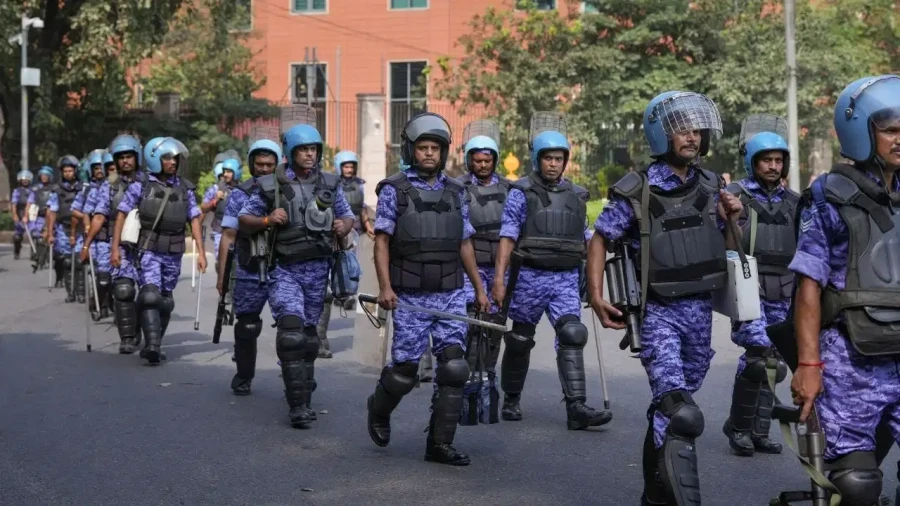
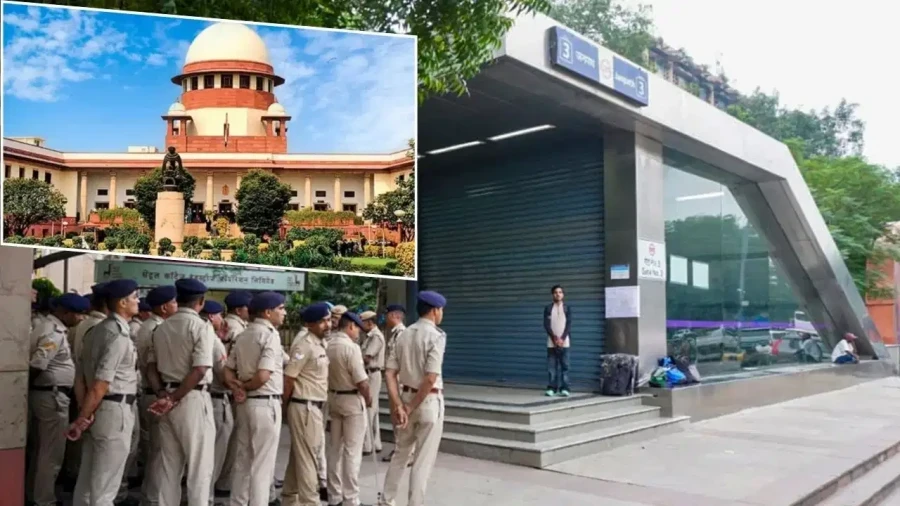
Nahid Islam, a prominent leader of the NCP, released a comprehensive statement on social media platforms to express solidarity with the youth and democratic forces in India, while this declaration comes at a time when the CJP had called for a massive mobilization at Jantar Mantar in New Delhi. The NCP leader highlighted the reported detention of thousands of protesters, the suspension of internet services, and the imposition of strict restrictions at the protest site as direct threats to fundamental freedoms. He emphasized that the demand for electoral accountability and institutional independence requires transparent answers rather than barricades and censorship.
Drawing Parallels with the July 2024 Uprising
In his message, Nahid Islam drew significant parallels between the current situation in India and the July 2024 uprising in Bangladesh. He noted that the student-led movement against recruitment quotas in Bangladesh eventually transformed into a nationwide rebellion against 15 years of autocratic rule. According to Islam, the United Nations estimated that approximately 1400 people lost their lives during the rebellion and the subsequent attempts to suppress it. He expressed deep gratitude for the support shown by Indian students, writers, and independent voices during the Bangladeshi uprising, stating that the struggles of both nations are deeply interconnected.
Recognition of India's Protest Traditions
The NCP coordinator acknowledged the rich tradition of democratic protest in India, specifically mentioning the women of Shaheen Bagh who stood in the freezing cold of Delhi to protect equal citizenship rights. He also lauded the generations of students at Jawaharlal Nehru University (JNU) and Jadavpur University for maintaining a culture of organized resistance. Islam pointed out that the courage of young Indian women currently on the streets mirrors the role of women in the July Revolution in Bangladesh, where their sacrifices were instrumental in achieving victory.
A Vision for South Asia
Nahid Islam articulated a vision for South Asia that rejects Hindutva majoritarianism, fascism, and any form of religious superiority, while he stated that the future of the region should be based on communal harmony and social justice, transcending barriers of religion, caste, gender, or class. He argued that no society can be truly democratic if minorities live in fear, dissent is criminalized, and citizenship is dependent on identity, while Plus, he appealed to Indian authorities to respect the right to peaceful assembly, release those detained for exercising their rights, and ensure that journalists can report without fear or the seizure of their equipment.
Demands and Regional Issues
The NCP statement also touched upon broader regional concerns, including border killings, water sharing, environmental protection, and national sovereignty. Islam called for a South Asia where nations treat each other as equals and governments remain accountable to their people. He specifically mentioned the cases of young leaders like Sharjeel Imam and Umar Khalid, who have been imprisoned for years without trial, identifying them as fellow travelers in the struggle for justice, while the CJP, meanwhile, continues to demand the resignation of Chief Election Commissioner Gyanesh Kumar, citing the alleged irregularities in the SIR process. Despite the police denying permission for the gathering on Saturday, the CJP organizers have called for another assembly at Jantar Mantar on Sunday, October 11.