
- India,
- 11-Oct-2026 01:36 PM IST



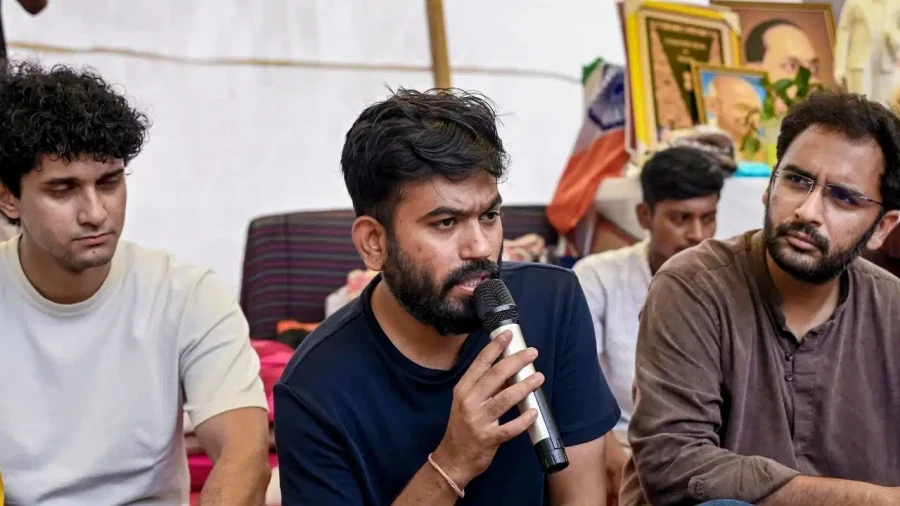
In a significant legal and political development, the prominent leaders of the Cockroach Janta Party (CJP) have been released from custody following their detention over the weekend. Abhijit Dipke, Ashutosh Ranka, and Sourav Das, who are central figures within the party, were granted their freedom under specific conditions aimed at maintaining public order. The primary stipulation for their release is a legal commitment that they won't engage in any activities that could potentially disrupt peace and harmony for a period of at least 1 year. This decision comes after the leaders were produced before an Executive Magistrate at the Delhi Cantt Police Station today.
Details of the Conditional Release and Legal Proceedings
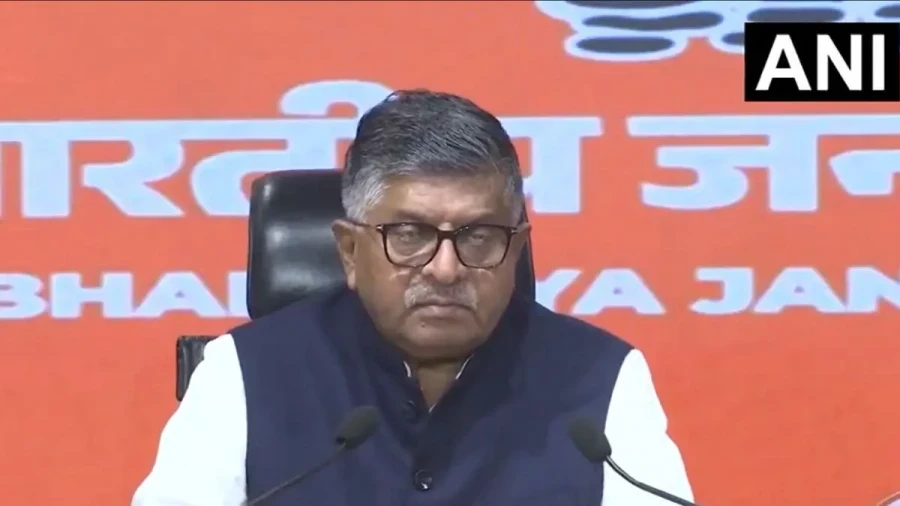
The release of Cockroach Janta Party founder Abhijit Dipke, along with Sourav Das and Ashutosh Ranka, marks a pivotal moment in the ongoing friction between the party and the authorities. The condition imposed on them is strict: they must refrain from any conduct that might lead to a breach of peace for the next 1 year. The legal process reached its conclusion today when the three leaders were presented at the Delhi Cantt Police Station, while following the proceedings, CJP National Spokesperson Ashutosh Ranka announced that he would be addressing the media in a press conference scheduled for 2 PM today to provide further insights into their detention and the party's future course of action.
Background of the Detention at Delhi Airport
The sequence of events leading to this release began on Saturday when the three leaders were taken into custody by the police. Abhijit Dipke, Ashutosh Ranka, and Sourav Das were intercepted and detained at the Delhi airport immediately after they deboarded their flight. The detention was part of a broader police strategy to manage a large-scale protest organized by the CJP. Ratna Singh, the Legal Head of the CJP, had been providing regular updates on the situation. She confirmed through a social media post that she was informed by a Delhi Police official about the leaders being produced before the Executive Magistrate. Ratna Singh, along with a team of lawyers, was present at the police station to represent the detained leaders and ensure the legal process was followed.
Massive Police Action and Protests Against the CEC
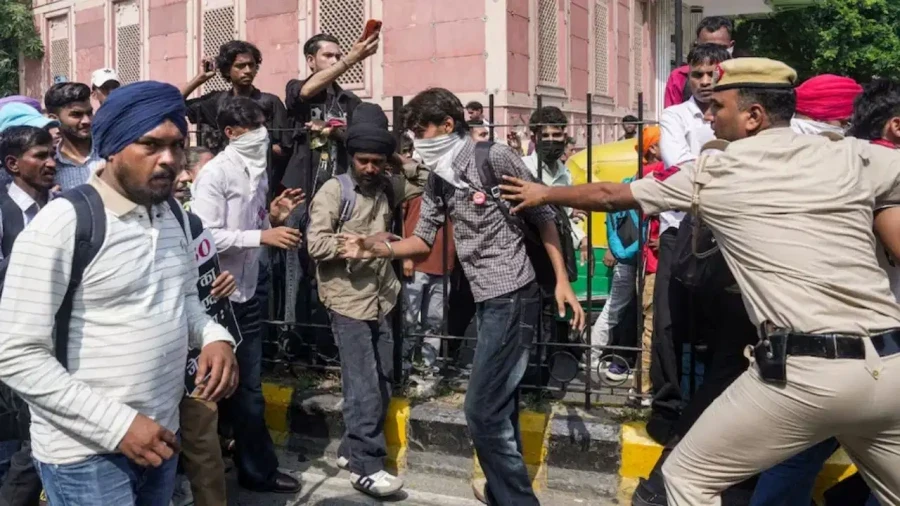
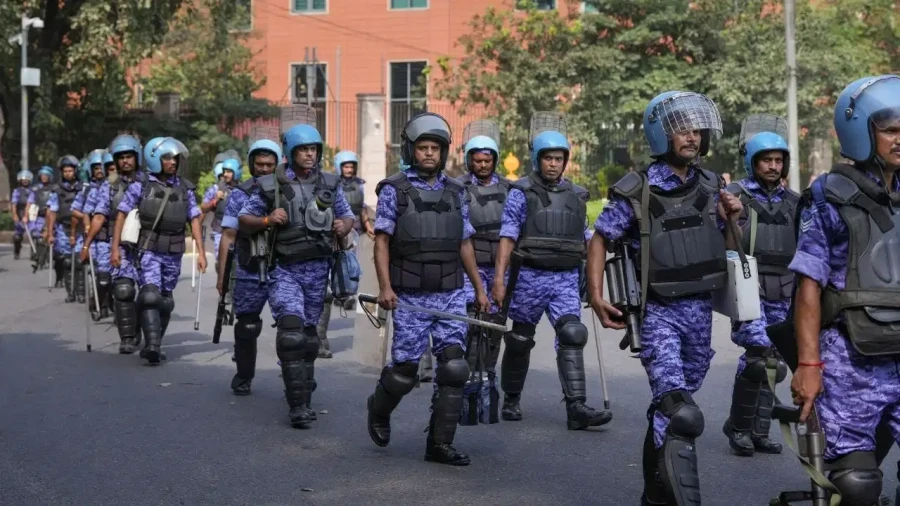
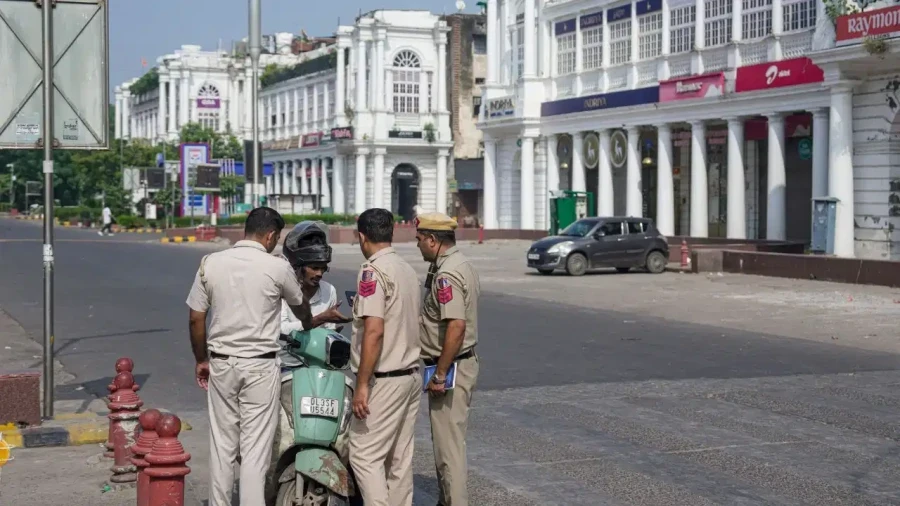
The detention of the CJP leaders was part of a massive crackdown by the Delhi Police on Saturday. The authorities took action to prevent a major protest demonstration in the capital, resulting in the detention of over 1000 individuals. Among those detained were four former Chief Ministers, CJP founder Abhijit Dipke, and the well-known YouTuber Dhruv Rathee, while the protest had been called by the Cockroach Janta Party to voice their opposition against the Chief Election Commissioner, Gyanesh Kumar. The CJP has leveled serious allegations against the CEC, claiming irregularities and discrepancies in the Special Interactive Revision (SIR) of the voter list. The party maintains that these alleged errors in the voter list revision process undermine the democratic framework.
Supreme Court Intervention and Special Hearing
The legal battle has now reached the highest court of the land. The Supreme Court of India is scheduled to conduct a special hearing today regarding two petitions filed in the wake of the police action and the restrictions imposed on public transport during the CJP protests. A three-judge bench comprising Chief Justice Surya Kant, Justice Joymalya Bagchi, and Justice V. Mohana will preside over the matters. The first petition seeks contempt of court proceedings against the government, alleging that the authorities violated court directives by shutting down Delhi Metro stations and restricting train services, despite previous orders that public transport shouldn't be entirely halted due to protests, while the second petition is a Habeas Corpus plea challenging the preventive detention of various opposition leaders, lawyers, and journalists, and seeking their immediate release from custody.