
- India,
- 11-Oct-2026 01:24 PM IST



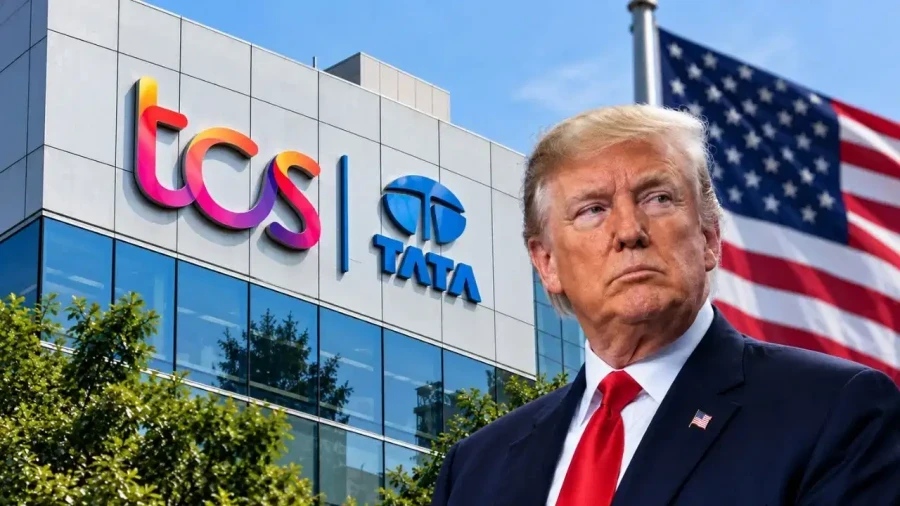
In a significant development for the global technology sector, major Indian IT companies are currently facing a suspension from the United States Permanent Labor Certification program. This action, which was initiated by the US administration on Thursday, involves eight prominent IT firms that have been suspended from the program used to apply for Green Cards for foreign employees. The list of companies affected by this decision includes industry leaders such as Tata Consultancy Services (TCS), Infosys, Wipro, and HCL Tech. Also, other global entities that employ a large number of Indian professionals, such as Capgemini, Cognizant, Microsoft, and Adobe, have also been included in this suspension. The primary allegation from the US administration is that this specific program has been contributing to a reduction in employment opportunities for American citizens, prompting a restrictive stance on foreign labor certifications.
Analysis of Declining Green Card Applications
Despite the gravity of the suspension, an analysis of the Permanent Labor Certification (PERM) applications suggests that the actual impact on the operations of these Indian IT giants may not be as severe as initially feared. The data reveals a consistent and sharp decline in the number of Green Card applications filed by these companies over the recent years. For instance, Tata Consultancy Services (TCS) filed only 2 applications for Green Cards in the US fiscal year 2026. This is a massive drop compared to the 513 applications filed by the company in the fiscal year 2025 and the 1804 applications filed in the fiscal year 2024. This downward trend indicates that the companies had already begun reducing their reliance on this specific certification process long before the suspension was announced.
Company Specific Data and Trends
The trend of reduced applications is visible across other major players as well, while hCL Tech filed 59 applications in the fiscal year 2026, which is a significant decrease from the 323 applications it filed in the fiscal year 2025. Wipro's data shows that it filed 257 applications in 2024 and 523 applications in 2025. However, out of the 257 applications filed in 2024, 169 were rejected and the company withdrew 88 applications. Infosys, another major player, filed 87 applications under the PERM program in 2024, though its specific data for the fiscal years 2025 and 2026 wasn't available in the current analysis. These figures collectively suggest that the volume of new permanent residency requests from these firms was already on a steep decline.
Impact on Foreign Entities and Overall Market Share
The suspension also extends to foreign-origin companies that have a massive presence in India and employ thousands of Indian tech professionals. According to the PERM tracker website, Capgemini filed 98 applications in 2026, compared to 361 in 2025 and 300 in 2024. Cognizant, which is a major employer of Indian talent, filed 1236 applications in 2024, though its data for subsequent years wasn't available. Vineet Nayar, the former CEO of HCL Tech, provided a broader perspective on the situation through a social media post. He noted that out of the 117849 PERM certificates issued last year, the share of Indian IT companies was less than 1400. This represents less than 2 percent of the total certificates issued, leading to the conclusion that the direct impact of the US action might be much lower than the initial estimates suggested.
Understanding the PERM Process
The Permanent Labor Certification, commonly known as PERM, is a critical document issued by the US Department of Labor. It allows a company to hire a foreign worker to work permanently in the United States. For professionals currently working in the US on various work visas, the PERM application is considered the essential first step in the process of obtaining a Green Card, which grants permanent residency. The suspension of these eight companies from this program effectively blocks them from starting the permanent residency process for their foreign employees for the time being. However, given the low percentage of total certificates held by these firms and their own internal reduction in filings, the tech industry remains watchful but not overly alarmed by the administrative crackdown.