
- India,
- 10-Oct-2026 09:32 PM IST



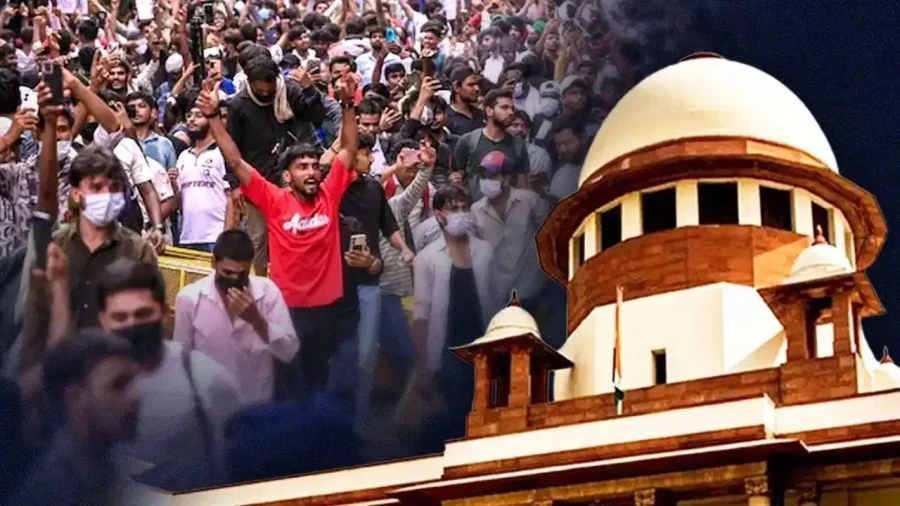
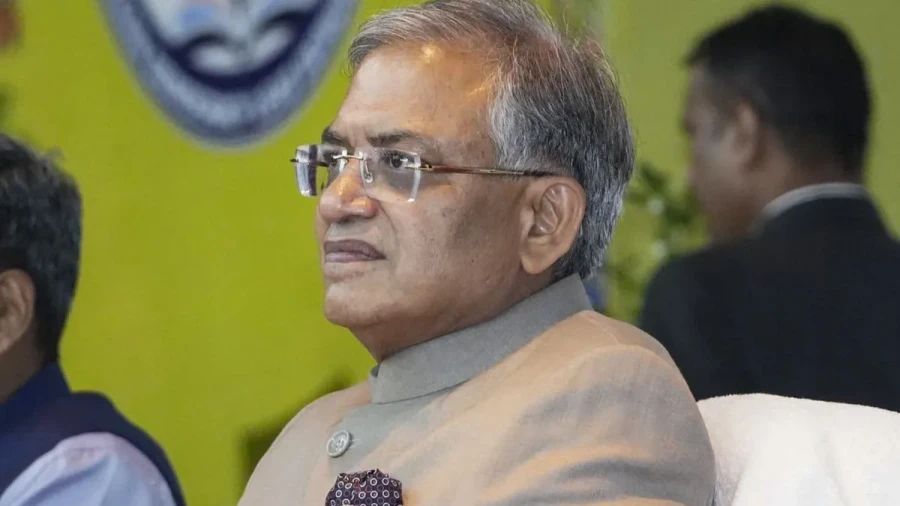
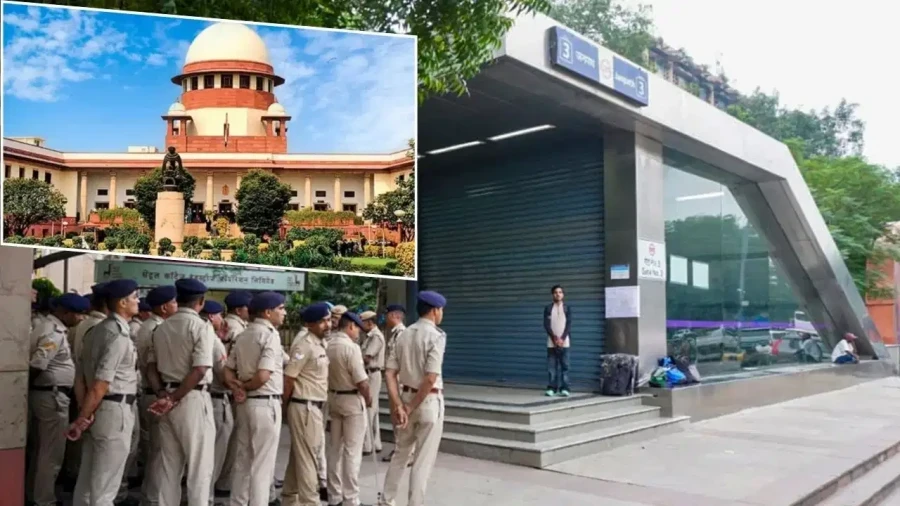
The Supreme Court of India has taken a significant step by scheduling a special hearing on Sunday, October 11, to address a contempt petition filed against Union Home Secretary Govind Mohan. The matter pertains to the restrictions imposed on Delhi Metro and Indian Railway services during the ongoing protests organized by the CJP in the national capital. The petitioner, Shailendra Mani Tripathi, has alleged that the authorities failed to comply with the specific directions issued by the apex court regarding the movement of public transport during such demonstrations.
The Special Bench and Legal Proceedings
A special bench comprising Justice Joymalya Bagchi and Justice V. Mohana has been constituted to hear the contempt petition. The urgency of the matter is reflected in the court's decision to convene on a Sunday, a day when the court usually remains closed. The petitioner has sought the initiation of contempt proceedings against the concerned officials for what is described as a deliberate disregard of judicial orders. In addition to the contempt plea, the same bench will also hear a habeas corpus petition filed by Senior Advocate Menaka Guruswamy. This separate petition challenges the detention of individuals during the protests in Delhi, further intensifying the legal scrutiny of the administration's actions.
Allegations of Violating the October 9 Order
The core of the contempt petition lies in the alleged violation of an order passed by the Supreme Court on October 9. In that previous hearing, the court had explicitly directed the Central Government to ensure that Metro and train services for people traveling to Delhi on October 10 shouldn't be completely halted due to the protests. While the court acknowledged that law enforcement agencies could take necessary steps to manage crowds and maintain law and order, it emphasized that ordinary citizens shouldn't face unnecessary hardships. The petitioner argues that the complete or partial shutdown of transit corridors directly contradicts this judicial mandate.
Impact on Public Transit and Citizen Rights
According to the application filed on Saturday, the petitioner claims that the restrictions on Delhi Metro and Indian Railway services on October 10 were excessive and shouldn't have been implemented in such a restrictive manner. The plea asserts that these actions have adversely affected the fundamental rights of citizens, particularly the right to freedom of movement. It's alleged that the Delhi Metro Rail Corporation, Delhi Police, and the Central Government intentionally disrupted services in key transit corridors. Plus, the petition highlights that several trains were cancelled and there was a significant lack of clear, timely information provided to passengers regarding traffic diversions and transit schedules.
Specific Instances at Metro Stations
To support the claims of non-compliance, the petitioner cited specific observations from a visit to two major metro stations. Shailendra Mani Tripathi stated that he visited the GTB Nagar and Vishwavidyalaya Metro stations at approximately 9:30 PM on Friday night. He reported that the entry gates of both stations were completely closed, while movement through the exit gates was being strictly controlled. The petition notes that the closure of these stations and their access points directly impacted the petitioner and caused widespread disruption to normal life and passenger movement across the National Capital Region.
Demands for Accountability and Restoration
The petitioner has made several specific prayers before the Supreme Court. Firstly, there is a demand for the immediate commencement of contempt proceedings against the Union Home Secretary and other responsible officials, while secondly, the plea seeks a court directive to immediately lift all restrictions on Metro and railway services and to implement a regular operating schedule accompanied by clear public notifications. Finally, the petitioner has requested the court to issue notices to the concerned officials, requiring them to appear in person and explain why action shouldn't be taken against them for the alleged contempt of the court's orders.