
- India,
- 08-Oct-2026 12:00 PM IST



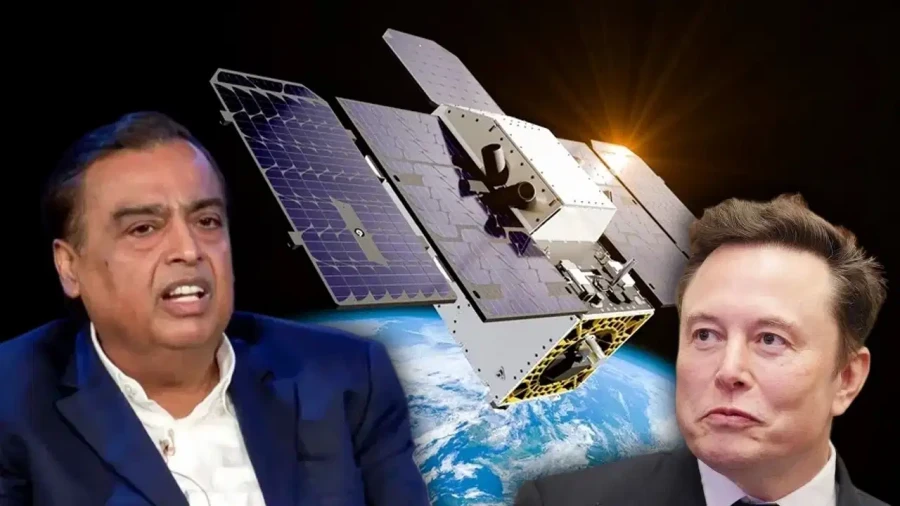
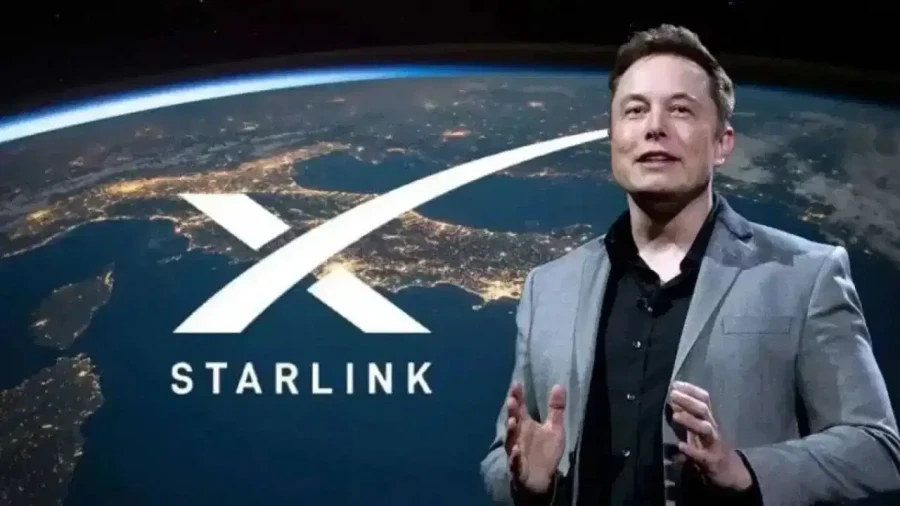
The Government of India has issued a strong rebuttal to the allegations made by SpaceX CEO Elon Musk regarding the delay in the launch of Starlink services in the country. The Ministry of Communications has officially dismissed Musk's claims that Starlink is being blocked by certain large business groups in India. The government characterized these allegations as baseless and rooted in a flawed perception of the Indian regulatory environment. According to the ministry, India maintains a fair and non-discriminatory authorization framework for all telecommunications services, including satellite communication.
Three Companies Holding GMPCS Licenses
The central government clarified that under the current regulatory system, three major companies have been granted licenses for Global Mobile Personal Communication by Satellite (GMPCS) services. These three entities are Starlink Satellite Communication, Jio Satellite Communication, and OneWeb India Communications. All three companies are officially recorded as GMPCS authorization holders in the Department of Telecommunications (DoT) database. This highlights that Starlink isn't being singled out or excluded from the licensing process, as it holds the same primary authorization as its competitors.
Security Assessment and Regulatory Equality
The government emphasized that the primary objective of granting these licenses is to promote satellite communication services across the nation, particularly in remote areas where traditional telecom networks are difficult to establish. Addressing Elon Musk's concerns, the ministry pointed out that security assessment is a critical component of the process, while even after obtaining a license, companies must comply with essential security conditions. This ensures that the services provided via satellite and the data of the users meet the established security standards of the country.
According to the government, all three licensees are currently undergoing security assessments and are at approximately the same regulatory stage. That's why, the government maintains that labeling the entire regulatory framework as discriminatory is factually incorrect. It was further clarified that once a licensee completes the security assessment, they can apply for the next step in the process, which is spectrum allocation. Obtaining a license isn't the final approval for starting satellite internet services in India; fulfilling security standards and the subsequent spectrum allocation process are mandatory requirements.
Elon Musk's Allegations on Social Media
The government's response comes a day after Elon Musk raised questions on the social media platform X regarding the delay of Starlink's launch in India. Musk had alleged that certain oligarchs were blocking Starlink in India to maintain their control over the market. He described this situation as being against the interests of Indian consumers. These comments triggered a formal clarification from the Indian authorities to set the record straight regarding the regulatory procedures.
Current Status and Hurdles for Starlink
While Starlink possesses the GMPCS license in India, the company still needs to complete the remaining regulatory formalities to begin commercial operations. The government maintains that progress toward launching services can only be made after the completion of the security assessment and the subsequent spectrum allocation, while the center's logic is clear: since Starlink, Jio, and OneWeb are all undergoing the same security checks, the process can't be viewed as an action targeting any single company. The regulatory path remains uniform for all players in the satellite communication sector.