
- India,
- 24-Sep-2026 11:03 AM IST



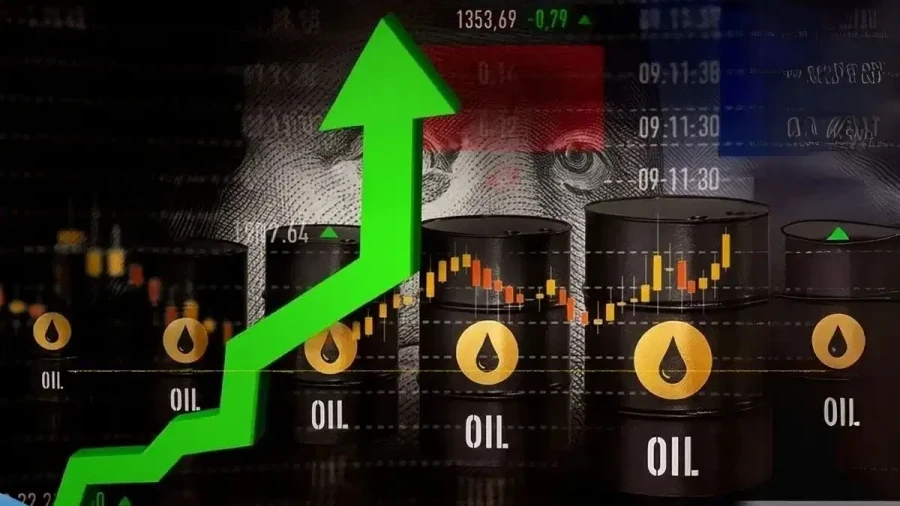
The ongoing conflict between the United States and Iran shows no signs of abating, causing significant ripples across the global energy market. Following a series of sharp exchanges between the leaders of both nations, international crude oil prices witnessed a sudden surge of 4 percent. S. President Donald Trump issued a stern warning to Iran regarding severe consequences, while Iranian President Masoud Pezeshkian countered by stating that his nation would never bow down to American pressure under any circumstances. The escalating rhetoric has directly impacted international oil rates, a trend that experts believe could persist in the coming days as the geopolitical situation remains fluid and unpredictable.
Tensions Flare at the United Nations General Assembly
The oil market reacted sharply to the defiant stance taken by Iranian President Masoud Pezeshkian during the United Nations General Assembly (UNGA). S. intimidation or pressure. 83 dollars to reach 103 dollars per barrel. Similarly, WTI crude also saw an upward trajectory, closing at 92 dollars per barrel. This price hike followed President Trump's aggressive rhetoric, where he warned of the potential total destruction of Iran if the conflict continues to escalate. The market is currently pricing in the risk of a major supply disruption in the Middle East, which is a primary driver for these elevated prices.
White House Denies Diesel Export Ban Rumors
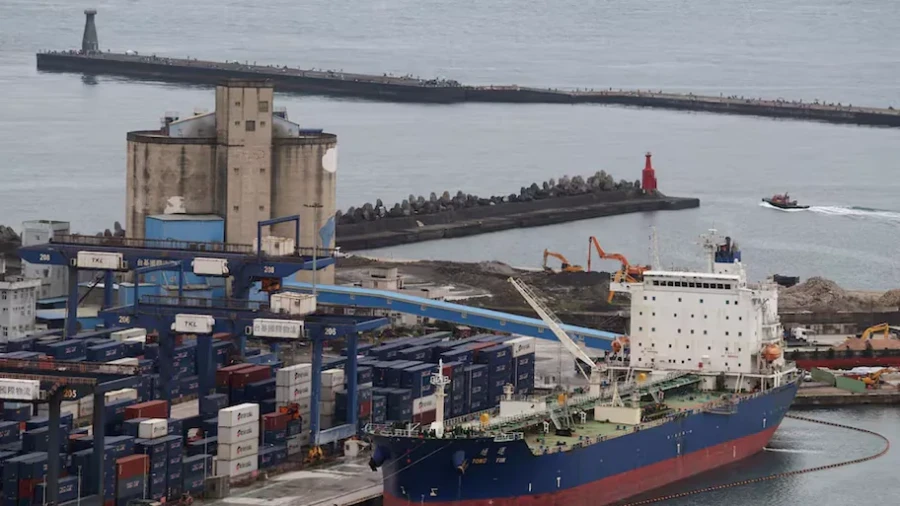
The increased tension between the two nations has sent shockwaves through the global trade environment. Recent reports had claimed that the Trump administration was planning to implement a 90 day ban on diesel exports to stabilize domestic supply. However, the White House has officially denied these reports, clarifying that no such ban is currently under consideration. Despite this denial, the market remains on edge as the Strait of Hormuz, the world's most critical oil transit point, remains at the center of the diplomatic and military standoff. Iranian security chief Mohsin Rezaei has stated that the strait won't be fully opened until Iran's specific conditions are met. Conversely, Iranian officials have suggested that if the United States reduces military pressure and lifts the current blockade, the route could be reopened within a week.
Supply Adjustments in the Middle East
In response to the ongoing fluctuations in the oil market, efforts are being made to increase supply from other parts of the Middle East. Saudi Arabia has successfully reopened its East-West pipeline, which had previously been shut down due to drone attacks. To ensure a steady flow of energy, Saudi Arabia has also offered oil to Asian buyers from locations situated outside the Strait of Hormuz, providing an alternative to the contested route. Meanwhile, Iraq has announced that its daily exports have exceeded 30 lakh barrels and it's planning to further increase exports through the Turkey route. 64 crore barrels. These developments highlight the complex interplay between geopolitical conflict and global energy logistics as nations scramble to secure their oil interests.