
- India,
- 23-Sep-2026 07:43 PM IST



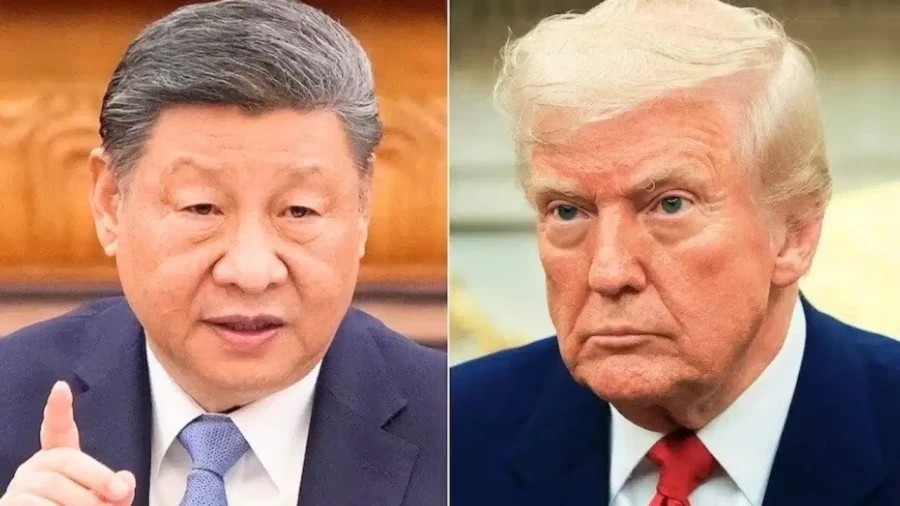
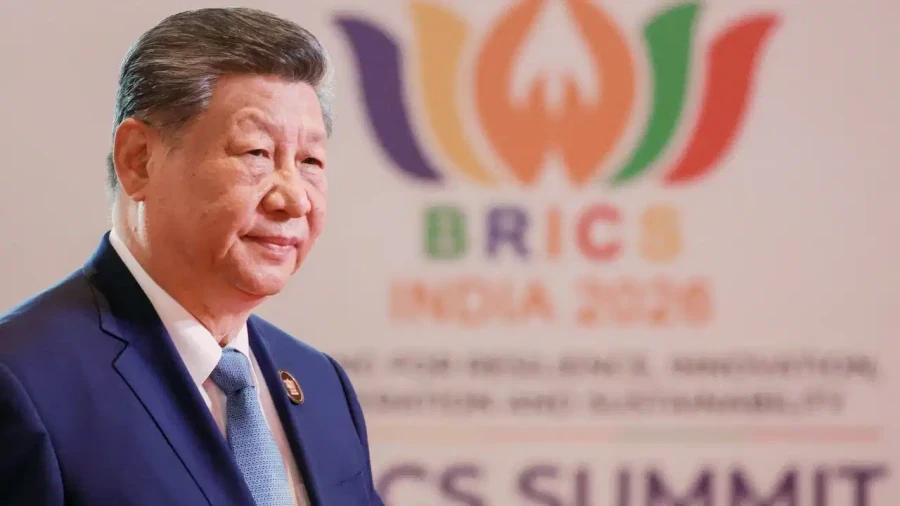
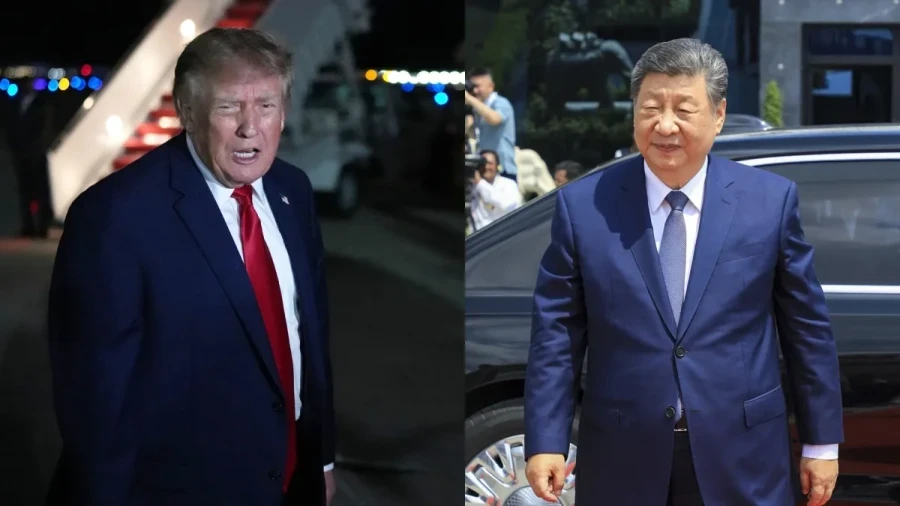
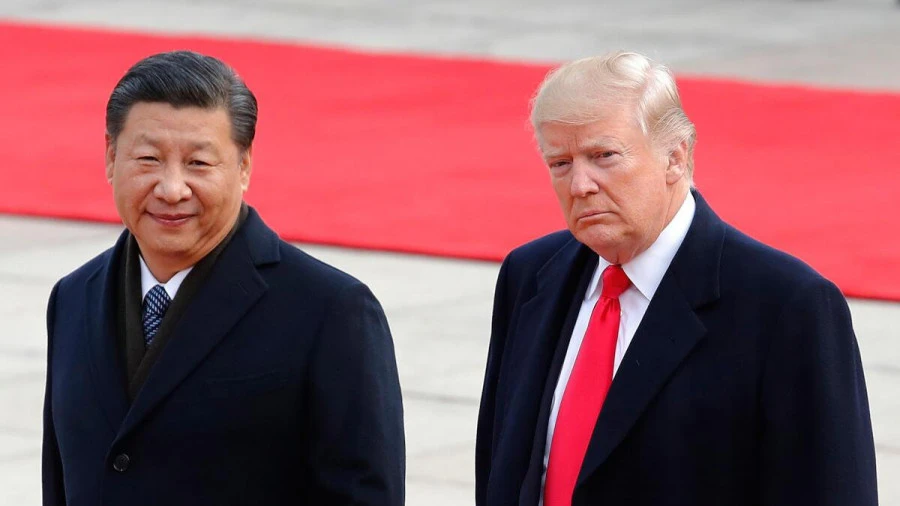
Chinese President Xi Jinping has arrived in the United States for a high-profile three-day visit scheduled from September 23 to September 25. The significance of this visit is underscored by the fact that US President Donald Trump is personally traveling to the airport to welcome the Chinese leader. This gesture of hospitality comes at a time when the relationship between the world's two largest economies is under intense scrutiny. While the ties between Washington and Beijing have historically been complex and often strained, this visit is being viewed through various lenses by experts and observers alike. The backdrop of this meeting includes a series of sharp exchanges and firm responses from China regarding trade policies and diplomatic friction.
The Strategic Importance of Rare Earth Minerals
One of the most critical aspects of the US-China relationship revolves around rare earth minerals. These consist of a group of 17 metallic elements that are essential for modern technology. Although their names may not be familiar to the general public, their application is found in almost every high-tech device used today. These elements are vital for the production of electric vehicle motors, smartphones, wind energy equipment, and advanced defense systems. The challenge for the United States isn't just finding these minerals in the ground, but the entire process of extracting, separating, purifying, and converting them into usable forms. This industrial process is both difficult and expensive, and China has established a dominant position across this entire supply chain.
For the United States, simply discovering new mines isn't a sufficient solution. The country must also secure the technology for processing and the supply of finished magnets and components. When one nation holds such a significant share of production and processing capacity, any change in their export policies can have a profound impact on global industries. Consequently, the issue of rare earth minerals has evolved from a simple trade matter into a core component of national security and strategic planning.
The Reality of Economic Interdependence
Despite the rhetoric of decoupling, the United States finds it nearly impossible to completely separate its economy from China, while while many products are manufactured within the US, American companies rely heavily on raw materials and components sourced from across the globe, with China being a primary supplier. Electronic parts, batteries, machinery, and various industrial materials are deeply integrated into the production lines of American firms. If these supply chains were to be suddenly disrupted, the operations of numerous factories would slow down Importantly. Companies would be forced to find alternative suppliers, which often leads to increased costs and delays in bringing products to market.
The process of building alternative supply chains isn't an overnight task. It requires years of investment to establish new mines, refineries, and manufacturing plants. Also, there is a need for a highly skilled workforce and specialized technology. Because of these factors, the US is currently in a position where it must manage its dependence on China while simultaneously trying to build domestic capacity and find other international partners. This transition is a long-term endeavor that requires consistent investment and policy stability.
The Role of Low-Cost Manufacturing and Consumer Markets
China's ability to produce goods on a massive scale is another pillar of its importance to the US. The country possesses a comprehensive supply chain that spans from raw materials to finished products, allowing for lower production costs. For many American companies, purchasing parts or finished goods from China is often more cost-effective than domestic production. These lower costs are frequently passed on to American consumers, helping to keep the prices of electronics, household goods, and other products affordable. Any significant increase in tariffs or trade barriers can lead to higher costs for companies, which eventually impacts the wallets of everyday citizens.
However, the pursuit of low prices is balanced against the risks of over-reliance. US policymakers are increasingly concerned that depending too heavily on a single nation for essential goods creates a strategic vulnerability, while So, the current approach involves finding a balance between the benefits of cheap imports and the necessity of a secure and diversified supply chain. For American corporations, China isn't just a factory; it's also one of the world's largest consumer markets. Many US firms are deeply involved in selling products, forming partnerships, or manufacturing within China to reach its vast population. Similarly, Chinese companies view the US as a major market and a destination for investment. These business ties involve complex layers of technology transfer, investment flows, and employment.
Technology, National Security, and the Path Forward
The competition between the two nations has expanded beyond traditional trade into the realms of high technology. Issues such as semiconductors, artificial intelligence, and advanced manufacturing are now at the forefront of the bilateral agenda. The US has implemented export controls on certain high-tech components and chip-making equipment, citing national security concerns. In response, China has the potential to restrict the export of certain minerals and technical processes. This dynamic demonstrates how supply chains can be used as benefit from in geopolitical negotiations. During high-level talks, such as those expected during Xi Jinping's visit, the focus often shifts to export regulations and the establishment of reliable supply routes.