
- India,
- 23-Sep-2026 01:36 PM IST



The geopolitical landscape is witnessing a significant shift as the United States implements a stringent ban on Iranian airlines starting today, September 23. This move marks a critical escalation in the seven-month-long tension between Washington and Tehran, pushing economic pressure to a new threshold, while the United States has issued a stern warning to the global community, targeting not just the airlines themselves but also any foreign entities that provide essential services to them. The decision is aimed at isolating Iran further and restricting its aerial connectivity across the globe.
The US Ultimatum and the Dollar System Threat
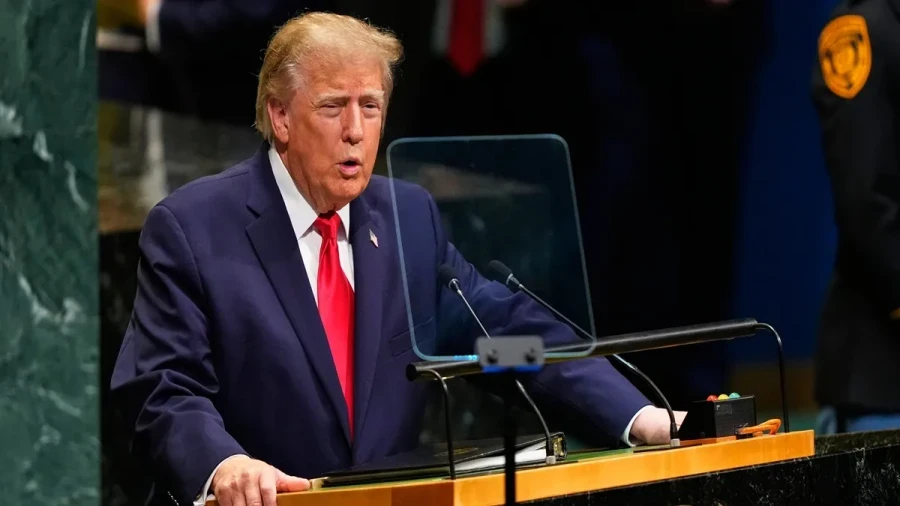
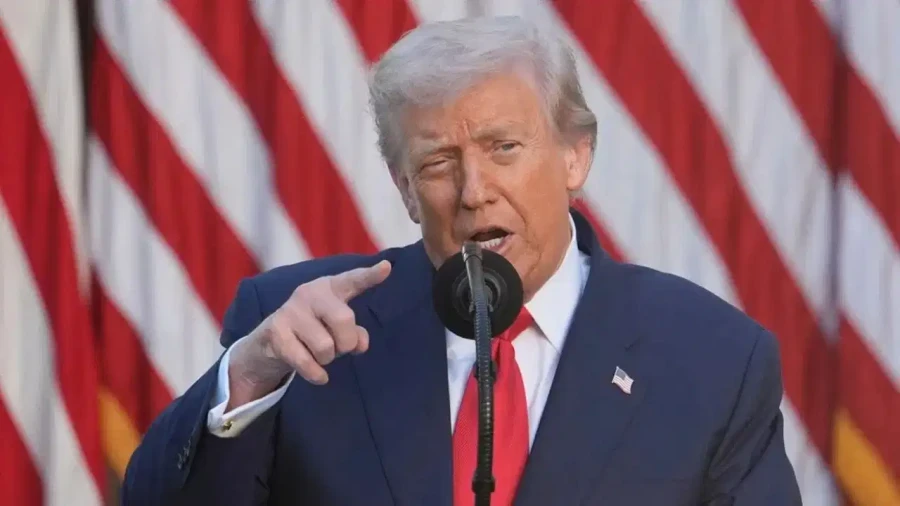
US Treasury Secretary Scott Bessent has been vocal about the administration's intent to isolate Iranian airlines from international flight networks. The directive, which takes effect on September 23, is designed to increase pressure on Tehran by cutting off its aerial connectivity. The warning extends to foreign companies involved in providing fuel, landing rights, or any other technical services to Iranian aircraft. The most potent threat issued by the US is the potential exclusion of non-compliant nations and companies from the international dollar system, while this move could have devastating economic consequences for any participating entity, as being cut off from the dollar-based financial system would effectively paralyze their international trade capabilities.
Global Response and Compliance
The impact of the US decision is already becoming visible in several regions. Reports indicate that some countries have already begun taking practical steps to halt Iranian airline operations. Iraq has decided to stop Iranian flights at Baghdad Airport starting September 23. Similarly, Oman has already prohibited the operations of the Iranian carrier Mahan Air within its territory. Georgia has also joined the list of countries taking action by banning Iranian aircraft from entering its airspace. Plus, Mahan Air has announced that it has suspended its flight services to Turkey following a request from the Turkish government, while these developments suggest that the US pressure is successfully creating a ripple effect across the Middle East and neighboring regions.
The Stance of China and Russia
While several nations are complying with the US directive, China and Russia have shown no signs of accepting these sanctions. China has explicitly stated that it won't implement the unilateral US sanctions on Iranian airlines, labeling the move as illegal, while this defiance highlights the growing divide between the Western bloc and the Eurasian powers regarding international policy and sanctions. Pakistan and Turkey also find themselves in a complex situation where their positions aren't entirely uniform, reflecting the difficult balancing act many nations must perform in the face of US-led economic measures.
India's Dilemma and Passenger Impact
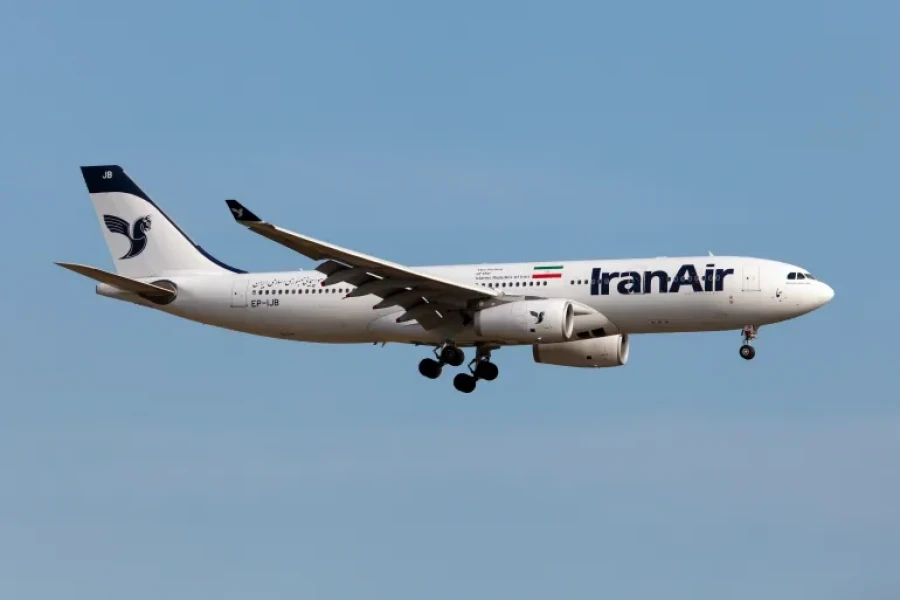
For India, the decision is particularly challenging. On one hand, India maintains strong economic and strategic ties with the United States, while on the other, it has long-standing trade and strategic relations with Iran. Currently, Mahan Air and Iran Air operate flights between India and Tehran. According to reports, the number of passengers traveling from India to Iran is projected to reach 1,69,000 by March 2026. This averages out to more than 5000 passengers daily, although this figure includes those using connecting flights and not just those traveling directly to Iran. The Indian government has not yet issued an official comment on the matter, leaving the future of these flight operations in a state of uncertainty. The decision India takes will be a significant indicator of its strategic autonomy and its ability to balance competing international interests.