
- India,
- 22-Sep-2026 08:00 PM IST



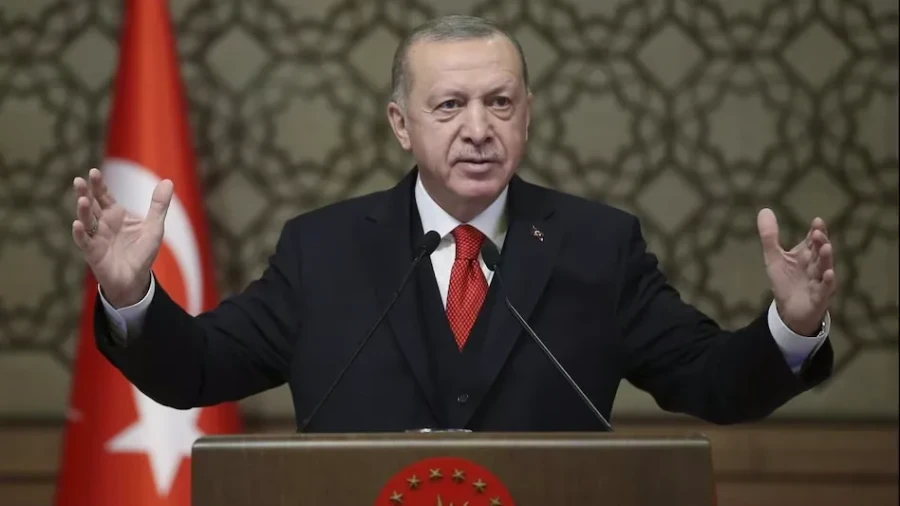
Turkish President Recep Tayyip Erdogan has issued a powerful and significant appeal to the international community, demanding a fundamental transformation of the United Nations. His primary focus is the abolition of the veto power currently held by the five permanent members of the United Nations Security Council, while erdogan argues that the existing global governance structure is a relic of the past and no longer serves the needs or the realities of the modern world. According to the Turkish leader, the system, which was established in the aftermath of the Second World War, is outdated and requires a comprehensive overhaul to ensure it can effectively address the challenges of the 21st century.
The Critique of the Veto Power System
President Erdogan's primary contention lies with the disproportionate power wielded by the five permanent members of the UN Security Council. He points out that whenever a major crisis erupts anywhere in the world, the eyes of the international community instinctively turn toward the United Nations for a resolution and leadership. However, more often than not, the Security Council finds itself in a state of paralysis, unable to reach a decisive conclusion or take action on critical proposals. Erdogan identifies the veto power as the primary culprit behind this institutional deadlock. This unique privilege allows any one of the five permanent members to block a resolution, even if that resolution has the support of the vast majority of the international community. Erdogan believes that the fate of the world and the resolution of major global problems shouldn't depend on the whims or the will of just a few countries.
Insights from the Bloomberg Article
President Erdogan articulated his detailed stance on this issue in an article published in Bloomberg, while in his writing, he noted that the world has witnessed numerous major tragedies and crises over the past few years. These events, he argues, serve as clear evidence that the solutions to global problems can't remain dependent on decisions made solely in the capital cities of a handful of nations. He emphasized that the decision-making mechanism of the United Nations must be updated to align with the current global landscape. Erdogan stated that no single country should possess the authority to block a decision that reflects the will of the majority of the world's nations. He views the abolition of veto power as the first and most crucial step toward meaningful UN reform. His vision is for a United Nations system that's more effective, equitable, and accountable to all its members.
Balancing Power and Building Coalitions
Beyond just criticizing the veto, Erdogan is advocating for a better balance of power between the UN Security Council and the UN General Assembly. He has proposed the idea of forming a large coalition of nations within the General Assembly to work toward this goal. His objective is to bring together various countries to advocate for a system where no single nation has the permanent power to override the collective decisions of the majority. Erdogan's emphasis is on ensuring that the Security Council provides greater representation to different countries from across the globe, making the decision-making process more democratic and reflective of the modern era. He believes that the current concentration of power is a barrier to global peace and justice.
A Growing Debate on UN Reform
The demand for reform in the UN Security Council isn't entirely new, but Erdogan's recent statements have intensified the debate. Earlier this year, German Foreign Minister Johann Wadephul also voiced criticisms regarding the difficulties in decision-making within the Security Council caused by the veto system. The recurring nature of these criticisms from various international leaders suggests a growing consensus that the status quo is increasingly untenable. However, experts acknowledge that abolishing or even modifying the veto power will be an immense challenge, as it would require significant changes to the existing UN Charter and the consent of the very members who currently hold that power, while despite the difficulties, Erdogan's call has reignited a global conversation about the necessity of making the United Nations a more representative and functional body for all of humanity.