
- India,
- 10-Oct-2026 05:43 PM IST



India has once again taken a firm stand on the international stage, delivering a stinging response to Pakistan at the United Nations. During the proceedings, India categorically stated that the entire Union Territory of Jammu and Kashmir is, and will always remain, an integral and inalienable part of India. This statement came as a direct rebuttal to Pakistan's attempts to spread misinformation and misleading narratives regarding the region. Indian representatives at the UN utilized the platform to expose the reality of human rights abuses in Pakistan-occupied Kashmir (PoK) and called for global attention to the plight of the people living under Pakistani administration.
Strong Rebuttal at the UN General Assembly
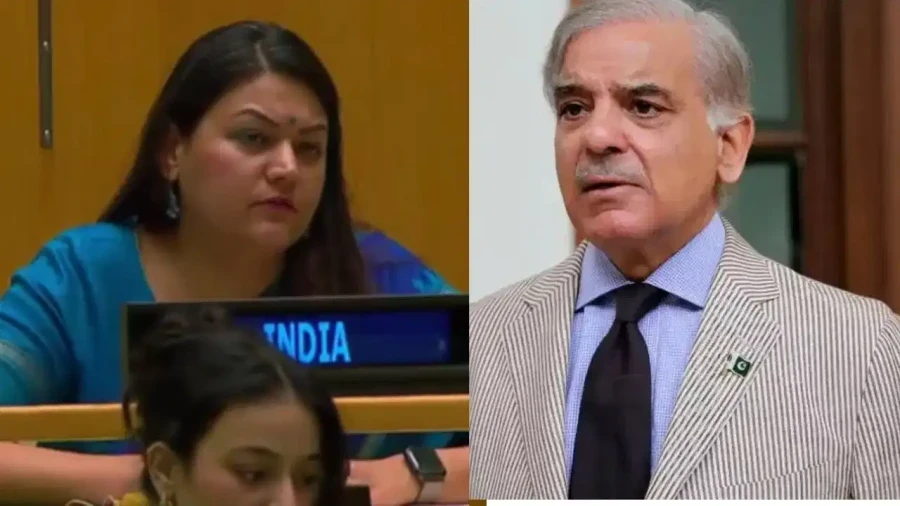
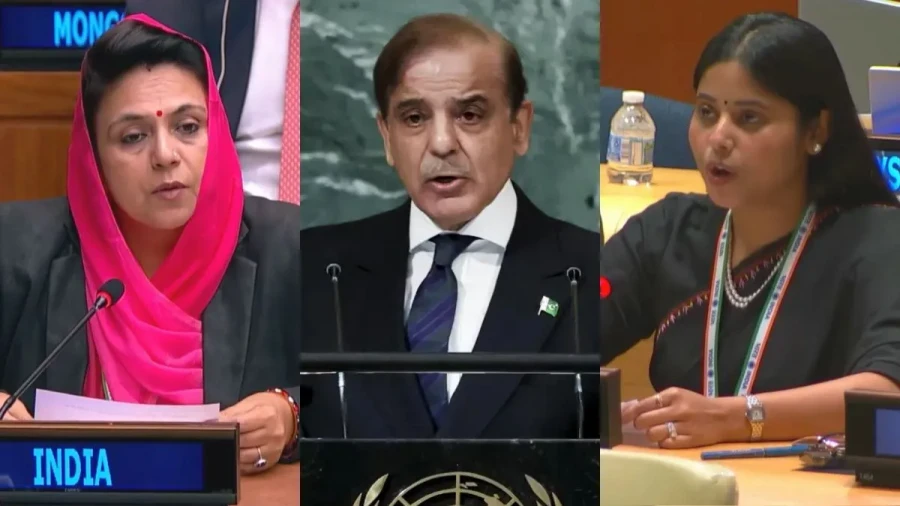
The confrontation took place on Friday, 9 October, during a discussion on the theme of 'decolonization' at the Fourth Committee of the United Nations General Assembly in New York. Representing India, Member of Parliament Mahima Kumari Mewar addressed the assembly to counter the statements made by the Pakistani delegation. She expressed deep regret that Pakistan continues to misuse the prestigious forum of the United Nations to peddle lies and baseless allegations concerning Jammu and Kashmir. The official X account of India at the UN confirmed that Mewar's intervention was a necessary response to the provocative and factually incorrect remarks made by the Pakistani representative earlier in the session.
Highlighting Human Rights Violations in PoK
A significant portion of India's address was dedicated to the deteriorating human rights situation in the territories currently under the illegal occupation of Pakistan. Mahima Kumari Mewar demanded that Pakistan immediately cease its systematic and persistent violations of human rights in these areas. She pointed out that the local population in PoK has been actively protesting against the oppressive rule of the Pakistani military, the suppression of their fundamental rights, and the illegal exploitation of their natural resources. The Indian representative highlighted a grim reality where, over the past few months, Pakistani security forces and their affiliates have reportedly killed dozens of innocent civilians who were merely demanding their basic freedoms and essential services.
Critique of Pakistan's Political and Security Record
India didn't mince words when criticizing Pakistan's internal political landscape and its history of governance. Mewar noted that Pakistan's record is marred by long periods of military dictatorship, sham elections, and the imprisonment of popularly elected leaders, while she further emphasized that Pakistan has a well-documented history of fostering religious radicalism and using terrorism as an instrument of state policy. Given such a track record, India argued that Pakistan has no moral authority to lecture other nations on democracy or human rights at a global forum like the United Nations. The core message remained clear: Jammu and Kashmir is an inseparable part of the Indian Union.
Accountability of UN Officials and Mission Experts
In a separate but equally important intervention at the Sixth Committee of the 81st session of the UN General Assembly, India raised the issue of accountability for criminal acts committed by UN officials and experts on missions. Member of Parliament Priya Saroj delivered the national statement, emphasizing India's 'zero tolerance' policy toward any form of criminal conduct or misconduct by those serving under the UN banner. She stressed the need for a solid mechanism to ensure that such individuals are held accountable for their actions, thereby maintaining the integrity and credibility of the United Nations. India called for enhanced cooperation between the UN and its member states to facilitate effective investigations and provide justice to victims and witnesses.
Review of Investigation Referrals and Legal Cooperation
Priya Saroj referenced the reports A/81/207 and A/81/284, submitted under General Assembly Resolution 80/160, which detail the efforts to strengthen accountability. She noted that between 1 July 2025 and 30 June 2026, the UN Office of Legal Affairs referred 93 cases involving 93 officials and mission experts to their respective home countries for investigation and potential prosecution. India pointed out that the success of this system depends on the timely action taken by member states once a referral is made. Saroj urged all nations to conduct swift investigations and keep the United Nations informed of the progress and outcomes of these legal proceedings.
Strengthening Jurisdiction and Domestic Legal Frameworks
The Indian representative also called upon member states to consider how they can strengthen their legal jurisdiction to prosecute their citizens who commit serious crimes while serving as UN officials or experts abroad. This, she argued, must be done in accordance with national laws. Priya Saroj highlighted that while ensuring accountability, the rights of all individuals involved and the principles of due process must be respected, while she also emphasized the importance of preventive measures, such as training and awareness programs, alongside the protection of victims and witnesses. In this context, she mentioned India's domestic laws, including the Bharatiya Nyaya Sanhita (BNS), 2023, which contains provisions for crimes committed by Indian citizens outside the country, and the Extradition Act, 1962, which provides a legal framework for handing over individuals to other countries under specific circumstances. India also reaffirmed its commitment to the UN Secretary-General's Trust Fund to assist victims of sexual exploitation and abuse.