
- India,
- 10-Oct-2026 09:28 AM IST



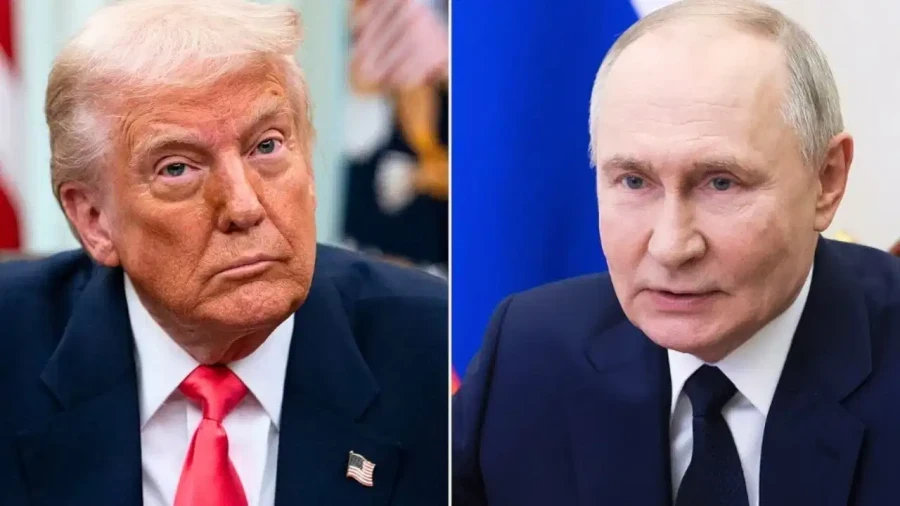
In a significant geopolitical development, the United States government has officially announced the lifting of restrictions on the sale of Russian diesel until April 7 next year. S. President Donald Trump and Russian President Vladimir Putin. The move marks a notable shift in the administration's approach toward energy trade with Moscow, despite the ongoing conflict in Eastern Europe, while however, the decision has met with immediate and fierce opposition from the Ukrainian leadership, specifically President Volodymyr Zelensky, who has expressed deep concerns over the potential consequences of this agreement.
Zelensky Slams the Agreement as a Weak Decision
President Volodymyr Zelensky didn't hold back in his criticism of the deal, describing it as a weak decision that could have dire implications for the security of Ukraine. According to Zelensky, allowing Russia to sell its petroleum products on the global market provides the Kremlin with the necessary financial resources to sustain its military operations against Ukraine. He argued that the additional funds generated from these diesel sales would directly contribute to Moscow's war chest, thereby prolonging the conflict, while zelensky further emphasized that providing such concessions to Putin wouldn't bring peace or any tangible benefits to the world, characterizing the move as a gift to the Russian leader.
The timing of the announcement has also been a point of contention. The deal was made public while a high-level Ukrainian delegation was present in the United States, attempting to negotiate a resolution to the war. Zelensky expressed frustration over this, suggesting that the negotiators were being used as a deception, while he believes that such agreements undermine the diplomatic efforts being made to find a just end to the hostilities and provide Russia with an unnecessary economic lifeline during a period of intense international pressure.
Technical Details of the Treasury Department's Announcement
S. Treasury Department released the official declaration shortly after the conclusion of the talks between President Trump and President Putin. The announcement specifically addresses the supply of diesel to both the American and global markets. According to the Treasury Department, all transactions that were previously prohibited under the Russian Harmful Foreign Activities Sanctions Regulations are now authorized if they pertain to the sale, delivery, unloading, or importation of diesel produced in the Russian Federation. This authorization includes imports into the United States and is set to remain in effect until 12:01 AM Eastern Daylight Time on April 7, 2027. This specific timeframe provides a clear window for the resumption of large-scale diesel trade between the two nations.
Trump Outlines the Diesel Supply Schedule
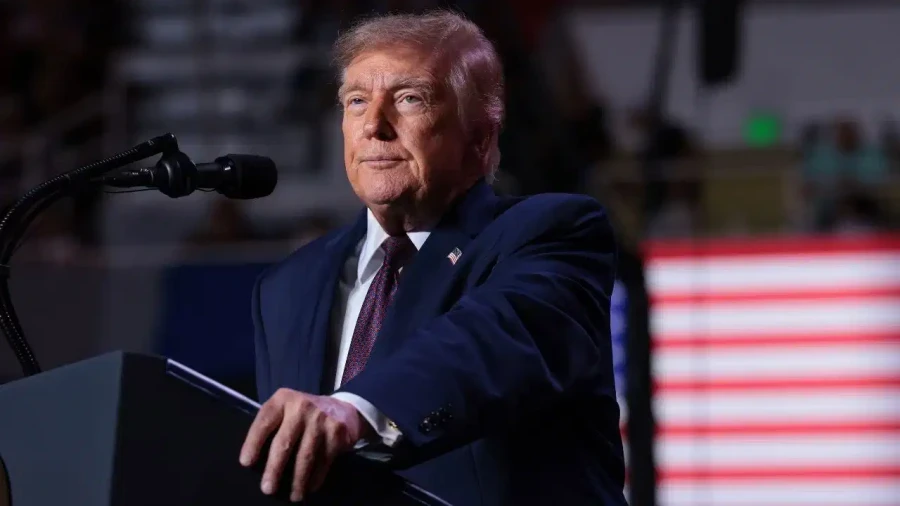
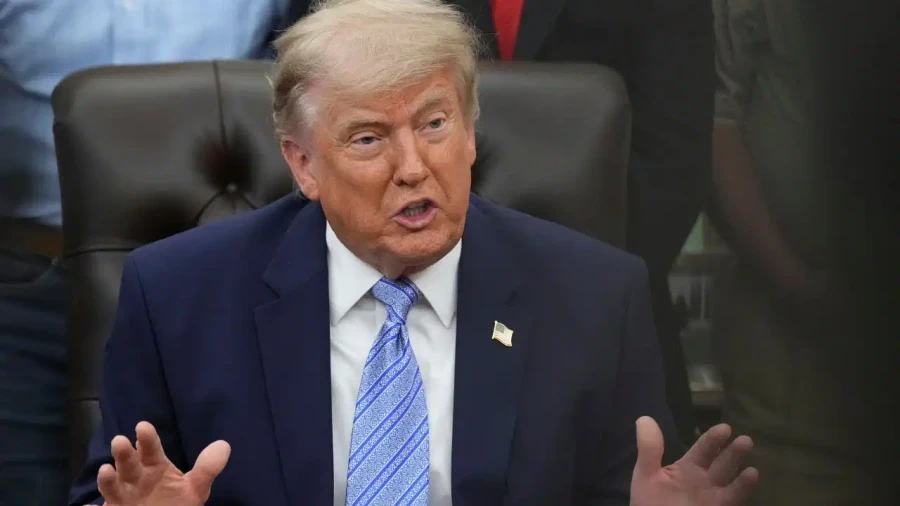
President Donald Trump took to his social media platform, Truth Social, to provide further details regarding the volume of diesel that Russia is expected to supply. According to the President, the agreement stipulates an immediate supply of more than 300,000 tons of diesel. This will be followed by a shipment of 500,000 tons in November, with another 1,000,000 tons expected shortly thereafter. Trump also noted that Russia could potentially supply an additional 3,000,000 tons of diesel, depending on the operational status and capacity of its refineries. This massive influx of fuel is intended to stabilize the market and address the growing energy needs that have been exacerbated by recent global events.
Global Context and Political Pressures
The decision to lift the ban comes at a time when global diesel prices have seen a sharp increase. Several factors have contributed to this surge in costs, while ukrainian military strikes on Russian oil refineries have Importantly disrupted Moscow's ability to export diesel, leading to a tightening of global supply. On top of that, attacks by Houthi militias on refineries in Saudi Arabia have further strained the international fuel market, reducing the overall availability of refined products. Within the United States, President Trump is facing substantial political pressure to lower fuel prices, especially with the upcoming midterm elections in November, while the administration appears to be prioritizing domestic economic stability and the reduction of energy costs for American consumers through this controversial agreement with Russia, even as it faces criticism from international allies like Ukraine.