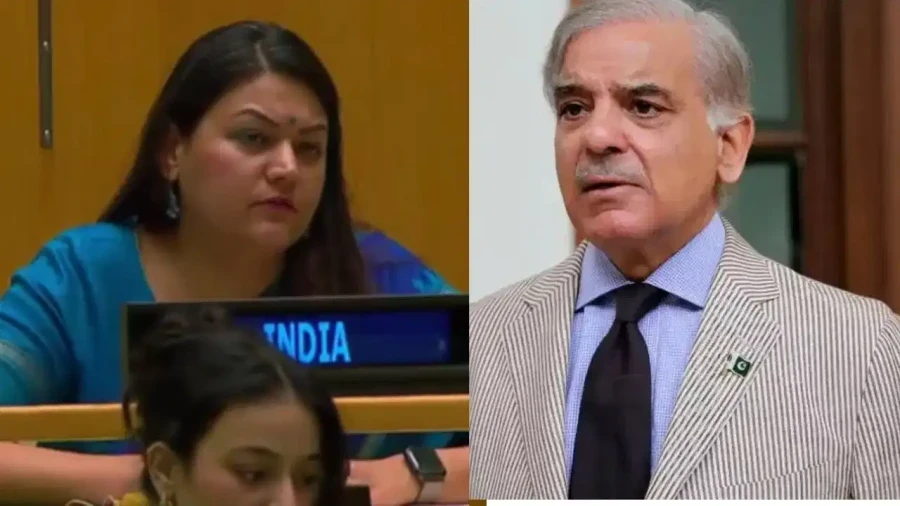

- India,
- 26-Sep-2026 01:06 PM IST



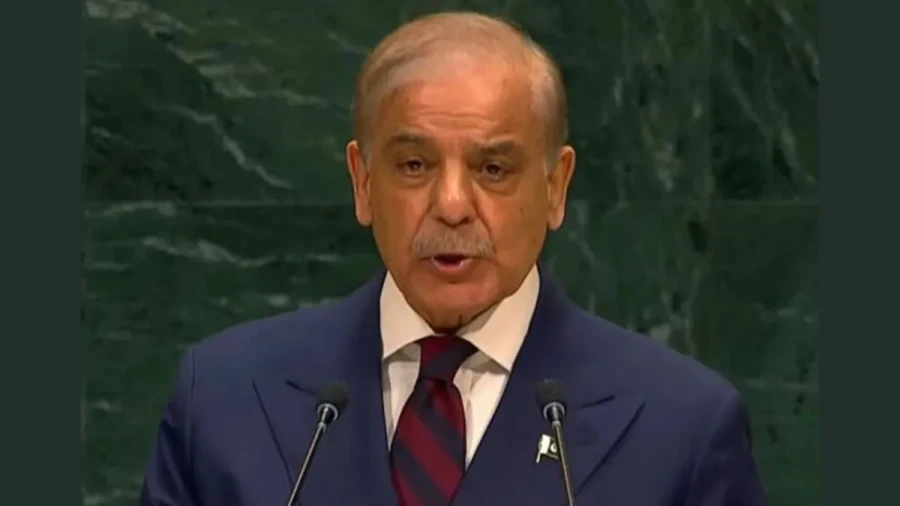
India has delivered a powerful and uncompromising response to Pakistan Prime Minister Shehbaz Sharif at the United Nations General Assembly. Representing India, First Secretary Petal Gahlot utilized the Right of Reply to dismantle Pakistan's narrative on terrorism, democracy, and minority rights. During her address, Gahlot specifically referred to the current administration in Islamabad as a Form 47 government, a term that carries significant political weight following the controversial 2024 general elections in Pakistan. This sharp critique highlights India's stance on the legitimacy and internal dynamics of the Pakistani leadership, suggesting that the current government doesn't truly represent the mandate of the people.
Understanding Form 47 and the Electoral Process
To comprehend why India used this specific terminology, it's essential to understand the technicalities of the Pakistani electoral system. Form 47 is an official document used during elections in Pakistan to consolidate provisional results. This document is prepared by the Returning Officer (RO) for each constituency. It serves as a summary that aggregates the total votes polled across all polling stations within a specific electoral area, while the form includes detailed information regarding the number of votes received by each candidate and the number of votes that were excluded or rejected during the counting process. Before Form 47 is finalized, the Returning Officer relies on data provided through Form 45 and Form 46 from individual polling stations. It's important to note that Form 47 doesn't include postal ballots. Following this stage, Form 48 is used to further the result process, and finally, Form 49 is issued for the official and final election results. While Form 47 is a standard part of the legal electoral framework, it became the center of a massive political storm in 2024.
Why Shehbaz Sharif's Administration is Labeled a Form 47 Government
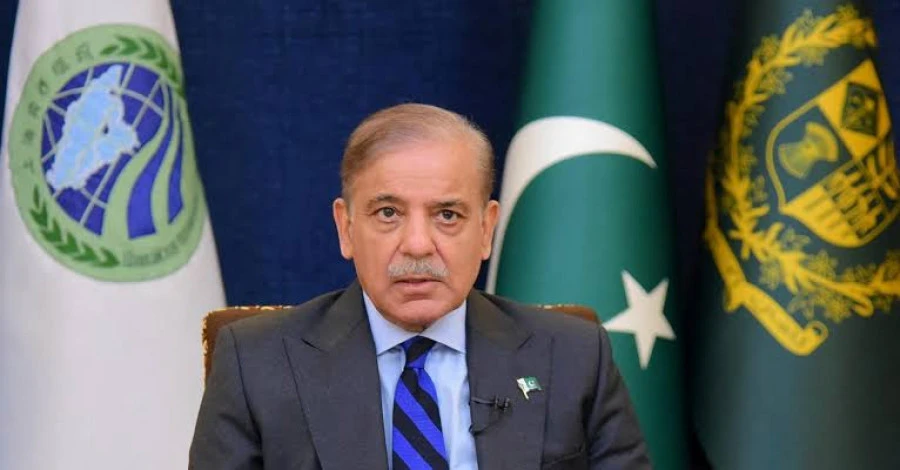
The label Form 47 government stems from the widespread allegations of electoral fraud during the general elections held on February 8, 2024. The Pakistan Tehreek-e-Insaf (PTI) party, led by former Prime Minister Imran Khan, alleged that the mandate of the people was stolen. PTI leaders claimed that there were massive discrepancies between the votes recorded in Form 45 at individual polling stations and the consolidated results presented in Form 47. They argued that while their candidates were winning according to Form 45, the results were manipulated in Form 47 to favor the coalition led by Shehbaz Sharif. By using this term at the UN, India pointed out that even within Pakistan, the government is viewed as one born out of administrative manipulation rather than a genuine democratic process. Petal Gahlot remarked that the people of Pakistan themselves refer to the current setup as a Form 47 government, reflecting the internal crisis of legitimacy facing the Sharif administration.
Statistical Overview of the 2024 Pakistan Elections
The scale of the 2024 elections in Pakistan was massive, yet the results remain under a cloud of suspicion. 86 crore registered voters across the country. 65 percent. To facilitate this exercise, more than 90,000 polling stations were established nationwide, and a workforce of over 10 lakh election employees was deployed. Despite these extensive arrangements, the transition from Form 45 to Form 47 became the focal point of allegations regarding the subversion of the democratic will.
India's Stance on Terrorism and the Military's Role
Beyond the electoral controversy, India launched a scathing attack on Pakistan's long-standing relationship with terrorism. Petal Gahlot reminded the global community of Pakistan's history of harboring international terrorists, specifically mentioning the 9/11 mastermind Osama bin Laden. She pointed out that Bin Laden was found living in Abbottabad, located in close proximity to Pakistan's premier military academy. This reference was intended to highlight the complicity of the Pakistani state and its military in providing a safe haven for global terror figures. India further characterized the Shehbaz Sharif government as a puppet of the military establishment, asserting that the real power in Pakistan resides with the army rather than the civilian leadership. Gahlot noted that Pakistan speaks of security during the day while engaging in and sponsoring terrorism under the cover of night.
Human Rights and the Plight of Minorities
The Indian delegation also brought the issue of religious minorities and human rights to the forefront. Gahlot criticized Pakistan's stringent blasphemy laws, which include provisions for the death penalty. She stated that these laws are frequently weaponized to intimidate, persecute, and silence minority communities within the country. India emphasized that a nation that fails to protect its own citizens and uses legal frameworks to oppress minorities has no moral standing to lecture others on human rights or democracy.
The Status of Jammu and Kashmir
Reiterating India's firm position, Petal Gahlot declared that the entire Union Territory of Jammu and Kashmir is an integral and inalienable part of India. She addressed the situation in Pakistan-occupied Jammu and Kashmir (PoJK), citing reports of violence, killings, and the denial of fundamental rights in areas like Rawalakot. India also defended its right to self-defense against cross-border terrorism, specifically mentioning Operation Sindhur. Gahlot issued a stern warning that any continued support for terrorism from Pakistan's side would lead to severe consequences, as India remains committed to protecting its sovereignty and its people from external threats.